


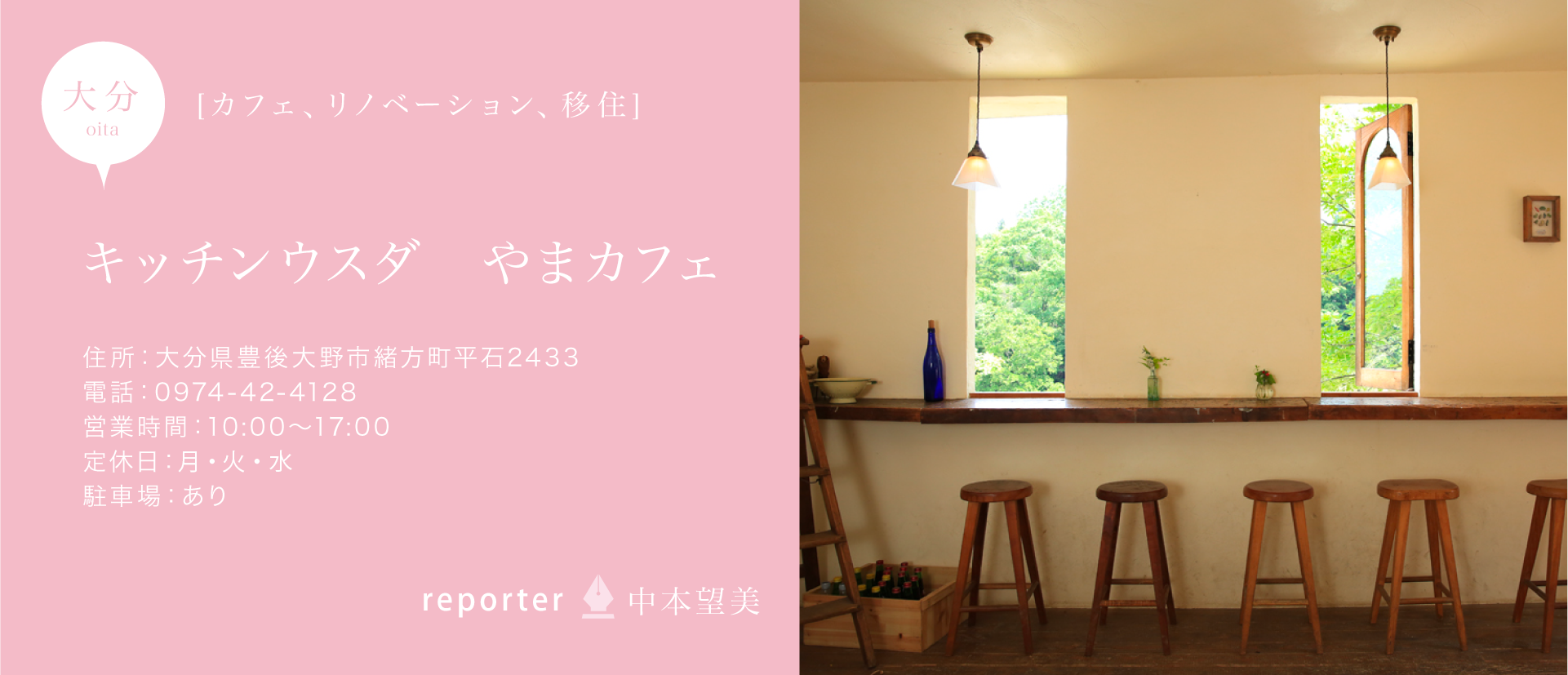

It has been more than 20 years since he moved here from Tokyo. The store is a pioneer of "country cafes" in Nakakyushu.
The basic concept is "delicious bread that is safe for the body and produced in this region,
With safe and delicious homemade natural yeast bread made with organic ingredients,
Café menus are offered along with a relaxing atmosphere.
Kitchen Usda Yama Cafe, a pioneer in rural living
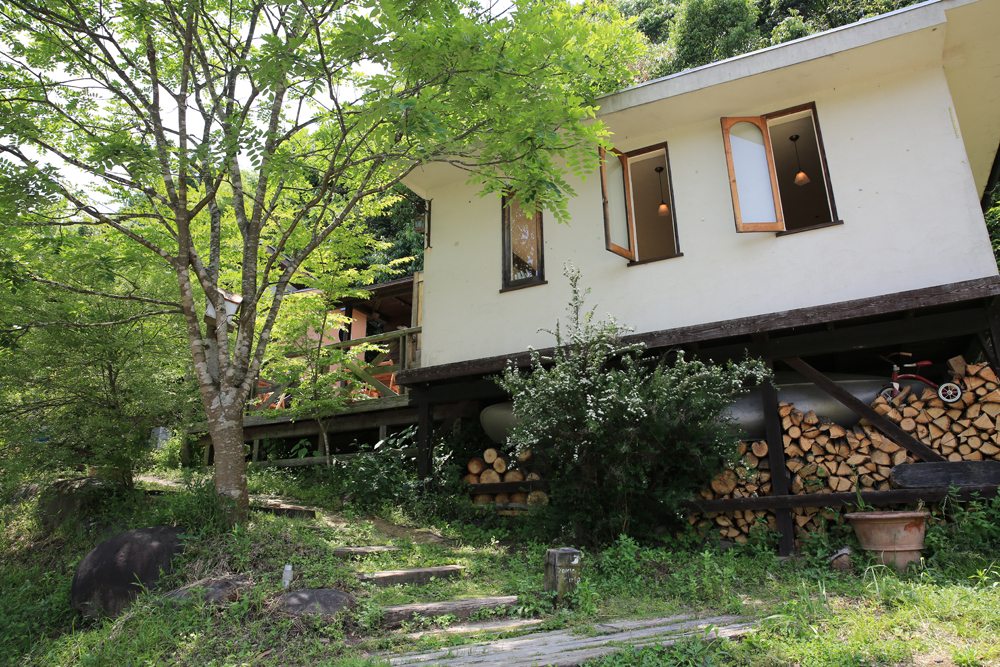
In recent years, many "countryside cafes" run by I-turners and U-turners have become a hot topic in various media in the central Kyushu area centering on Oita, Kumamoto, and northern Miyazaki prefectures. In this gourmet report, we will introduce "Kitchen Usuda Yama Cafe" run by Mr. and Mrs. Usuda, who are pioneers of "country cafes" in the Central Kyushu area.
Mr. and Mrs. Usuda, who originally worked as boulangerie (bread baker) and pastry chef at a well-known restaurant in Tokyo, moved to Ogata-cho, Bungo-Ono City, Oita Prefecture about 20 years ago. A few dozen minutes away from the city center by car, they found a favorite property in the mountains dotted with small farming villages that could best be described as "remote," and they painstakingly renovated it by hand!
The owner, Mr. Usuda, says, "I don't use such ingredients out of any particular commitment or obligation, but rather, I just collect ingredients that are close to the earth's environment, which is a matter of course. The owner, Mr. and Mrs. Usuda, says, "I don't use these ingredients out of a sense of commitment or obligation, but rather as a matter of course, I just collect ingredients that are closer to the earth's environment. The ecological beliefs of Mr. and Mrs. Usuda are deeply embedded in everything they do, and many people from all over Japan who share their lifestyle come to visit.
The latter half of the report includes an interview with Mr. and Mrs. Usuda, as well as an introduction to Kitchen Usuda's affiliate store "Kadopan" in Takeda City, about a 30-minute drive from this store.
Store Introduction - Handmade store in a rural setting
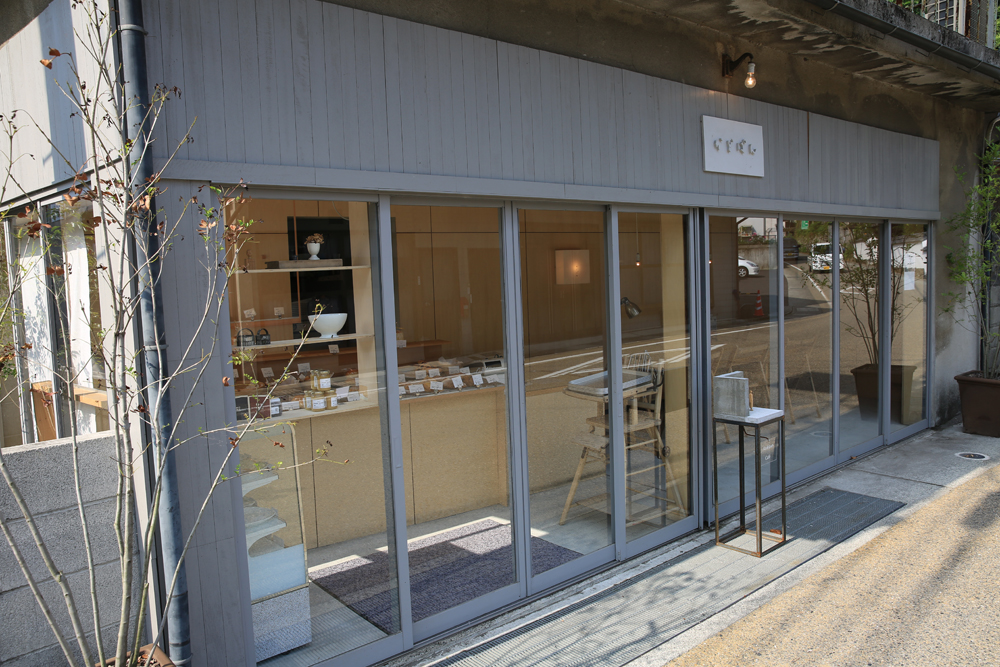
The exterior of the store is impressive with its gentle materiality. The building itself blends in well with the surrounding landscape, and if you listen closely, you can hear the whispers of birds and insects echoing in the quiet countryside, creating a very peaceful atmosphere.
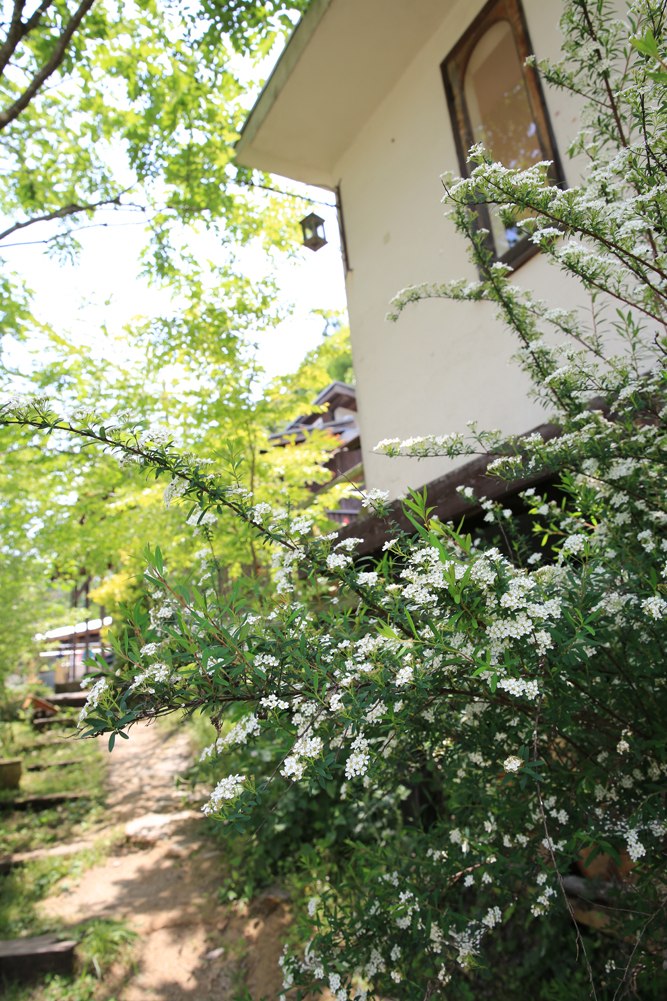
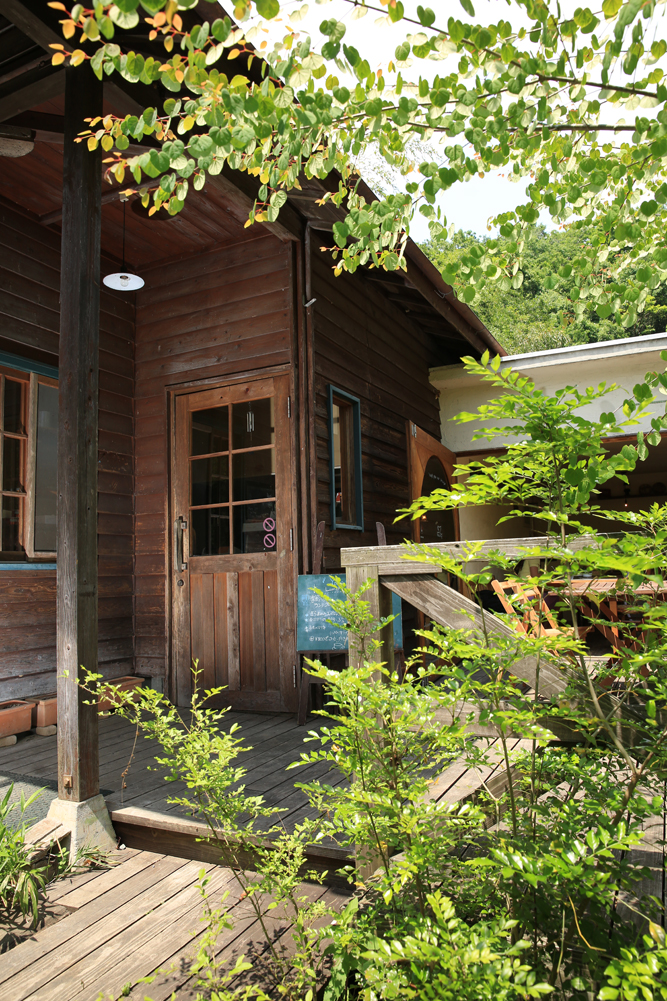
Ascending a pathway lined with fairytale-like trees, grasses, and flowers, visitors will find a wooden door to the property, a terrace with outside light, and a café space.
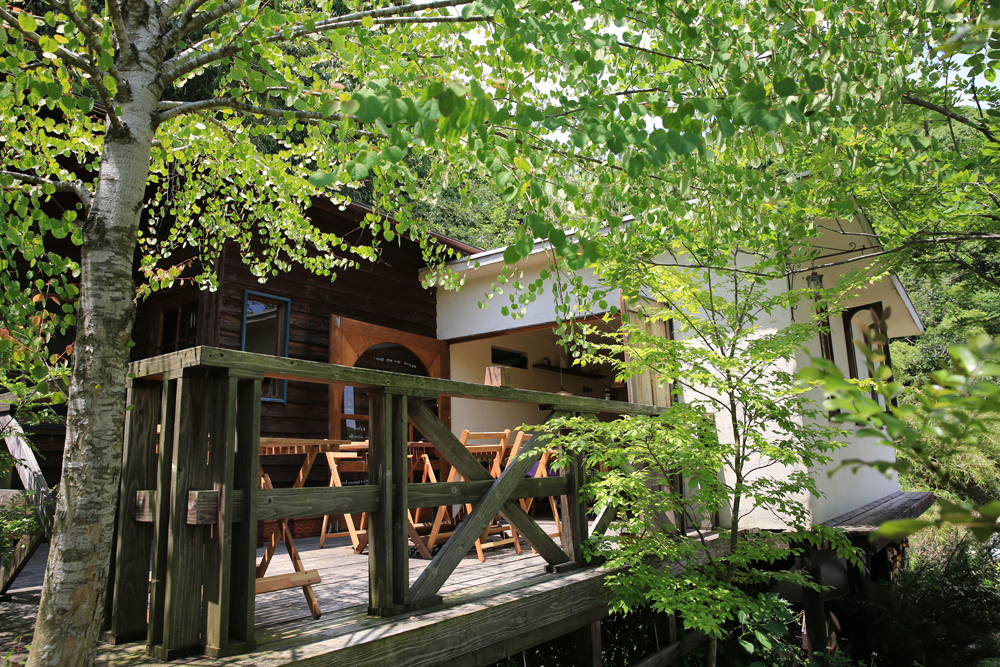
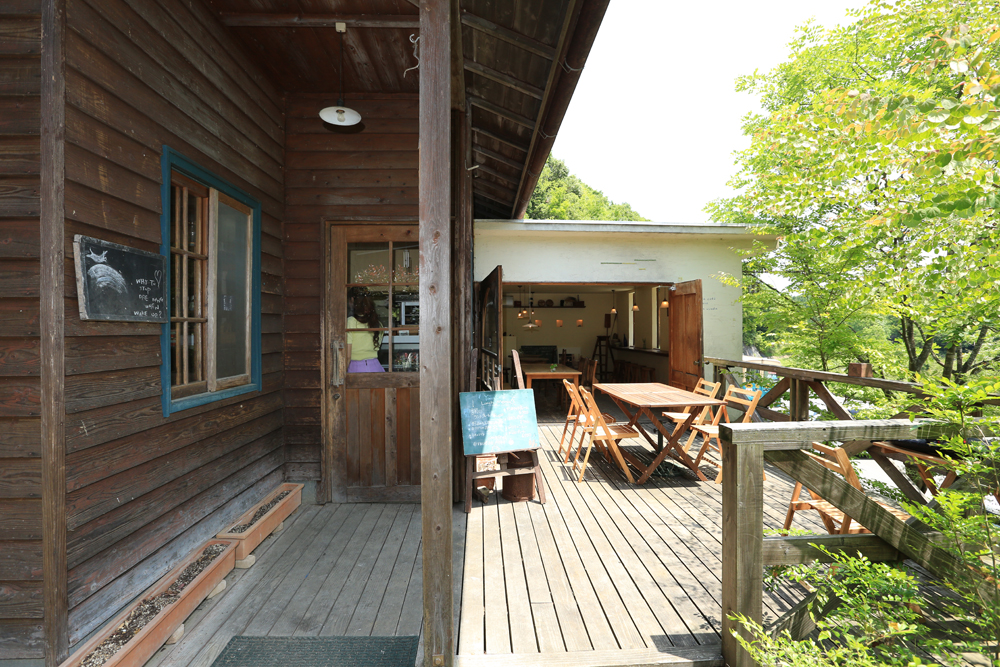
The left side of the image above is the bakery, and the right side is the café space. Incidentally, the renovation of the house, the design of the café, and the interior design were all done by the owner, Akira Usuda himself! It is surprising to hear that the house was close to ruins when he first moved here.
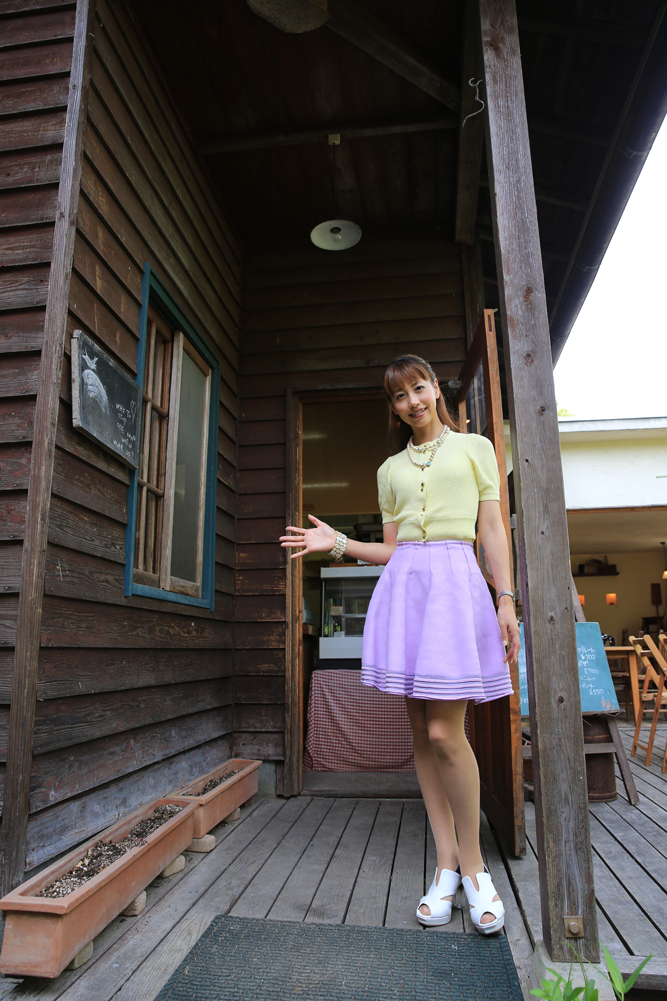
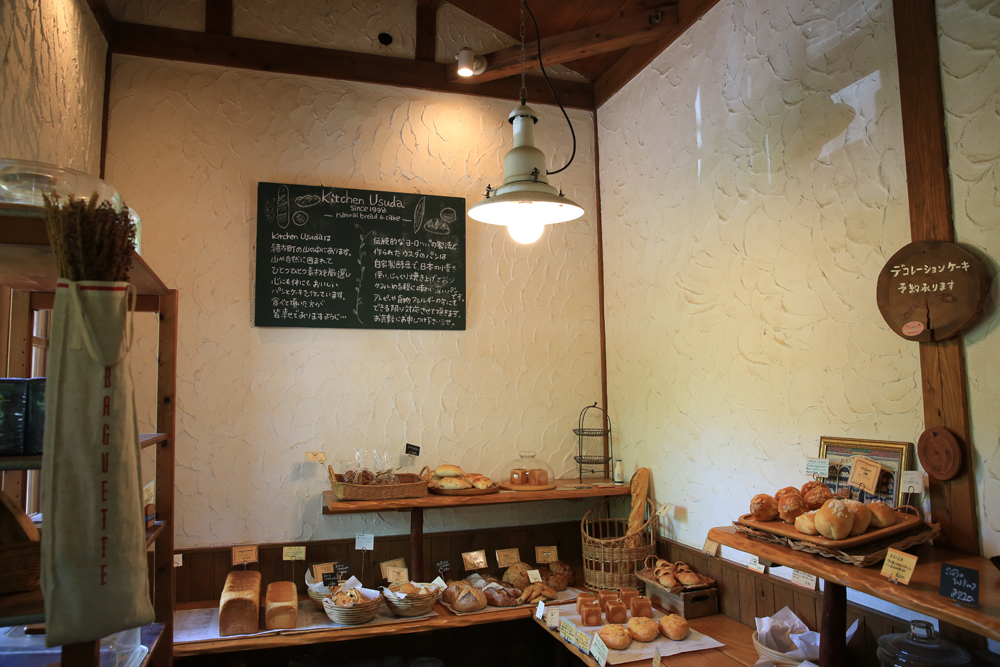
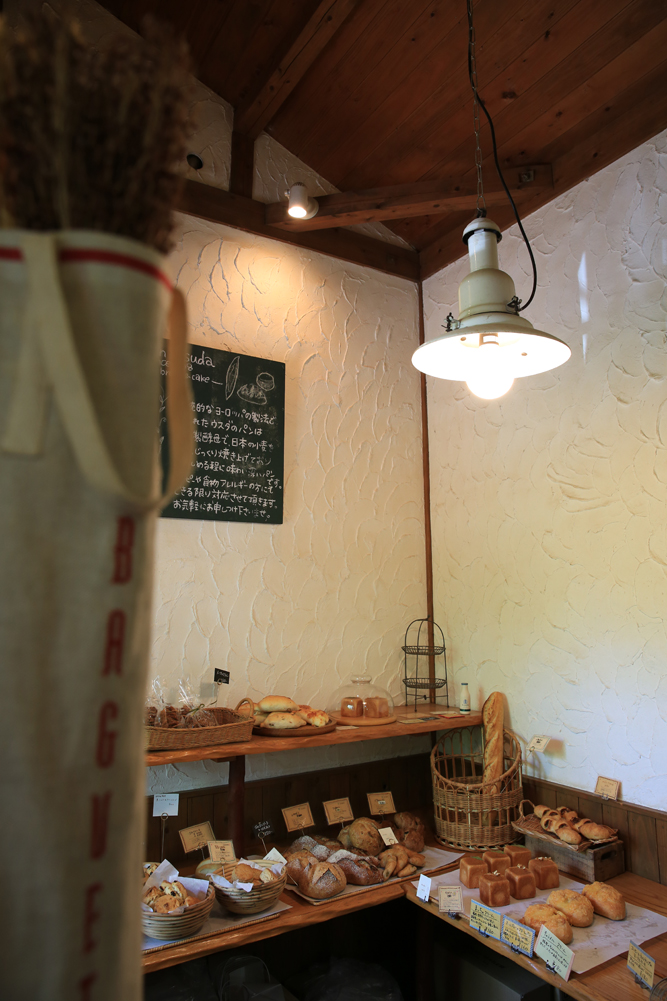
When you open the wooden door, you will smell the soft, dusty aroma of wheat. The bakery offers a wide variety of wholesome breads made with traditional European methods using carefully selected ingredients such as domestic wheat, homemade yeast, natural salt, non-homogenized milk, and cane sugar, and displayed in a cute way.
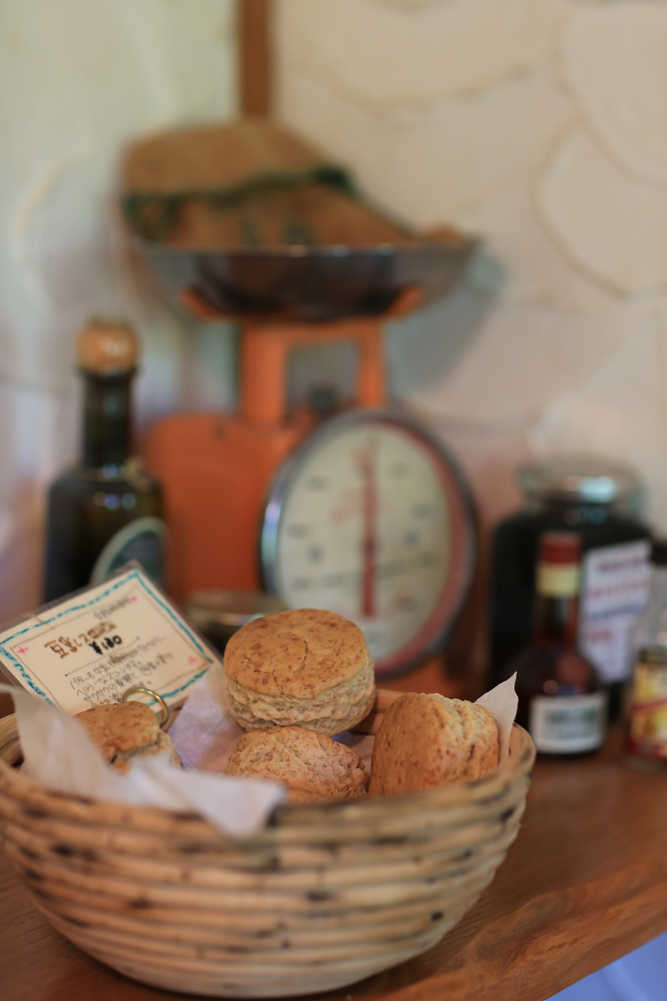
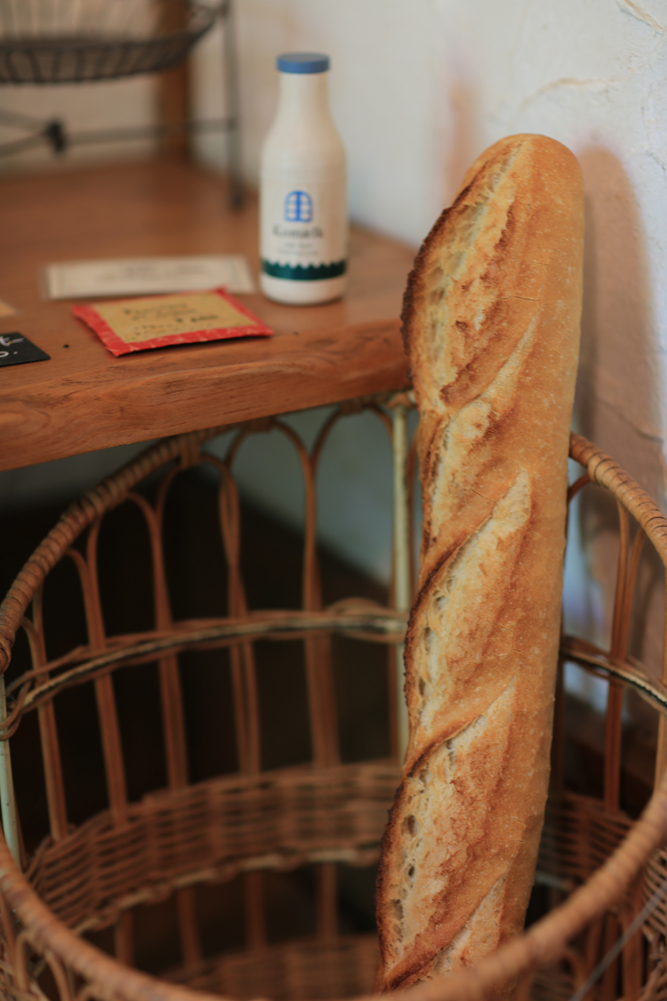
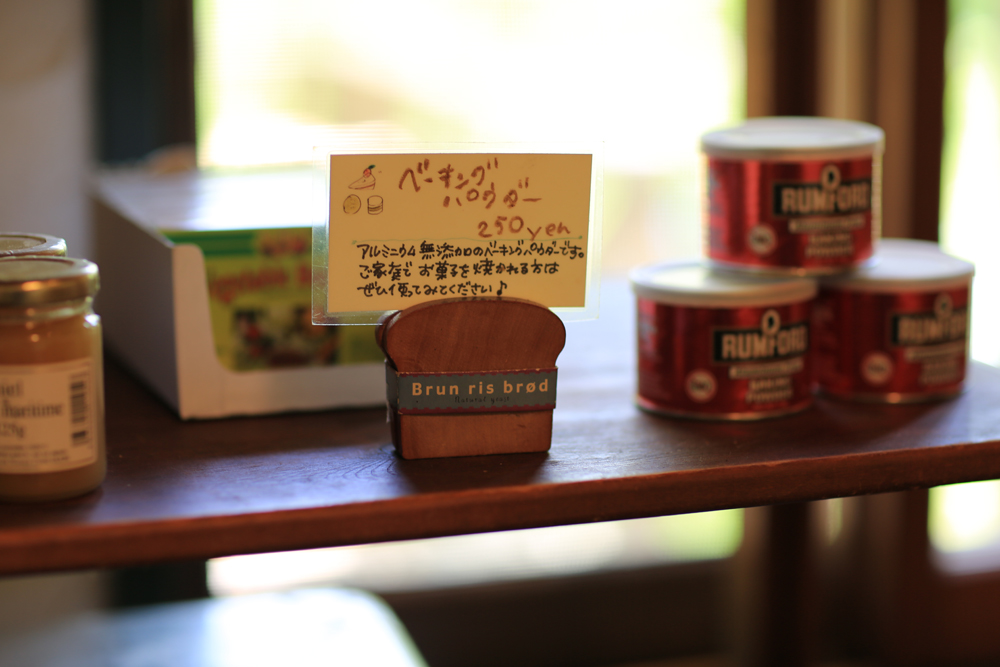
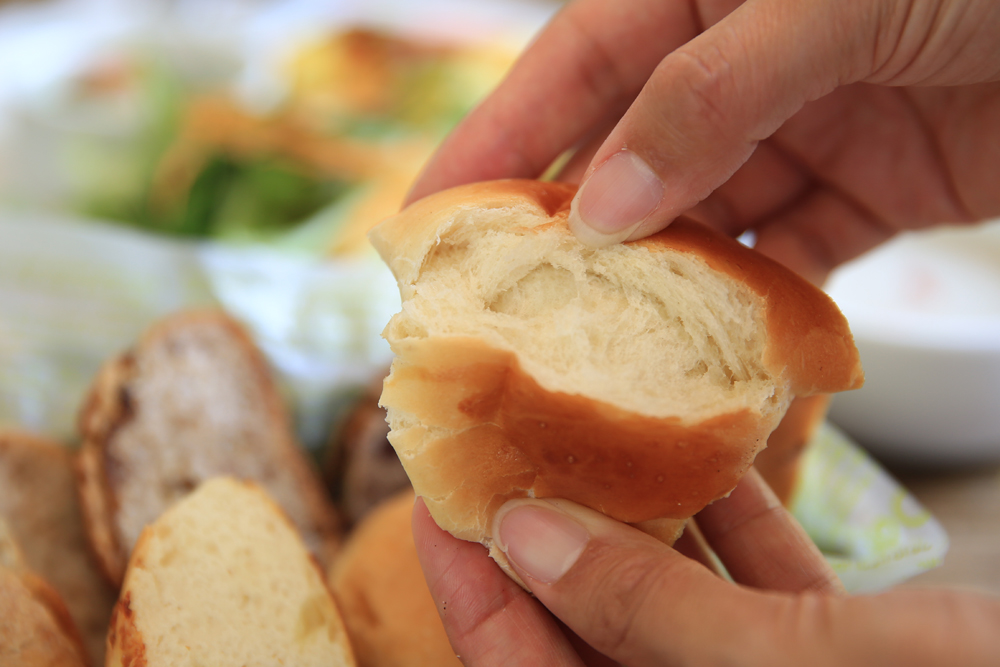
The authentic European-style breads in the store, made with ingredients close to nature, were created through trial and error, using ingredients nurtured by the nature of the region and drawing on my experience as a boulanger (baker) at a famous Tokyo bakery. It is something that can only be tasted here.
Bread recommendations☆.
Here are some of the breads recommended on the day of the interview☆.
*Prices do not include tax.
Sunflower 360 yen
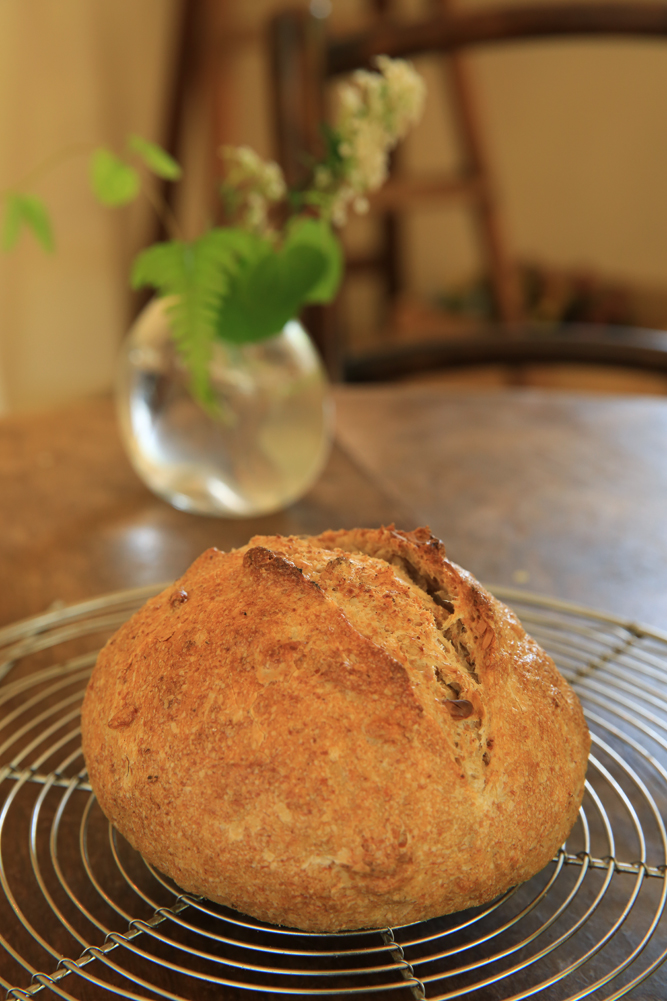
This bread is made with organic sunflower seeds and whole wheat flour, giving it a rich flour aroma. It has a characteristic ”puchi-puchi” texture of sunflower seeds.
Country bread 320 yen
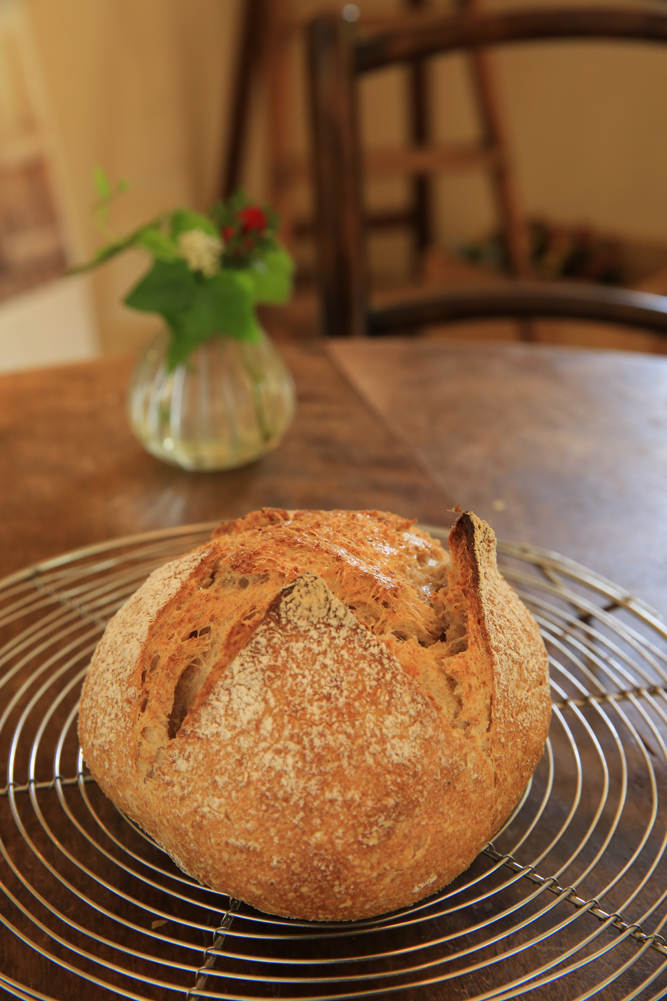
Baked only with domestic wheat, tide, and yeast, this rustic style allows you to directly taste the flavor of the flour. Recommended to be sliced and served with cheese, olive oil, etc., or in sandwiches.
Mirukurumi 160 yen
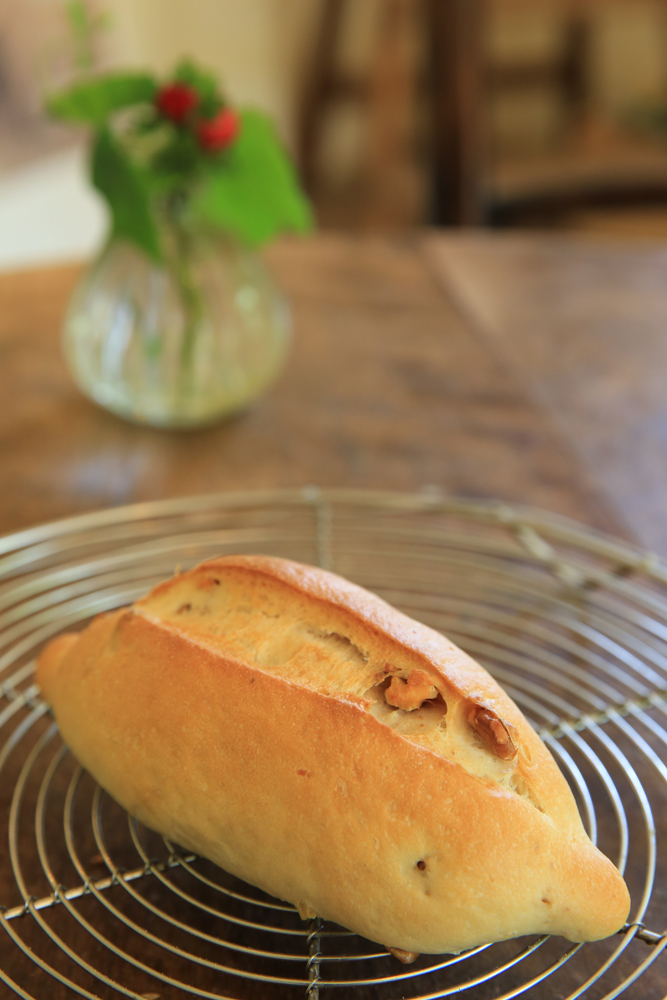
Soft, slightly sweet dough kneaded only with ▲ milk and accented with organic walnuts. The rich, sweet and savory taste of biting into the walnuts is perfectly balanced with the moist dough!
Cheese France 300 yen
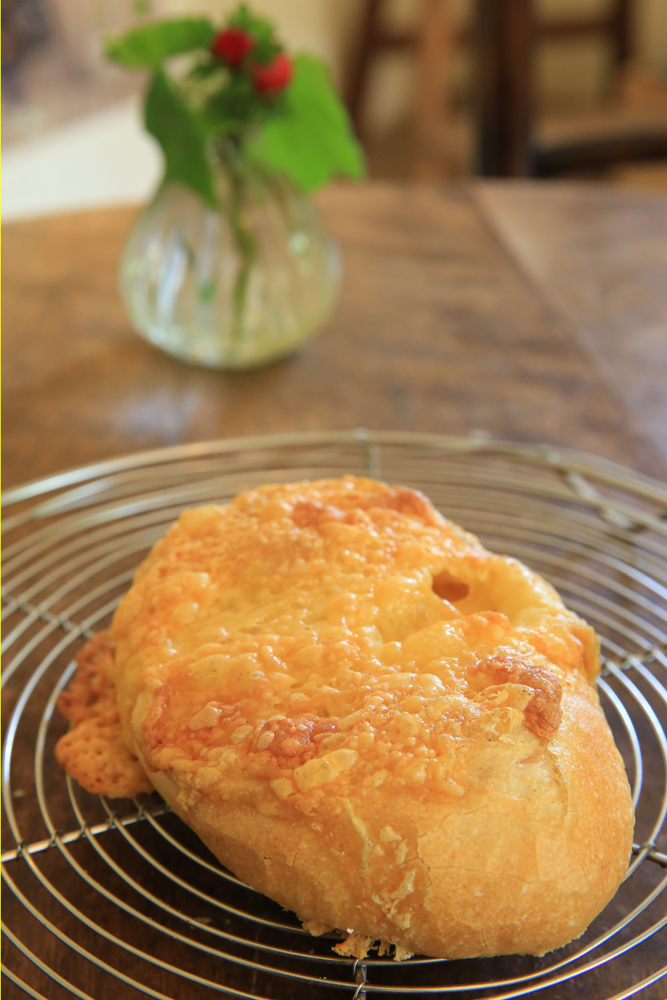
A hearty French bread filled with calcium-rich cheese. It is recommended not only as a meal bread but also as a snack! Warm it lightly for an even better taste.
figs 400 yen
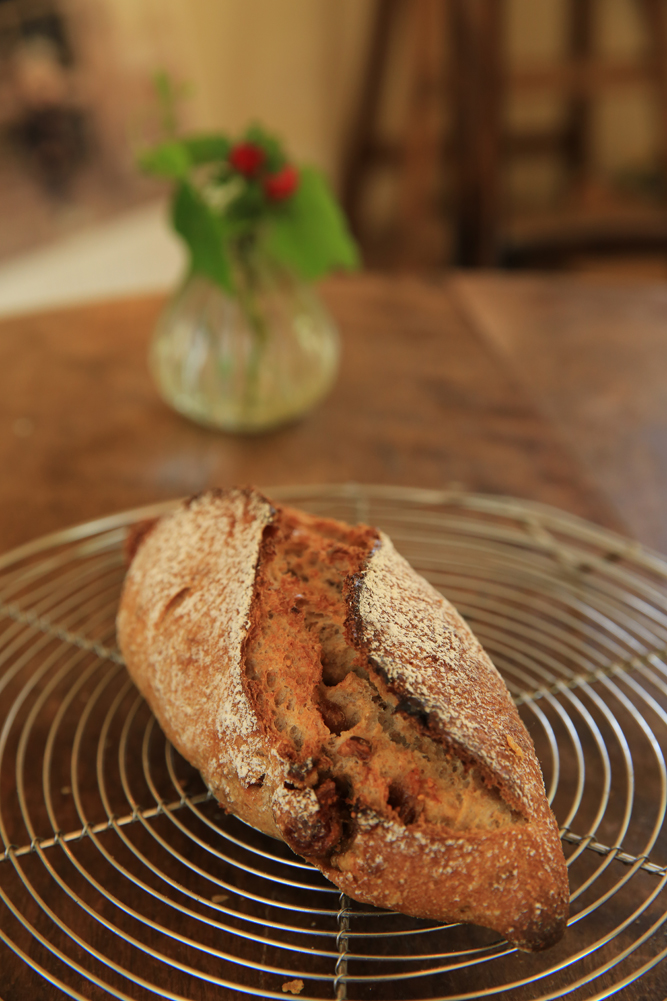
Organic dried figs are woven into a whole wheat flour dough to create a hard bread without sugar, eggs or oil. The sweet and sour taste of the figs and the crunchy texture are enjoyable!
Macha cream (front) 185 yen
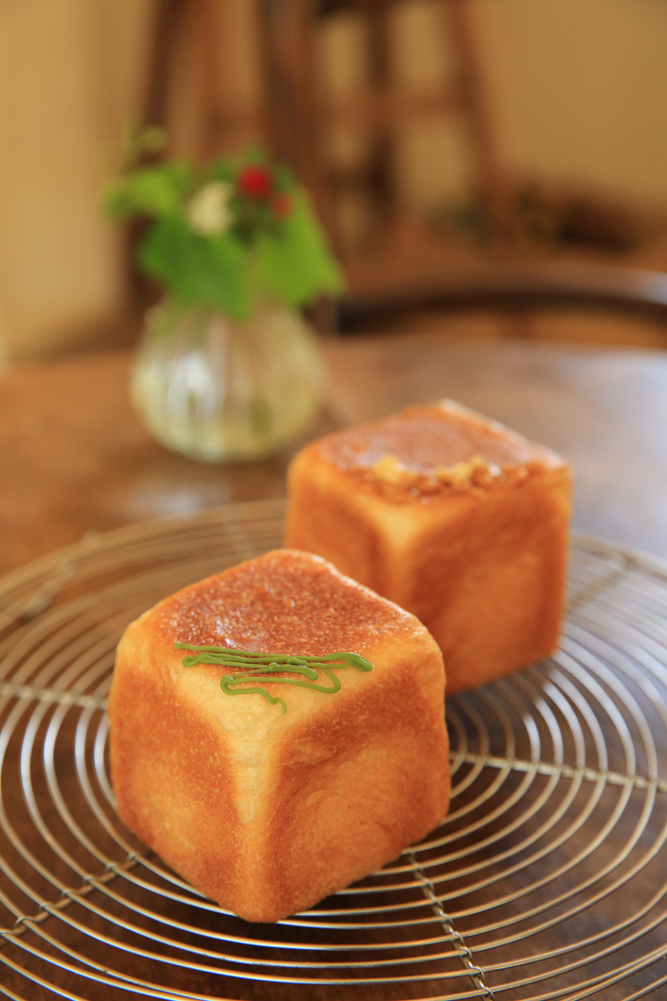
The cute cubes are filled with homemade cream with a gentle sweetness made from matcha green tea from Hoshino Village in Fukuoka Prefecture. The aroma of early summer will waft in your mouth.
Caramel cream (front): 185 yen
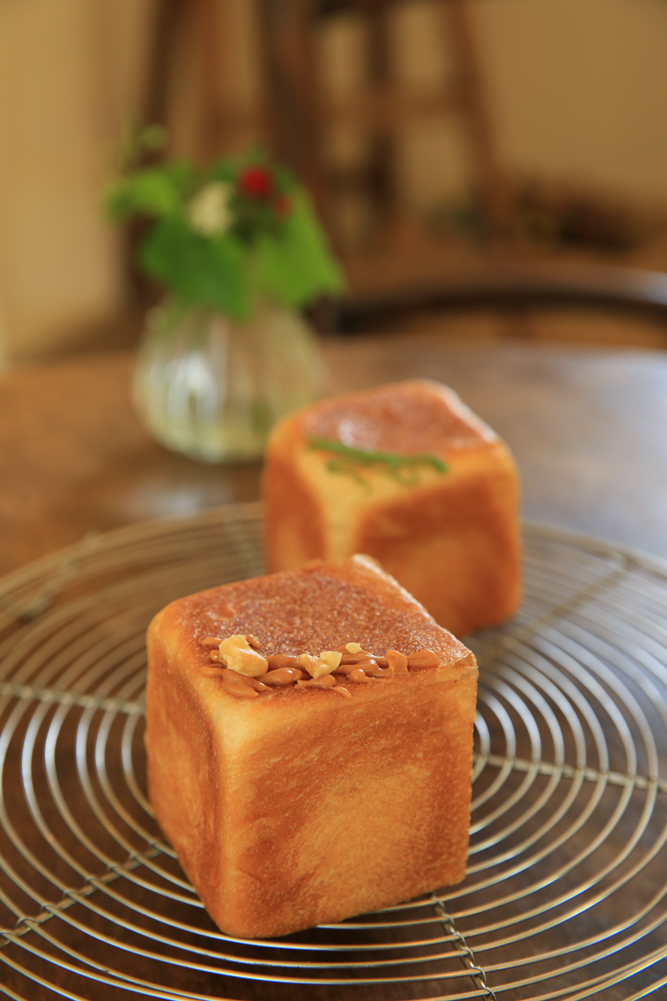
▲Cubes of bread with homemade caramel cream with moderate sweetness. Goes great with coffee or tea!
scone
Pick up a recommendation of the day from the scone series that has been very popular since the opening.
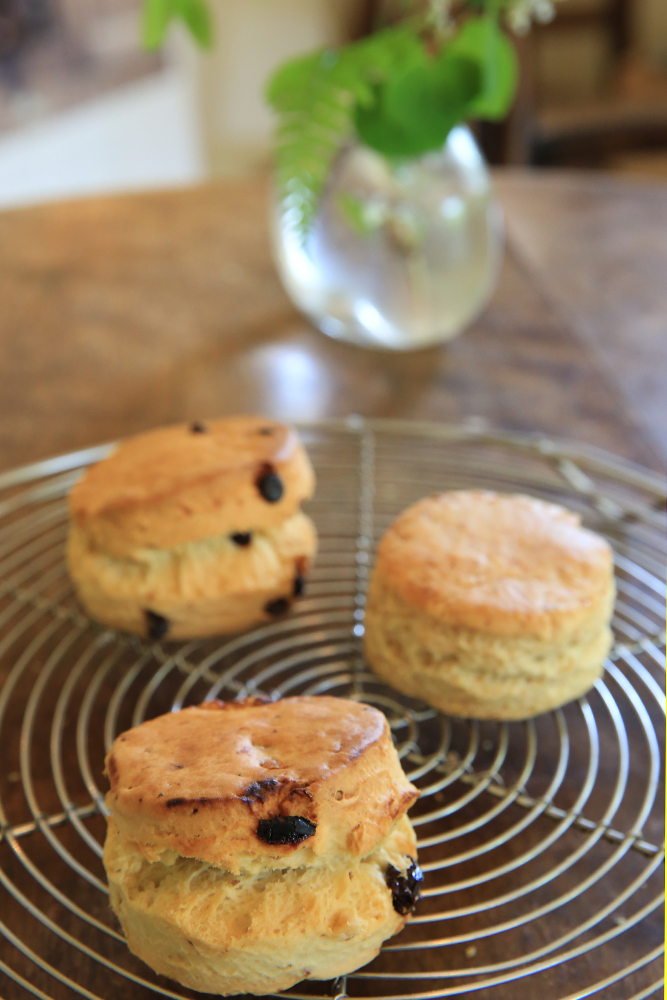
Walnuts & Raisins: 160 yen
The crispy dough is packed with organic walnuts and raisins. The sweetness is so moderate that you can eat as many as you like!
(Center) Soy milk scone: 185 yen
This healthy scone contains whole wheat flour and is made without butter or milk! The crispy texture and the natural sweetness of domestic wheat can be felt.
(Back) Chocolate chip 160 yen
It is made with plenty of fine chocolate chips, a staple in English tea time. The dough is not too sweet, giving it a mature finish!
Cafe space "Yama Cafe
Lunch time: 11:30 - 14:30
Cafe time 15:00-17:00
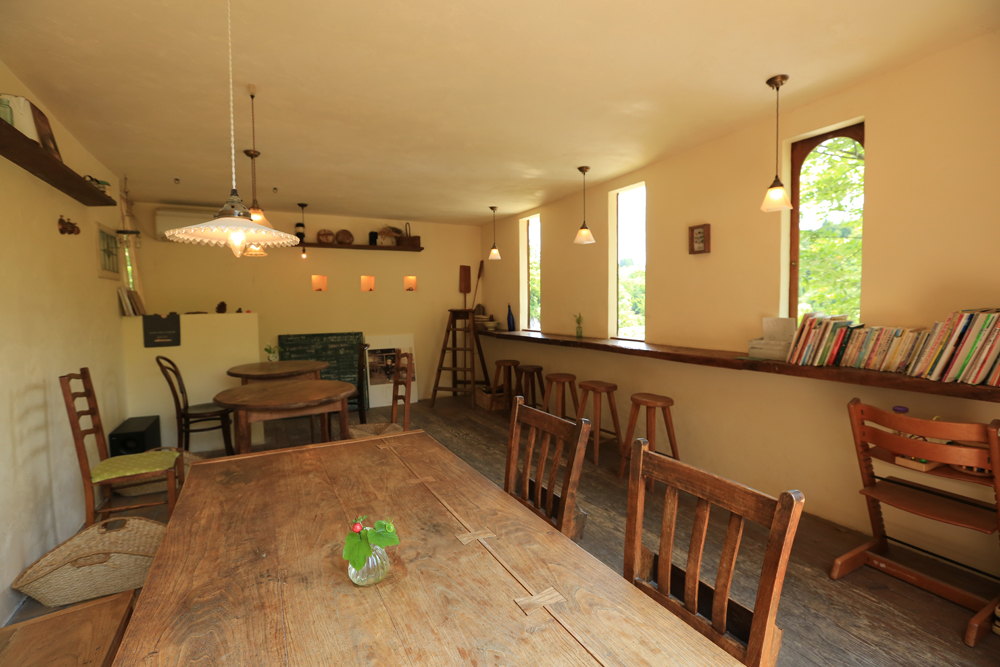
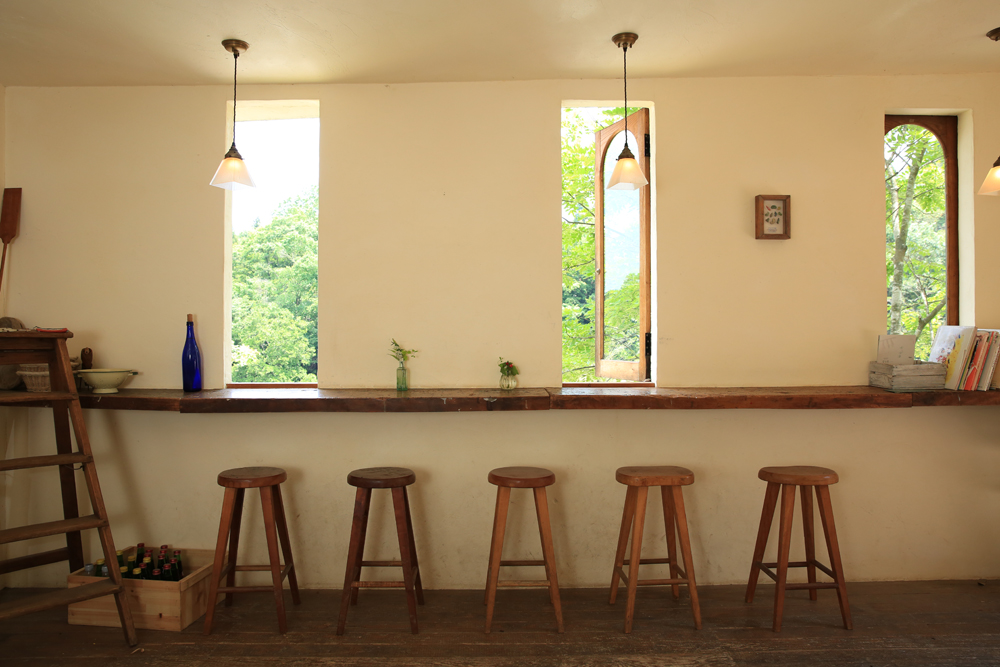
As we mentioned before, this café space was designed by the Usuda owner himself! It is amazing that they built most of it themselves.
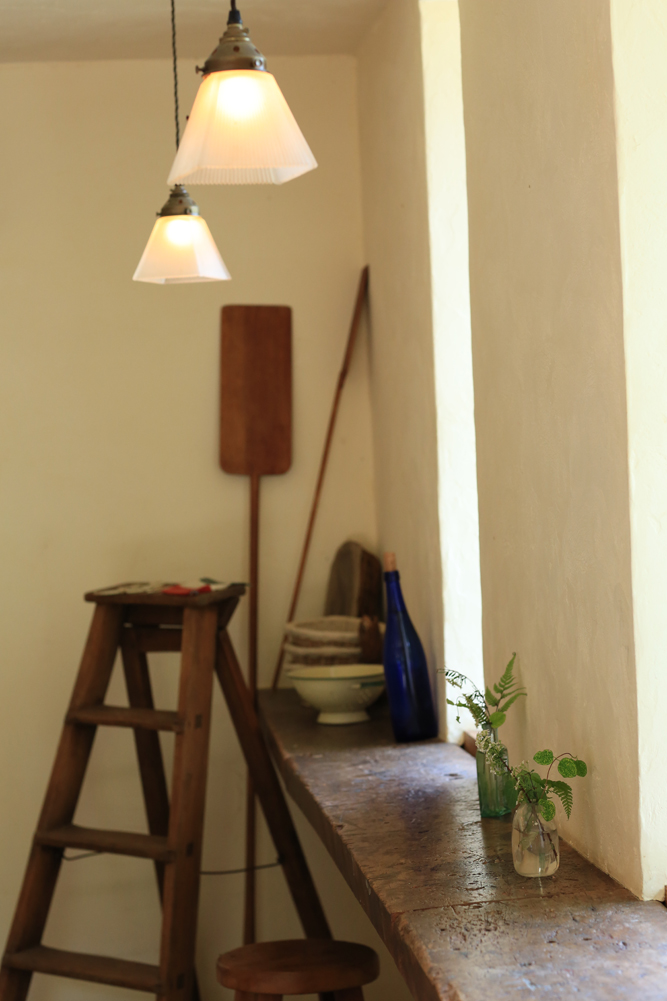
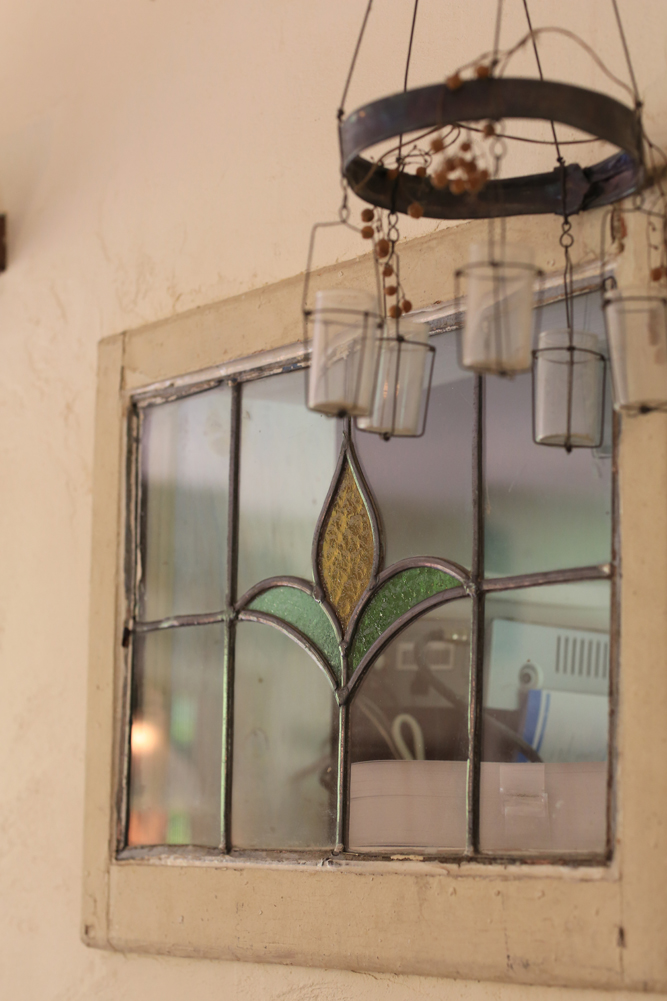
The interior design, including lighting and chairs, is made from European antiques collected by the owner himself. The owner also reuses local scrap wood and other materials to create the space he envisions.
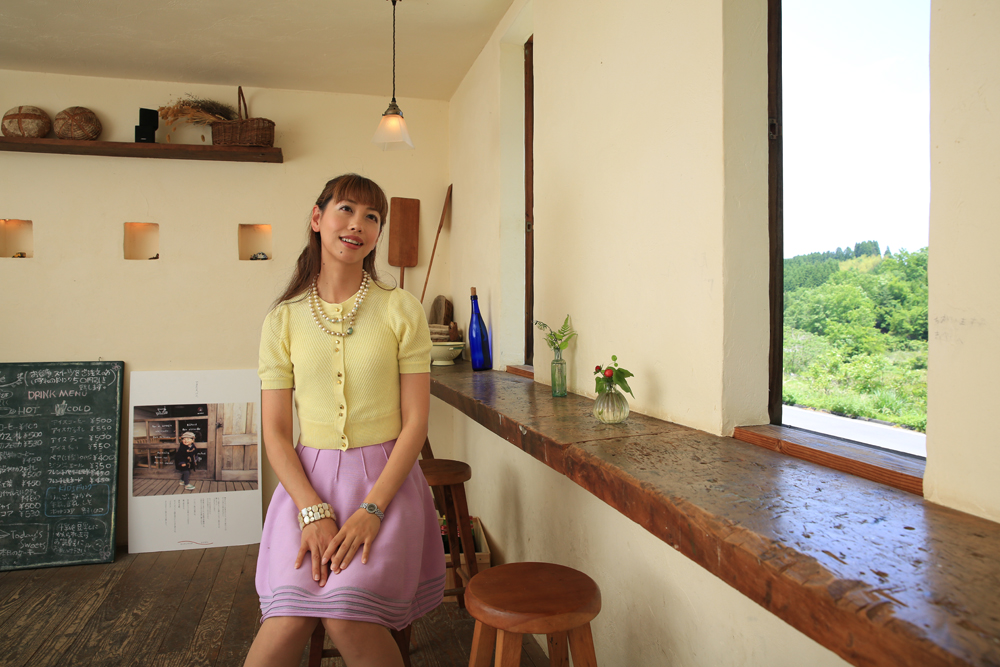
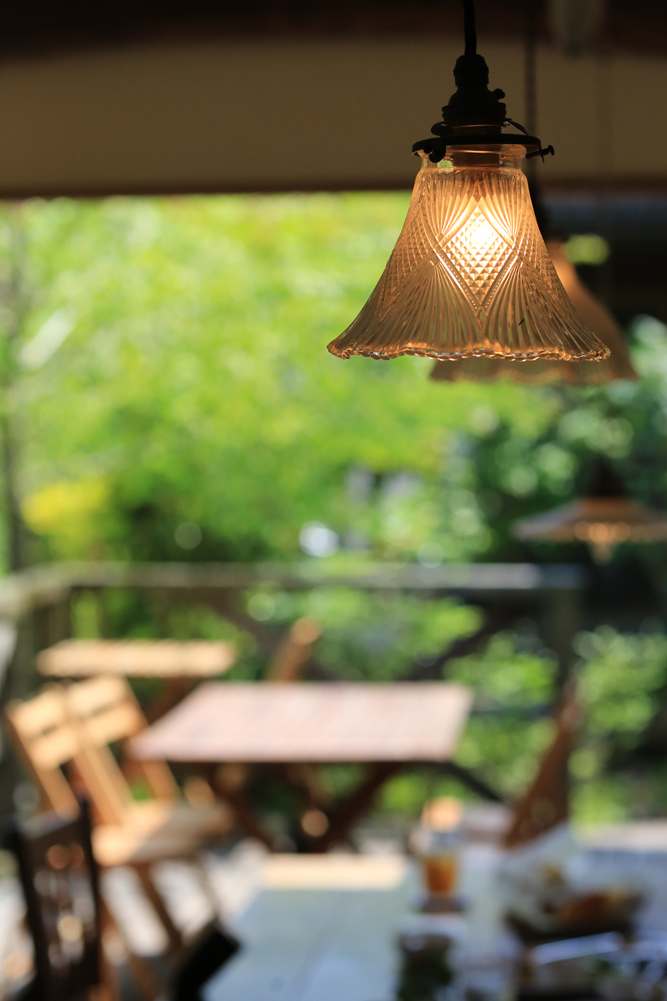
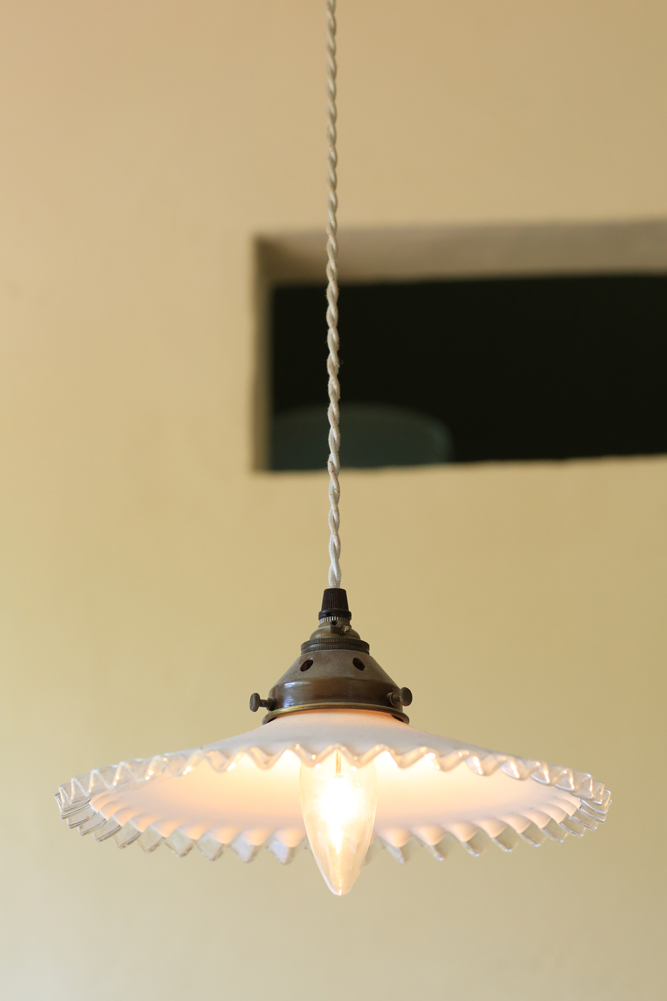
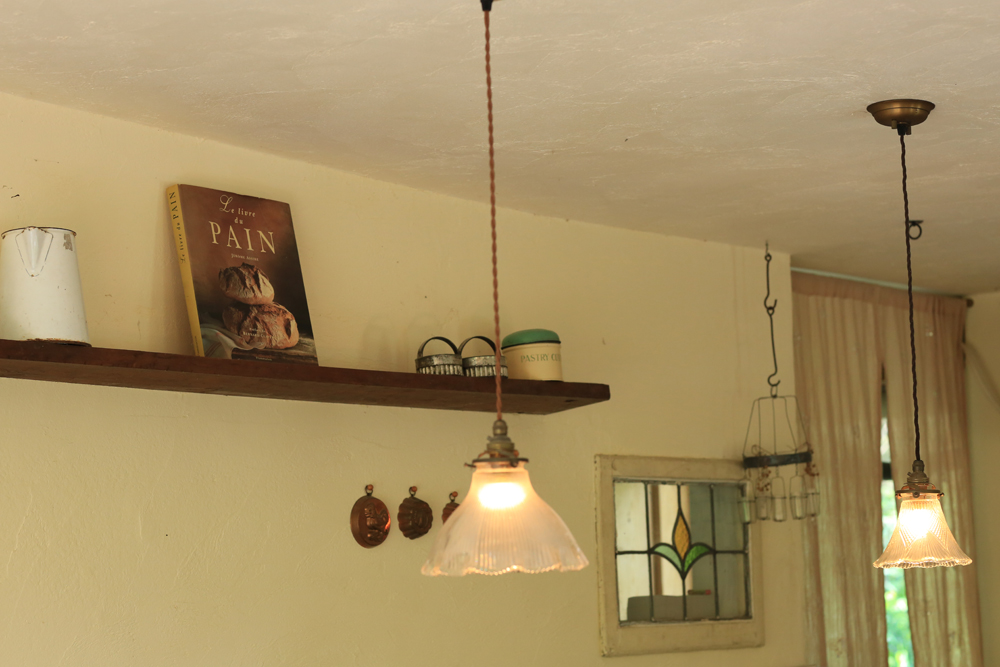
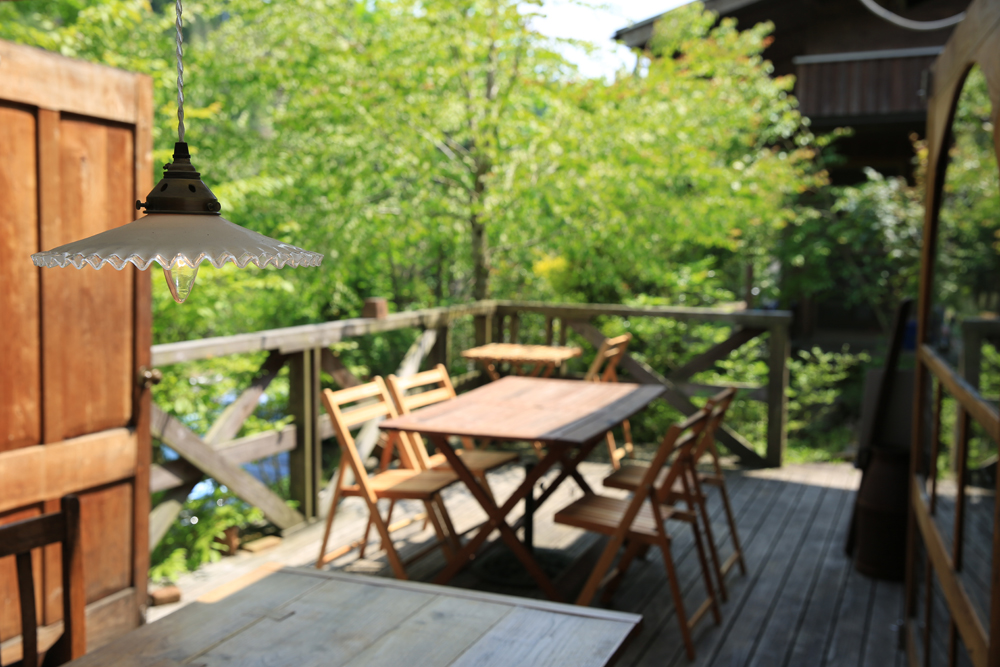
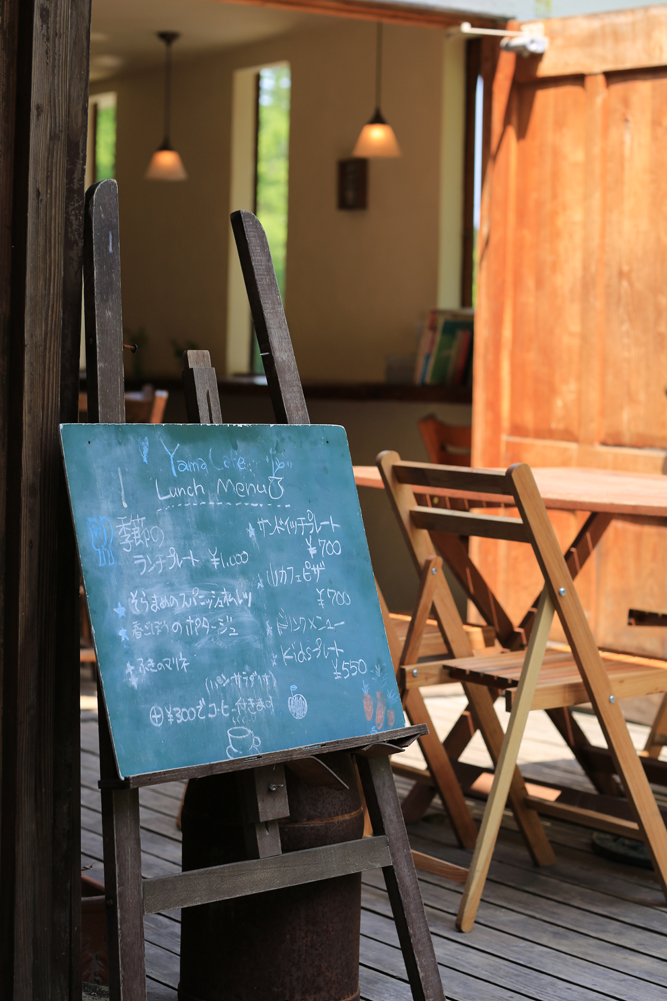
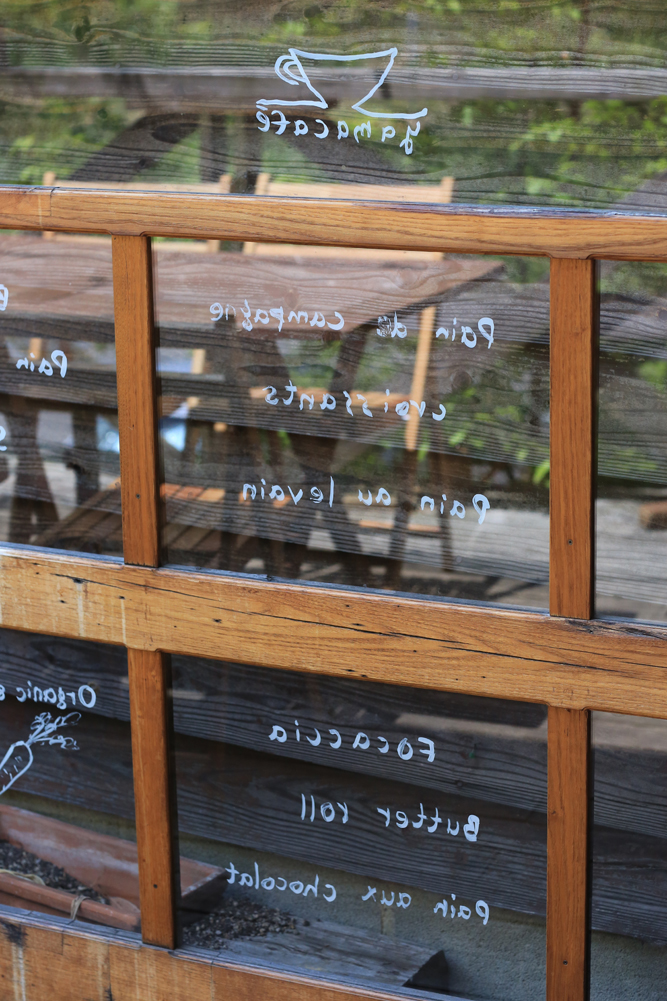
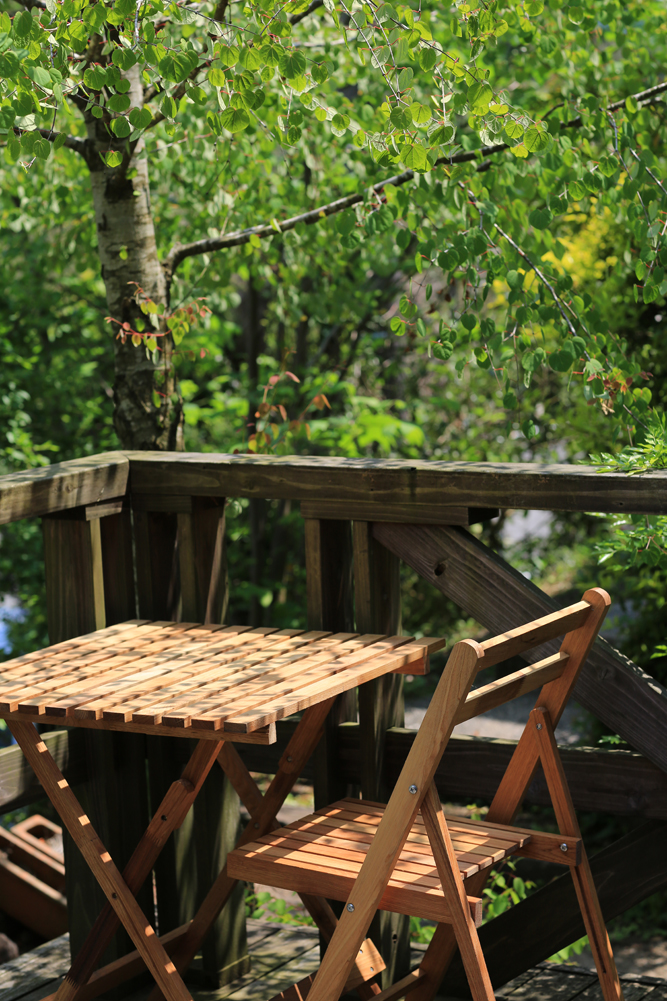
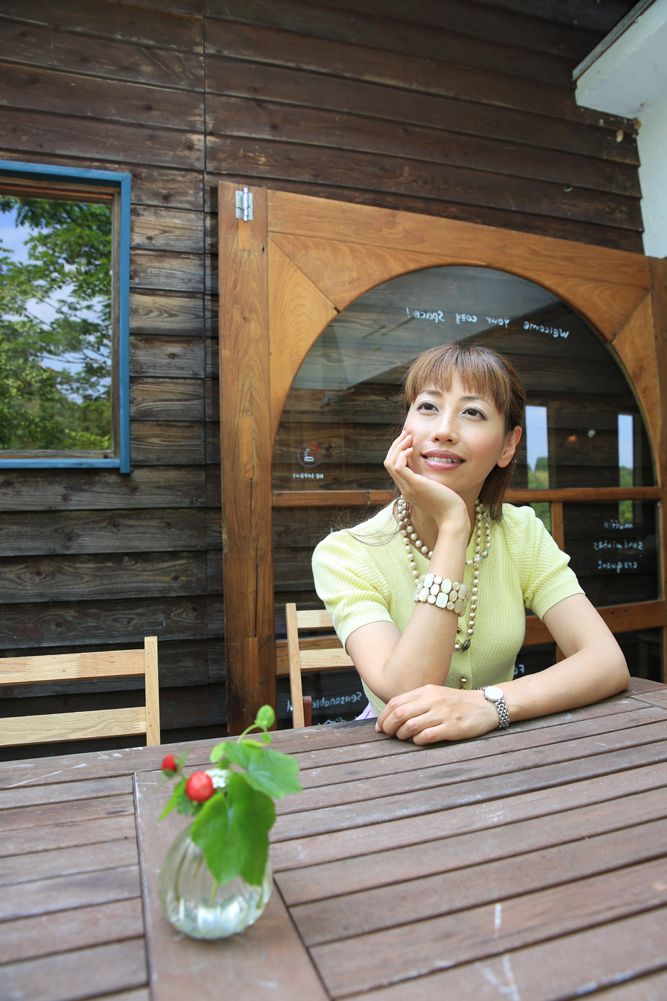
The terrace is open all year round, and you can feel the breath of nature and sunlight filling your body. We especially recommend spring through fall, when it is easier to spend time outside!
Recommended Cafe Menu☆.
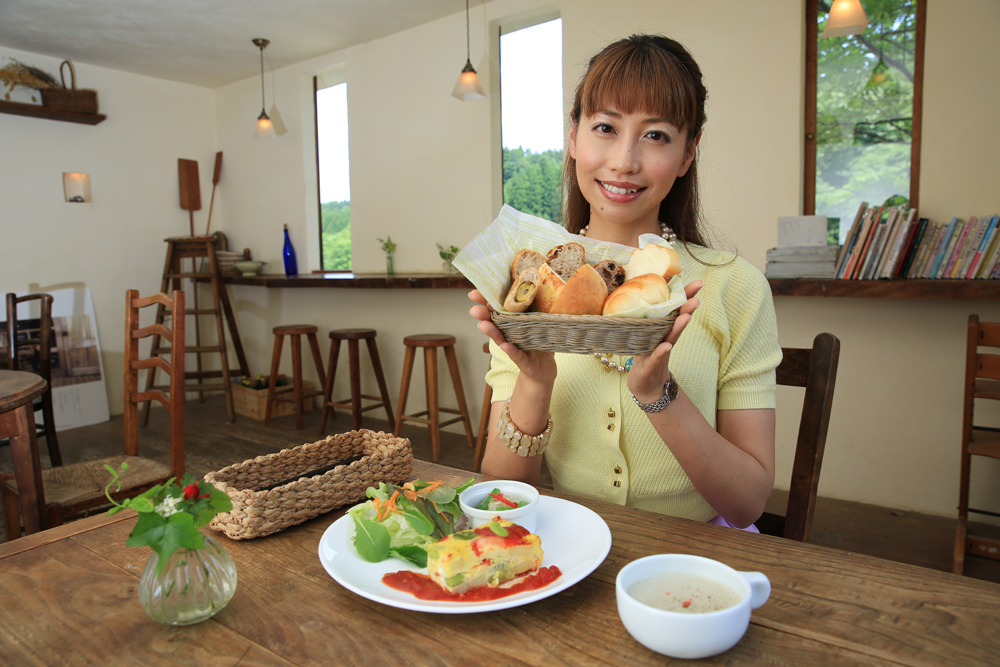
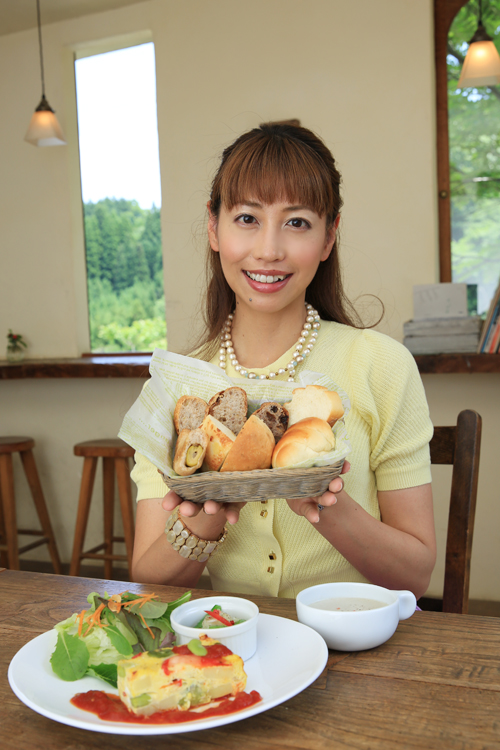
The person in charge of baked goods and the café menu at Kitchen Usuda is his wife, Shigemi Usuda. The ingredients are made from pesticide-free seasonal vegetables and seasonings that are close to nature, and the menu is healthy and gentle on the body. I want my children to eat safe and delicious food! I create my menus with the same thought in mind for my customers," says Narumi. The dishes are not only healthy, but also show a good sense of taste in every detail, from the colors to the flavors!
Seasonal lunch plate (bread and green salad set) 1,100 yen
(+250 yen for coffee)
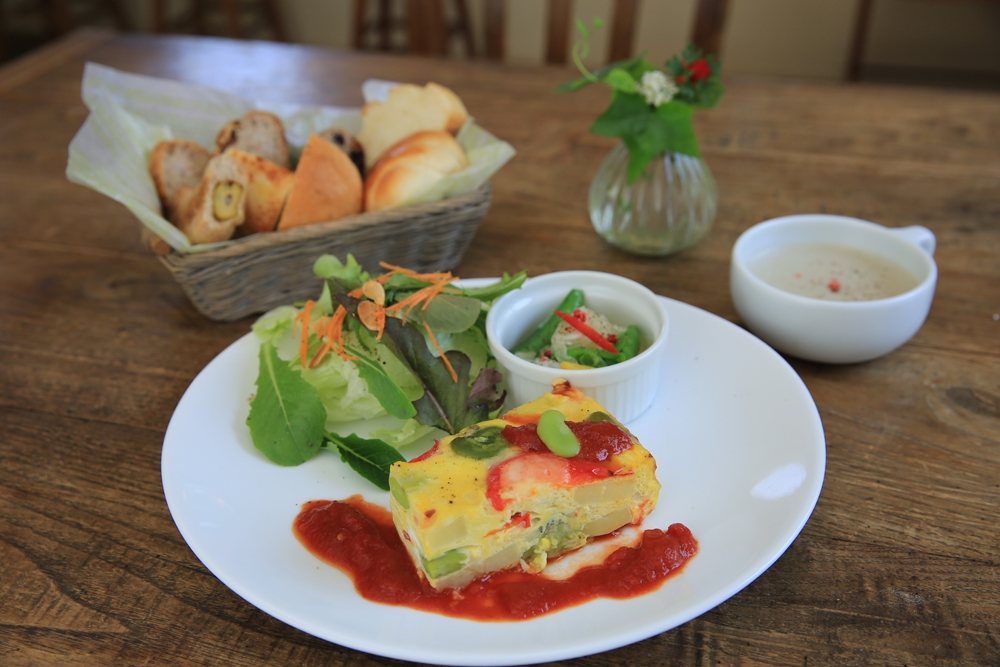
Spanish omelet with fava beans
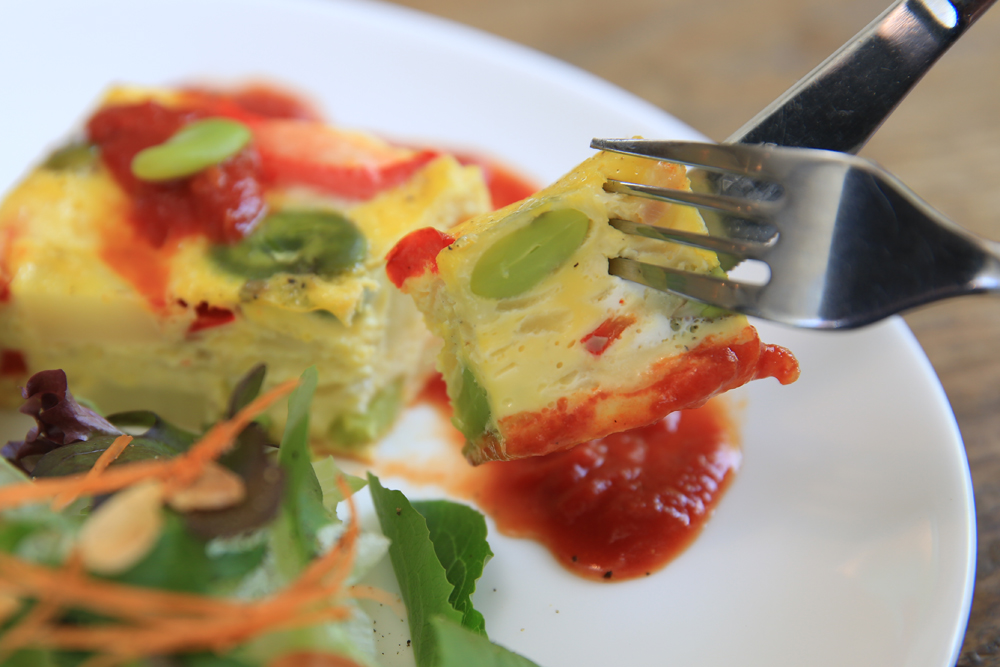
The main dish of the day was a Spanish omelette stuffed with fava beans. The flavor of uncolored bacon soaks into the dish, and the sweetness of freshly picked bell peppers, fresh onions, and other vegetables is well alive. You will be impressed by how well it goes with the tart homemade tomato sauce!
Potage of burdock root
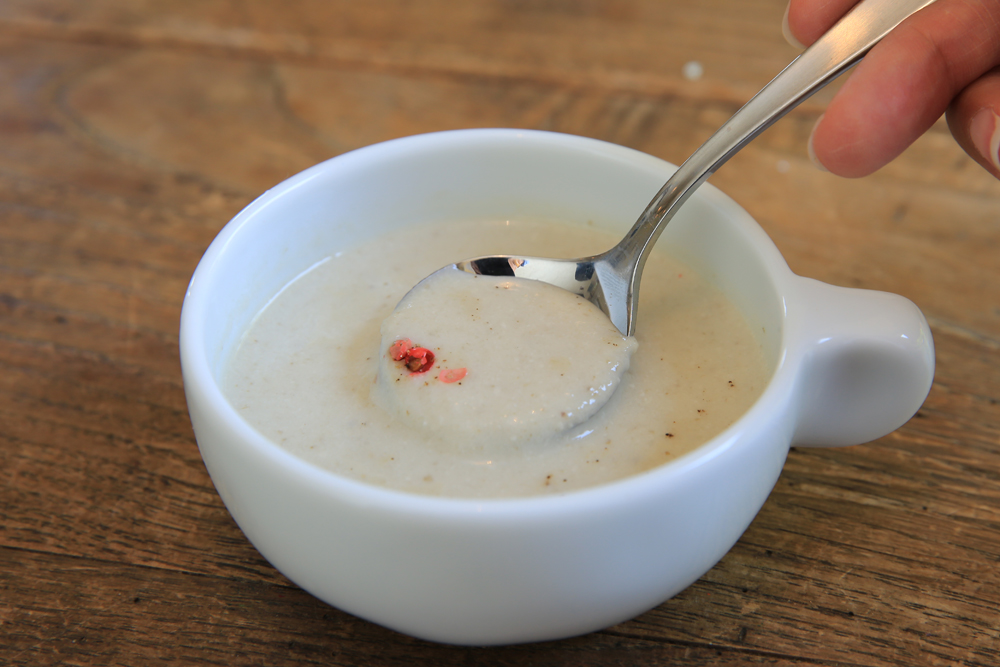
A stylish feast of seasonal spring burdocks made into a potage and topped with pink pepper! Just one sip and the fresh aroma of the earth and olive oil will fill your body with the breath of spring☆.
Marinated spring vegetables
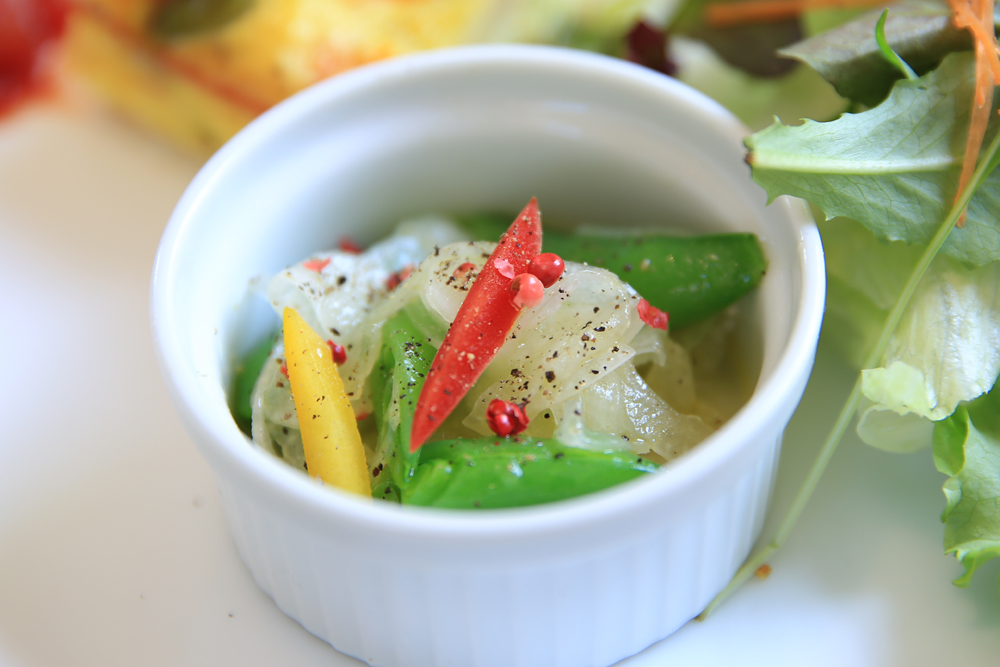
A rich variety of marinated seasonal vegetables, including freshly picked peas, butterbur, fresh onions, and asparagus. The homemade marinade sauce, which is slightly sweet and has a light sour taste, is excellent!
several kinds of bread
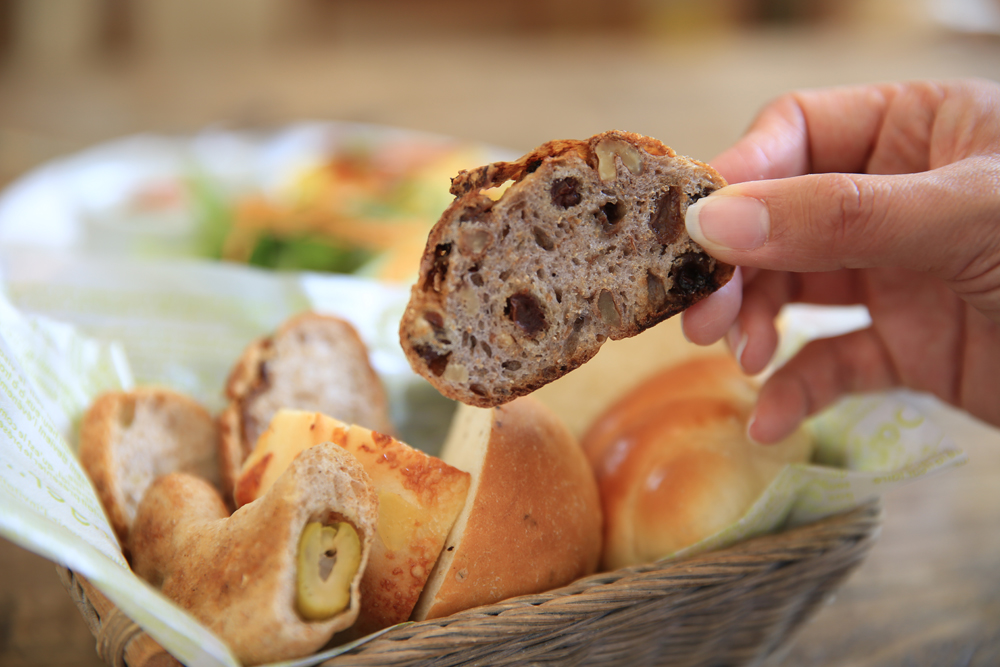
This luxurious basket is filled with about 6 to 8 kinds of bread recommended for the day by Kitchen Usda! Bread lovers who want to try this and that will not be able to resist!
green salad
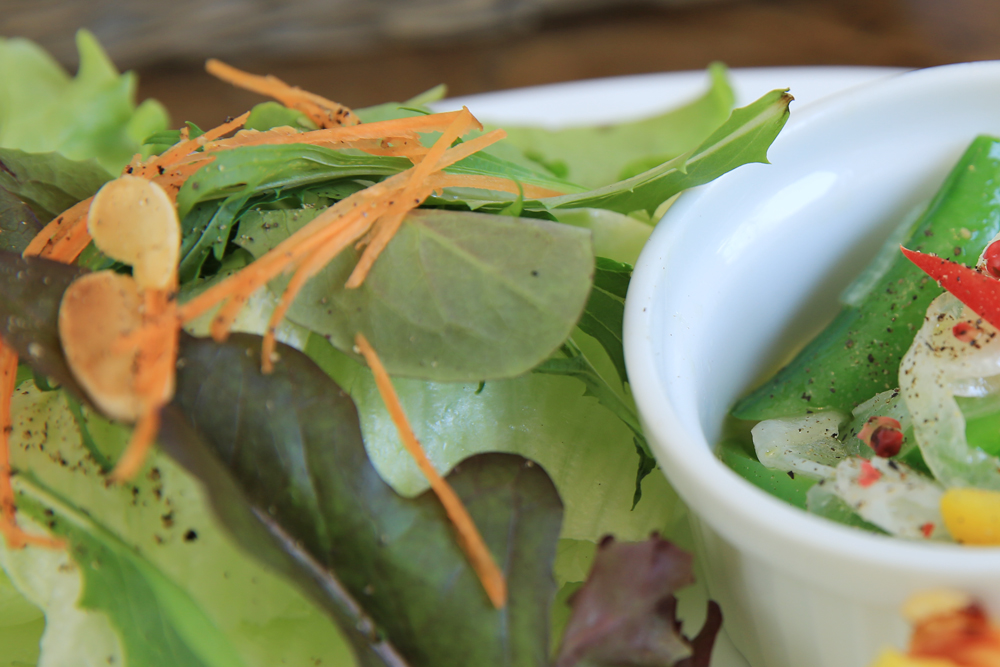
A heaping salad of locally grown pesticide-free baby leaves. Served with homemade dressing.
Other Lunch Menu
Sandwich plate 800 yen
Special pizza 800 yen
Kid's plate 560 yen
Cafe menu (from 15:00)
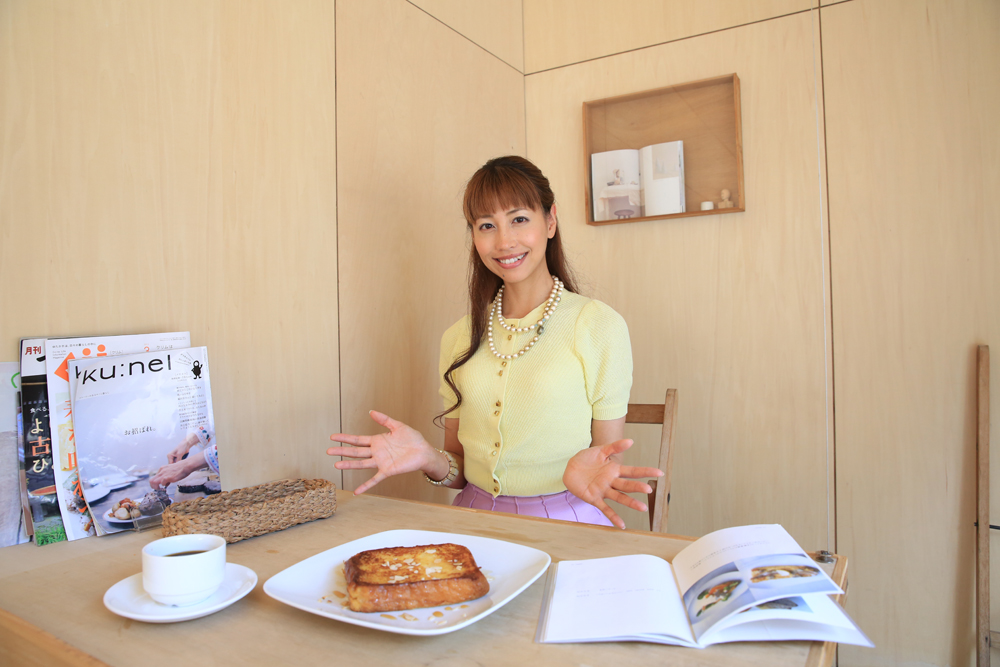
Caramel French toast 600 yen
Yama Cafe-style maple toast 600 yen
Hot Drink
Coffee 400 yen
Cafe au lait 500 yen
Cafe mocha 530 yen
Grain coffee 450 yen
Grain café au lait 500 yen
Black tea 400 yen
Royal milk tea 480 yen
Chai 500 yen
Cocoa 530 yen, etc.
Ice Drink
Iced coffee 500 yen
Iced café au lait 550 yen
Iced tea 500 yen
Iced chai 550 yen
Pear cider: 400 yen
Ginger ale 400 yen(lessening the significance or value of the previous word) the likes of
KID's Drink
Apples, mandarin oranges, milk, soy milk, shiso, hot cocoa, 160 yen each
Interview with Mr. Akira Usuda and Mrs. Narumi☆
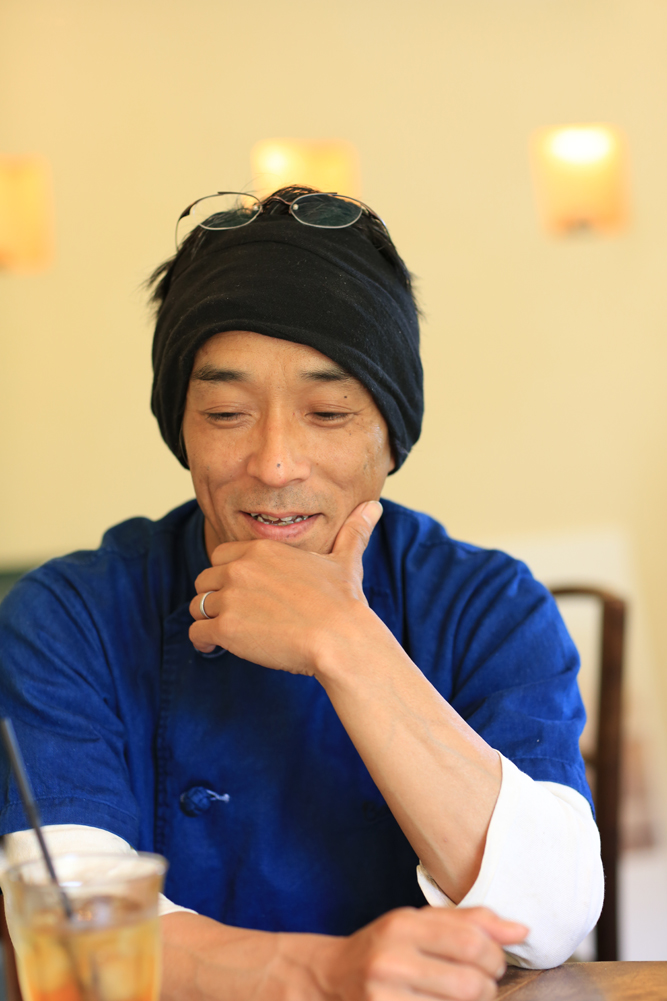
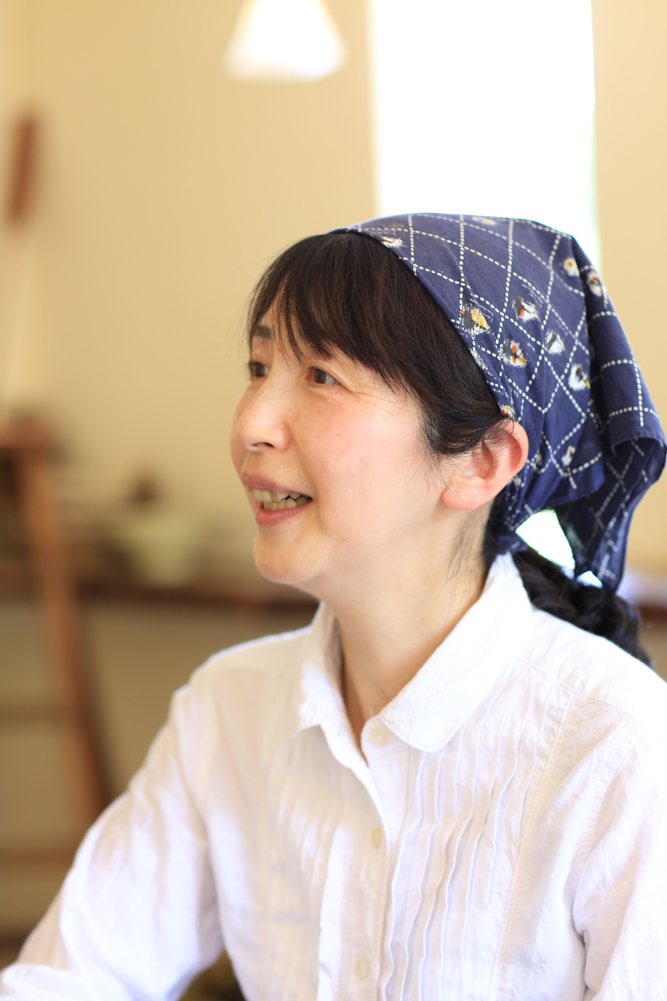
Born and raised in Tokyo, they have been living in the countryside for more than 20 years. They did not move here to make bread, but to express their lifestyle through ecological living experiences that are only possible here.
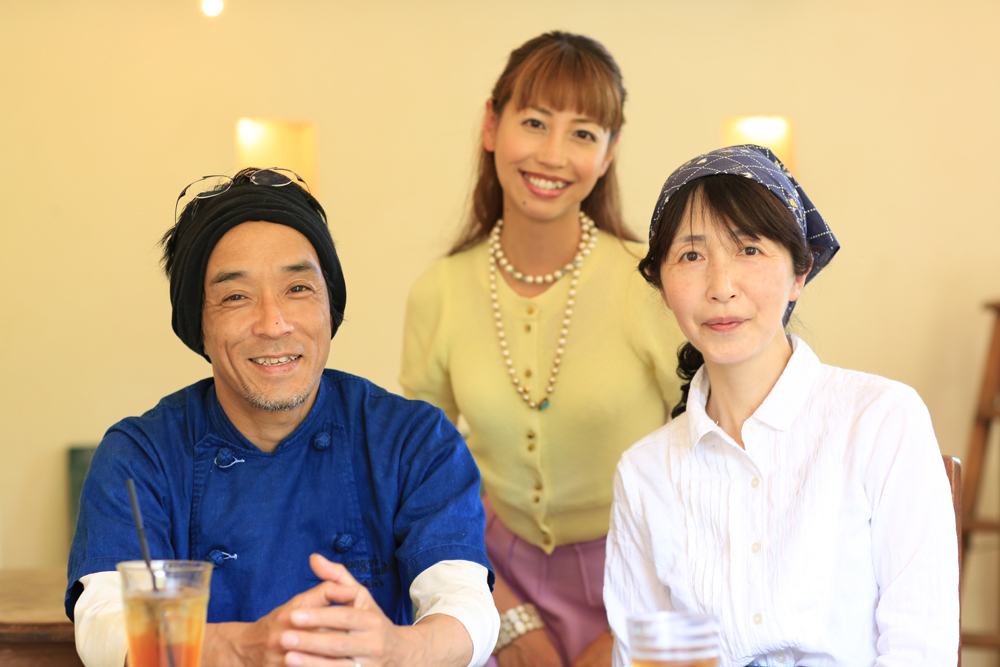
▲Owner Akira Usuda (bread production and management) and his wife Narumi (pastry chef and cafe manager)
Q: When did you move here?
Mr. Akira:It's been over 20 years now. ...... Until then, we both worked in bakeries and stores in Ginza.
Q: Why deep in the mountains of Kyushu?
Mr. Akira:I was working in Ginza, and of course it was rewarding, but it was too busy for me to feel like a human being. I could not get the key word ”human” out of my head, and since I have always loved nature, I had always wanted to live in the countryside. At first, I thought about moving to the countryside near Tokyo, but when I happened to visit the area with an acquaintance, I was drawn to this house that stood alone in the mountains with absolutely no houses around it, and for some reason I was instinctively attracted to it. ...... I decided on the house immediately after that (laughs).
Q: How did you feel as soon as you moved here?
Mr. Akira:It was a vacant house, but it was in no condition for human habitation, and there were no toilets or bathrooms. The first thing we had to do was to make it livable. When we first moved here, we had no money or livelihood, so we both worked part-time to make a living and did everything by hand. Of course, it was hard work, but the hardships we endured seemed somehow human, and we didn't feel bad about it at all. ...... If anything, I really enjoyed being able to design whatever I wanted (laughs).
Q: Did you move to the area with a bakery in mind?
Mr. Akira:I thought, "Well, that's all I could do, so I knew I had to do a bakery [laughs]. But I did not move to the country because I wanted to open a bakery in the countryside. Bread is just a part of my life, and I envisioned bread not as something made in the city, but as an expression of the essence of nature that flows through this land, with agriculture as the substrate of life, for example. We were lucky enough to rent a very well-located rice field, so the family planted rice and grew rice together. So we are half farmer, half baker."
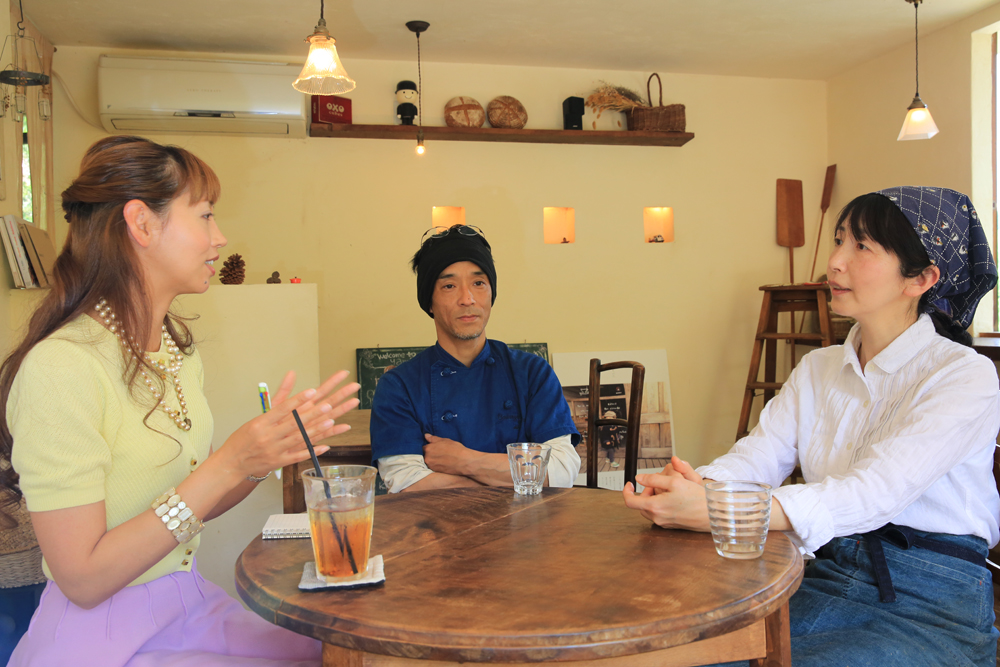 Q: How did you connect with the community?。
Narumi:I have actively participated in local festivals and events since I established my base of operations here. I believe that cooperating with local people and helping each other is the way to survive in the countryside.
Q: What has been the reaction of the community and customers?
Narumi:When we first opened, we certainly had a lot of reactions that really broke our hearts, such as ”it's too hard” or 'I can't taste it. ...... In the Tokyo metropolitan area where I used to live, bread was often on the dinner table on a daily basis, and there were naturally bread connoisseurs who were interested in a variety of breads, including hard breads, but here, soft white bread sold on the market was the mainstream, and bread itself was positioned as a "snack" rather than a meal. I was sometimes perplexed by the differences in culture and lifestyle. But it was precisely because of this that I wanted to propose "table bread" that was not a snack. To be honest, I was so brokenhearted that at one point I thought about turning to bread that would be very popular with the locals. ...... But thankfully, thanks to people who made a U-turn or returned to their hometowns and appreciated Usda's unique bread, it gradually became popular among the locals, and the values of the reimported image spread, and somehow I was able to keep my original intention (laughs)."
Q: What is the difference between your bread and that of the best stores in Tokyo?
Mr. Akira:The difference is the ingredients. The bread we made in Tokyo was a traditional European hard bread with a high degree of perfection, as if it were a precision machine. Of course, Kitchen Usda's bread is made with the same techniques developed in Tokyo, but when we wanted to make bread that can only be enjoyed here, that comes from our own lifestyle, and that is filled with the bounty of local nature, we had to use more natural ingredients. ....... If you add artificial ingredients just for the sake of convenience, they will not be compatible with natural ingredients and will not be in harmony with the taste you have in mind. If there is any ”waste” in nature, it will inevitably get caught up there and create a sense of discomfort. ...... That is why I taught myself how to make good yeast many times, and I talked with the ingredients about salt, water, and preparation time, eliminating anything unnecessary.
 Q: When did you start out as a bakery and then the "Yama Cafe"?
Narumi:It is exactly halfway through the bakery's ninth year. The owner designed "Yama Cafe" with the outside air gently flowing in and the contrast of sunlight, lamp light, and antique interior design in mind to create a comfortable space. The menu is designed to be safe, delicious, and pleasing to the body, using local, pesticide-free vegetables. It is a pleasure to see people coming here and spending long hours with a cup of coffee in their hands. I wonder if they are maintaining their own mental balance by immersing themselves in an extraordinary space where civilized devices are not available. I feel that this is what I am doing.
Q: It has been about 20 years since you moved here. How do you feel now compared to when you first moved here?
Mr. Akira:I enjoy what I can do here and what I can only do here. I draw water from the mountains to grow rice with my children, I take in the fresh air when I wake up in the morning, and I bake bread and pastries. I am not chasing numbers for bread or cafes, but rather, "What is the richness of being a human being?" ', my body naturally moved, and that is what has led me to where I am today."
 Q: Please tell us about your affiliated store "Kadopan" in Takeda City (see report below).
Narumi:Kadopan opened last June. This store was also designed by the owner himself, but it is a very simple design, the exact opposite of the Kitchen Usda Yama Cafe. The interior and miscellaneous goods are kept to a minimum, with no unnecessary objects, so that the bread is the strongest "color" in the store. The basic products are the same, but I would like to develop Kadopan with a focus on pain perdu.
Q: What made you decide to open the restaurant?
Mr. Akira:Two years ago, I was involved in an event called ”Takeda Takegaku. I met Mr. Kusakari, a calligrapher who was a key person in the event and a representative of the artists in Takeda City. He was deeply interested in usuda and was eager for us to open a booth in Takeda City, saying, ”I want usuda to be represented in Takeda City. I took the plunge and decided to open a store, thinking that this was also a great opportunity. The space at Kadopan has Kusakari's taste as well.
Q: Do you have any goals for the future?
Mr. Akira:I have a lot of vision for the future, and I feel that we are moving towards it now without any difficulty. I would like to eventually build something like a lodge house on the property. I also want to enjoy my hobby of fly fishing, and I also want to raise the operation of sweets again, and I also want to do a good job of farming. It is hard work, but I really enjoy the things I can do because I live in the countryside. I want to be a person who can inspire the locals and many other people by valuing the stories that connect each of our products to the present and the future, and by expressing more and more the added value and charm that is 'unique to this place'.
Thank you for your time.
Access
Kitchen Usda Yama Cafe
Address: 2433 Hiraishi, Ogata-cho, Bungo-Ono City, Oita Prefecture
Phone: 0974-42-4128
Business hours: 10:00-17:00
Closed: Monday, Tuesday, Wednesday
URL:http://www.kitchen-usuda.com/
From Nobeoka City, take Route 326 toward Oita, and on the way, take Route 502 from Mie Town toward Taketa City.
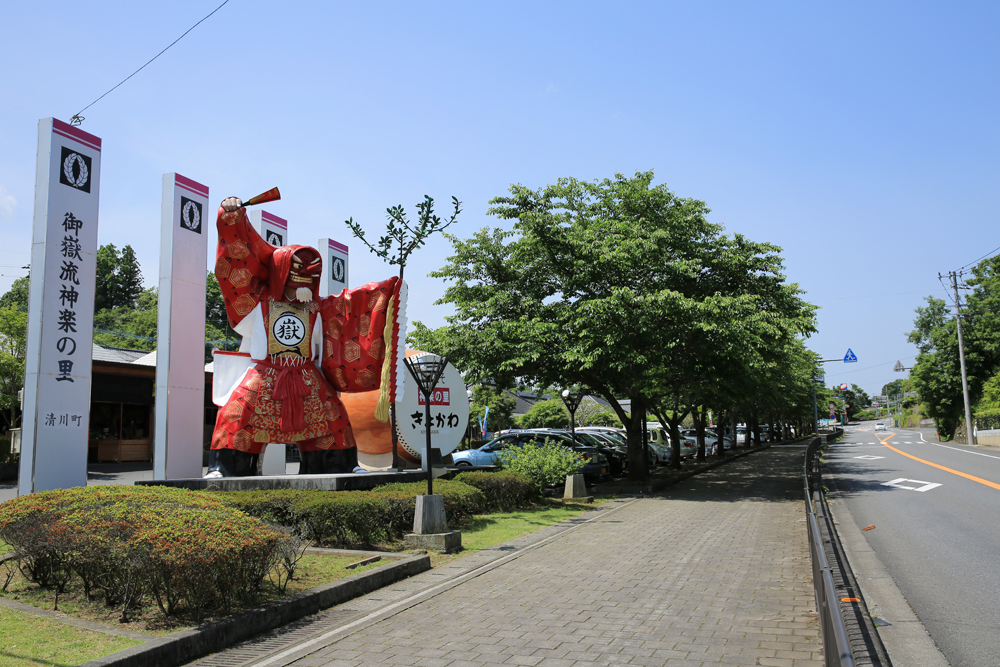
On the way there is "Michi no Eki Kiyo-Kawa" (Roadside Station Kiyo-Kawa)!
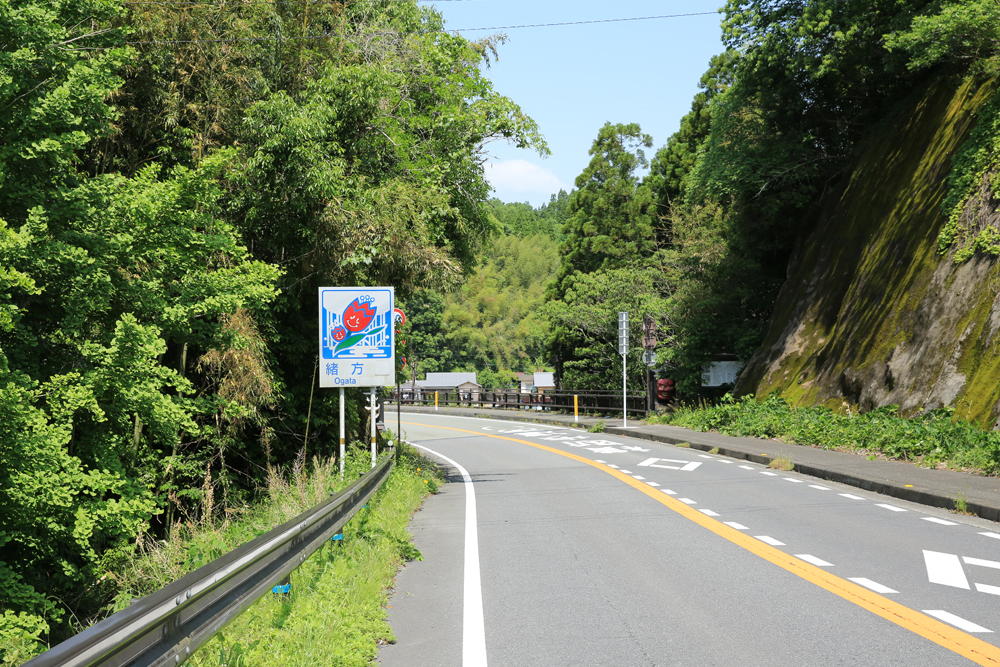
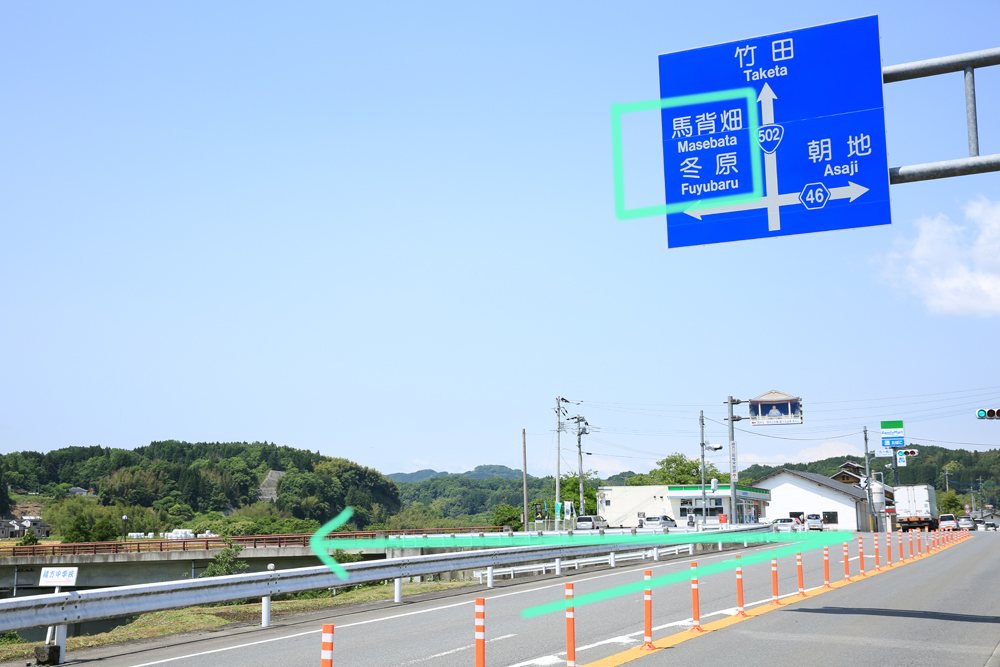
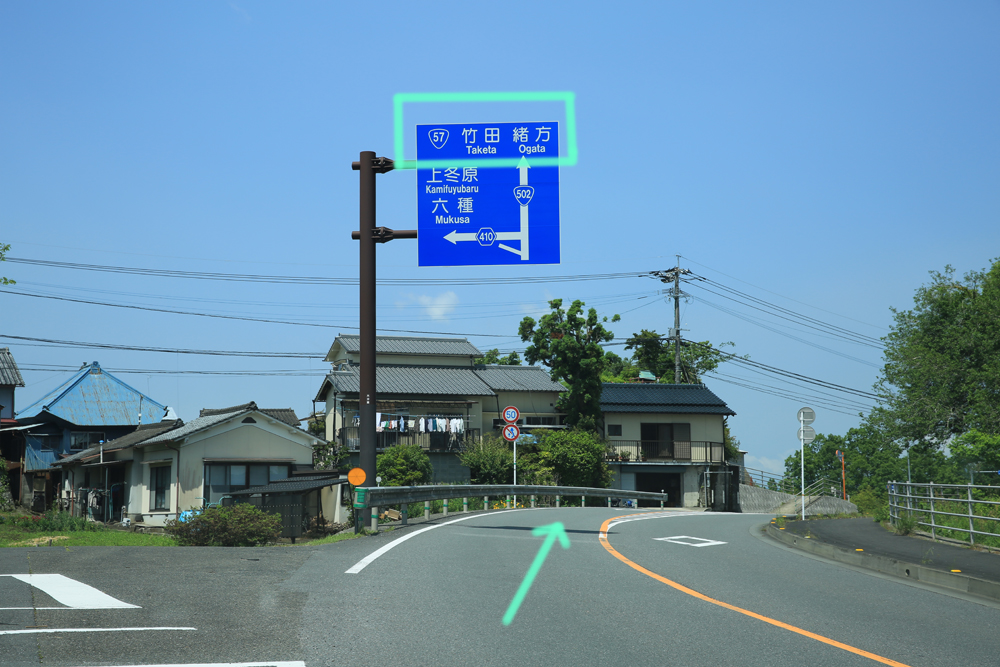
After entering Ogata Town for a while, you will see a signboard in the upper right corner of the image before "Harajiri Waterfall.
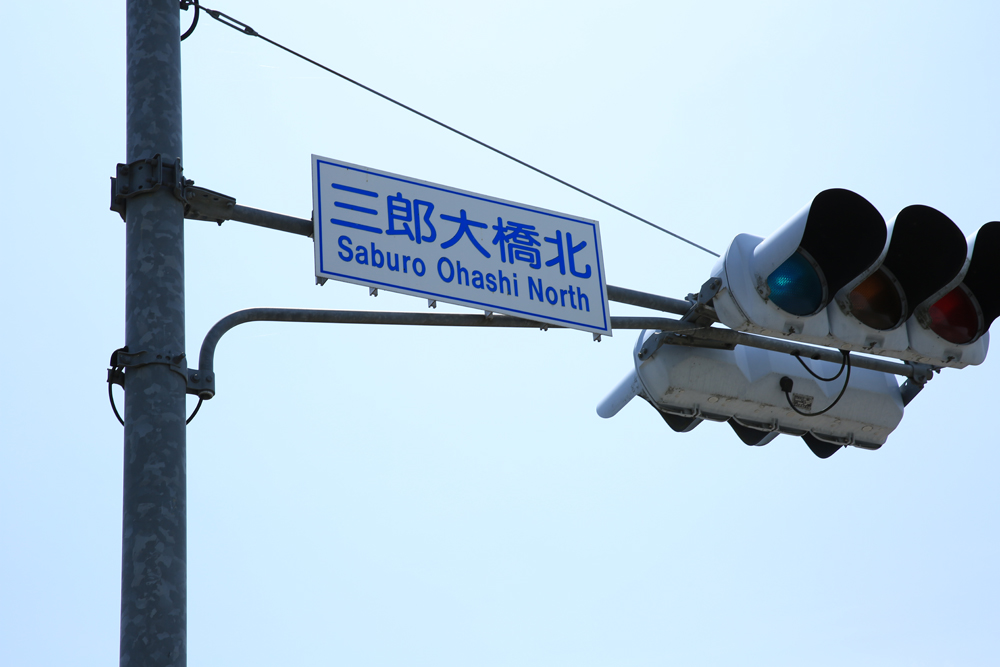
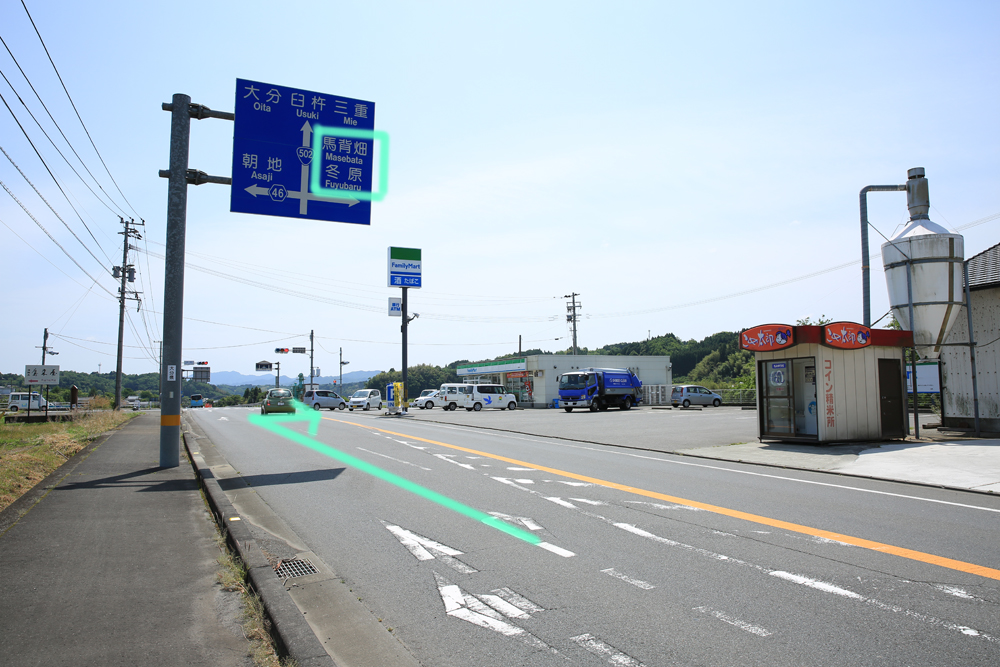
Turn left at the "Saburo Ohashi Kita" intersection.
*Take a right turn from the direction of Takeda City. (Top right of the image)
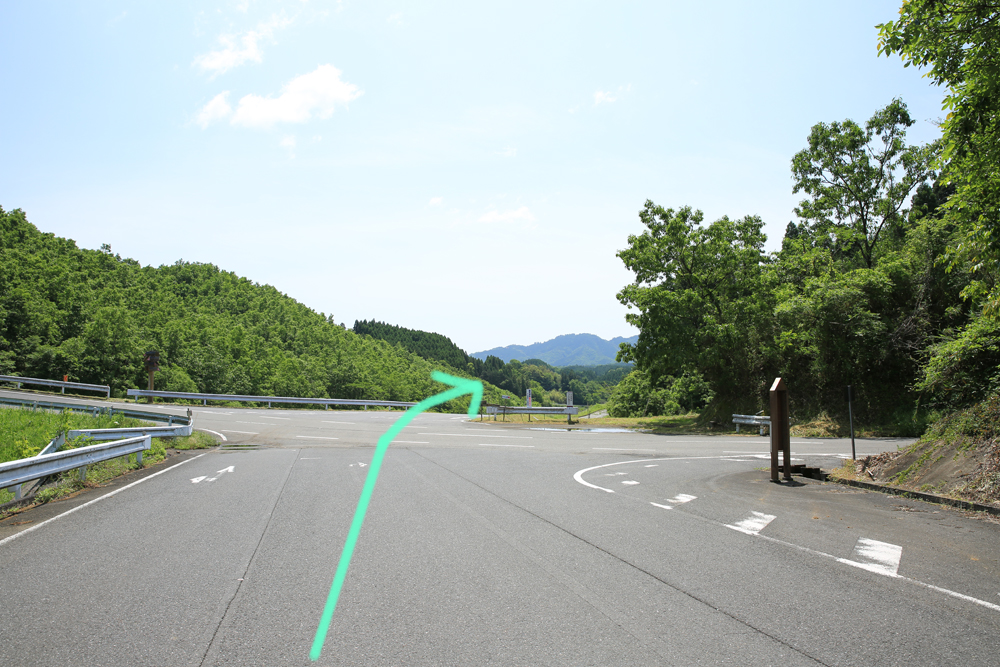
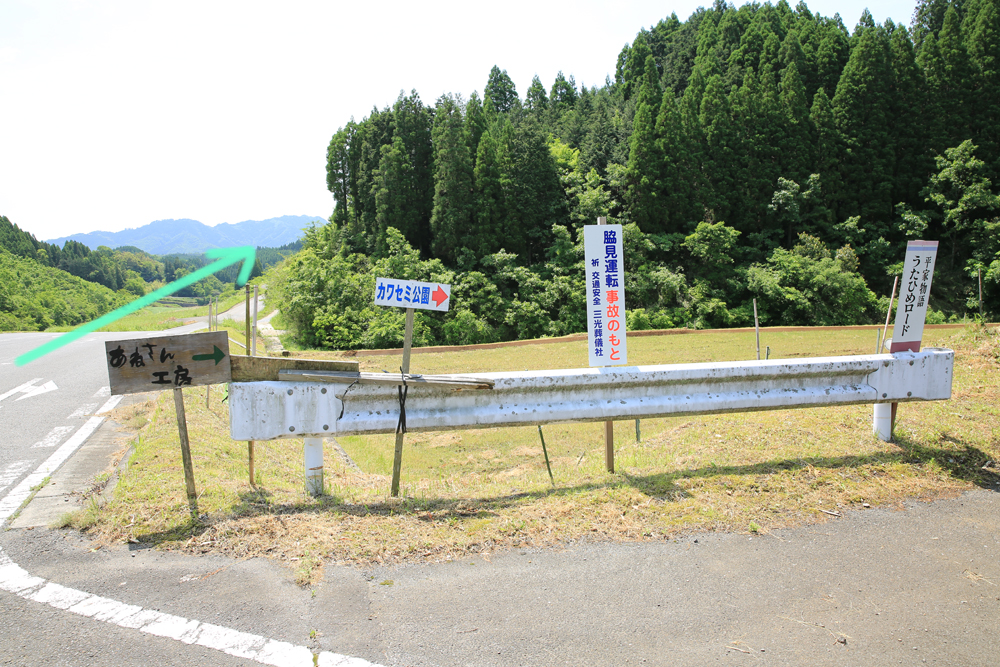
Follow the road for about 5 minutes and you will come to an intersection with a guardrail on the way.
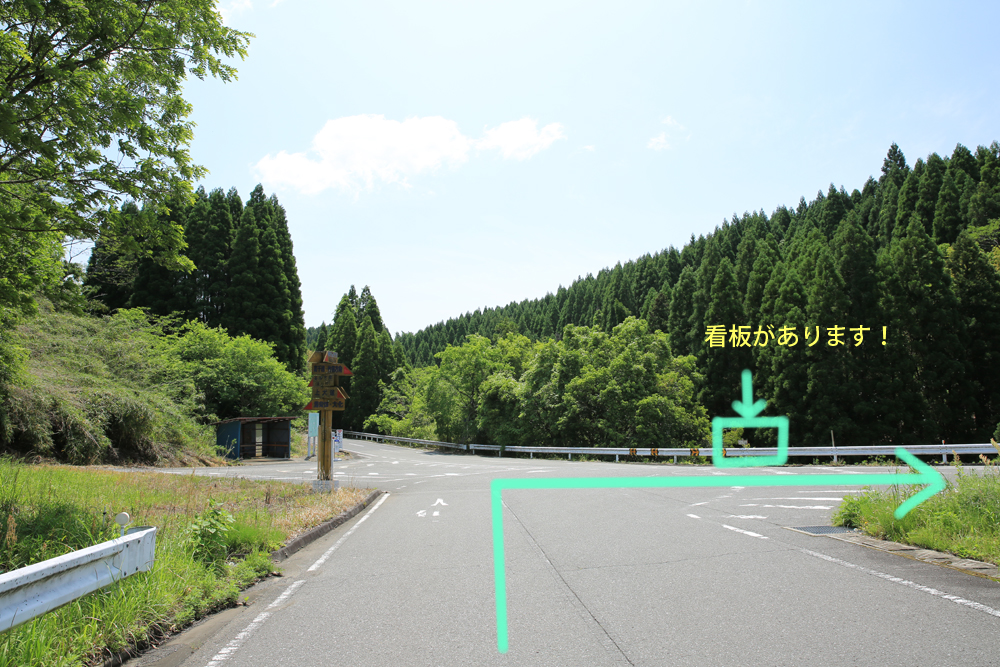
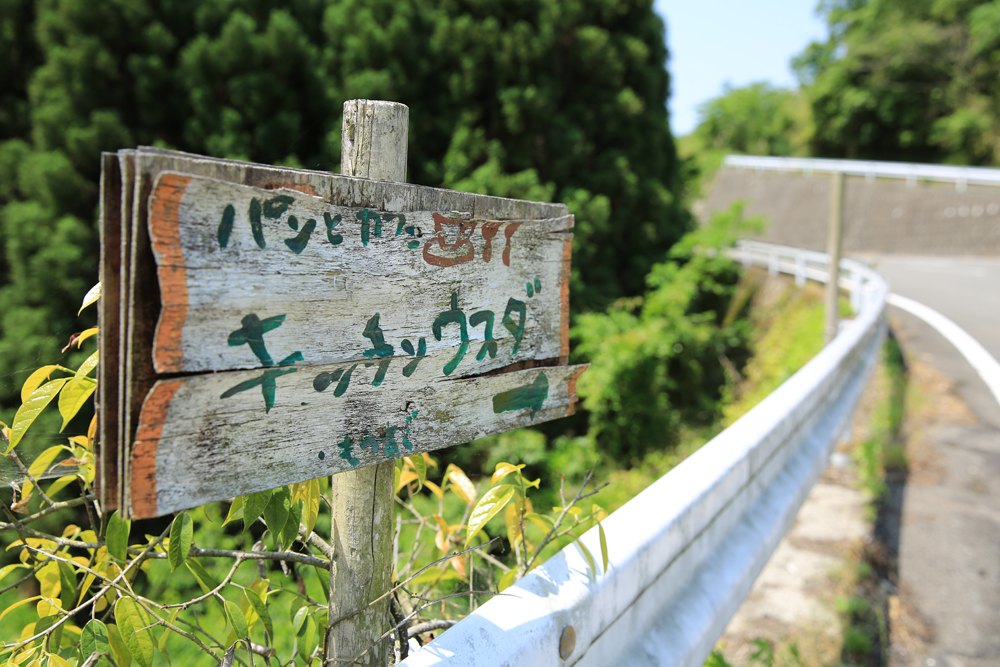
Go straight for a few more minutes and you will come to a large intersection with a guardrail. Turn right here. You will see a sign like the one above right!
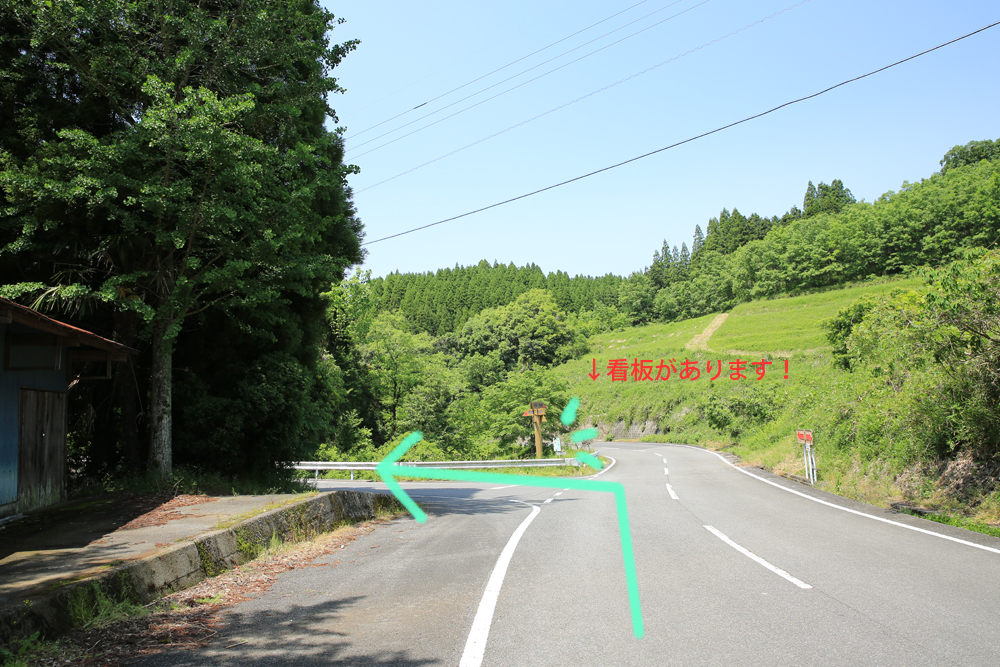
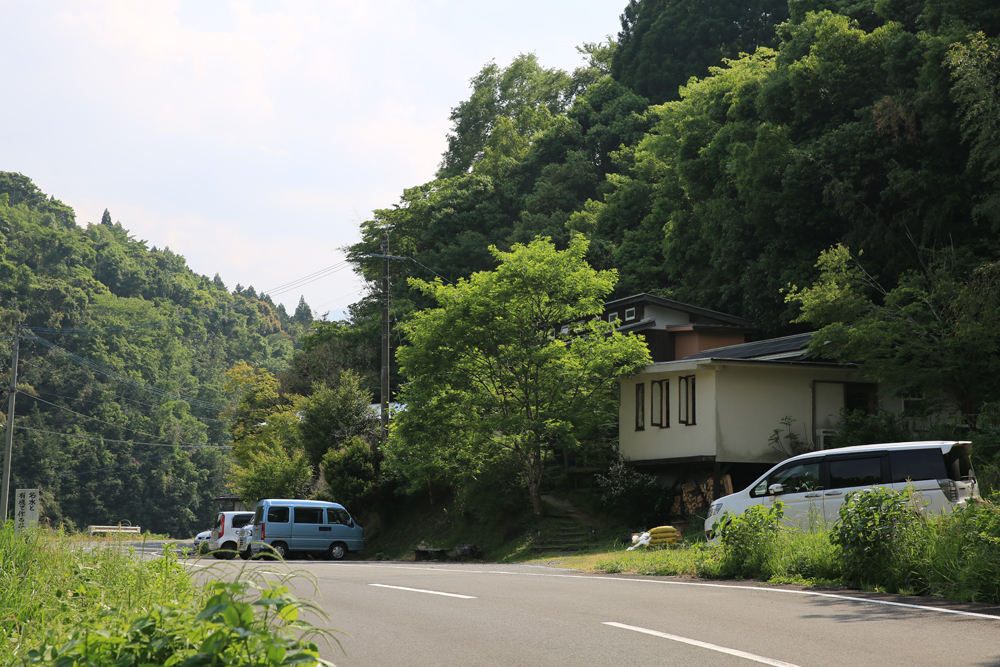
Turn right, go about 100 meters and turn left at ”Hiraishi Bridge”. There is a small signboard in the center of the intersection.
After crossing the bridge and proceeding for about 1 km, you will see a white building "Kitchen Usda Yama Cafe" on the right.
Peripheral information*.
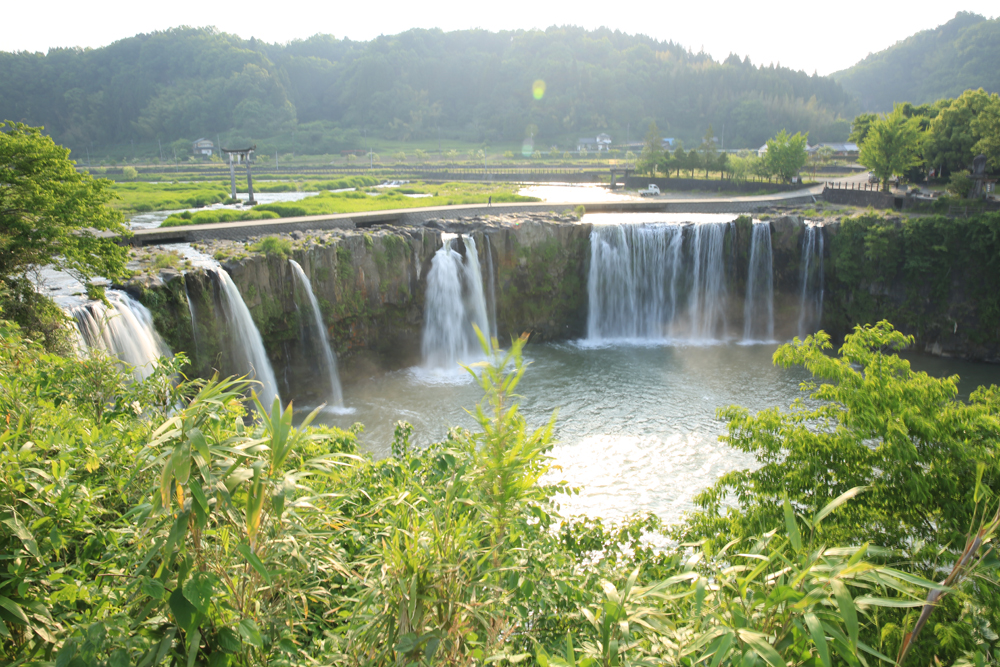
The sightseeing spot "Harajiri Waterfall" is located near the Saburo Ohashi North intersection. Please stop by when you are out and about☆.
MAP
2433 Hiraishi, Ogata-cho, Bungo-Ono, Oita 879-6624
Interview and editorial staff
Model Report: Nozomi Nakamoto
Photography and production: VOKE Ltd.