


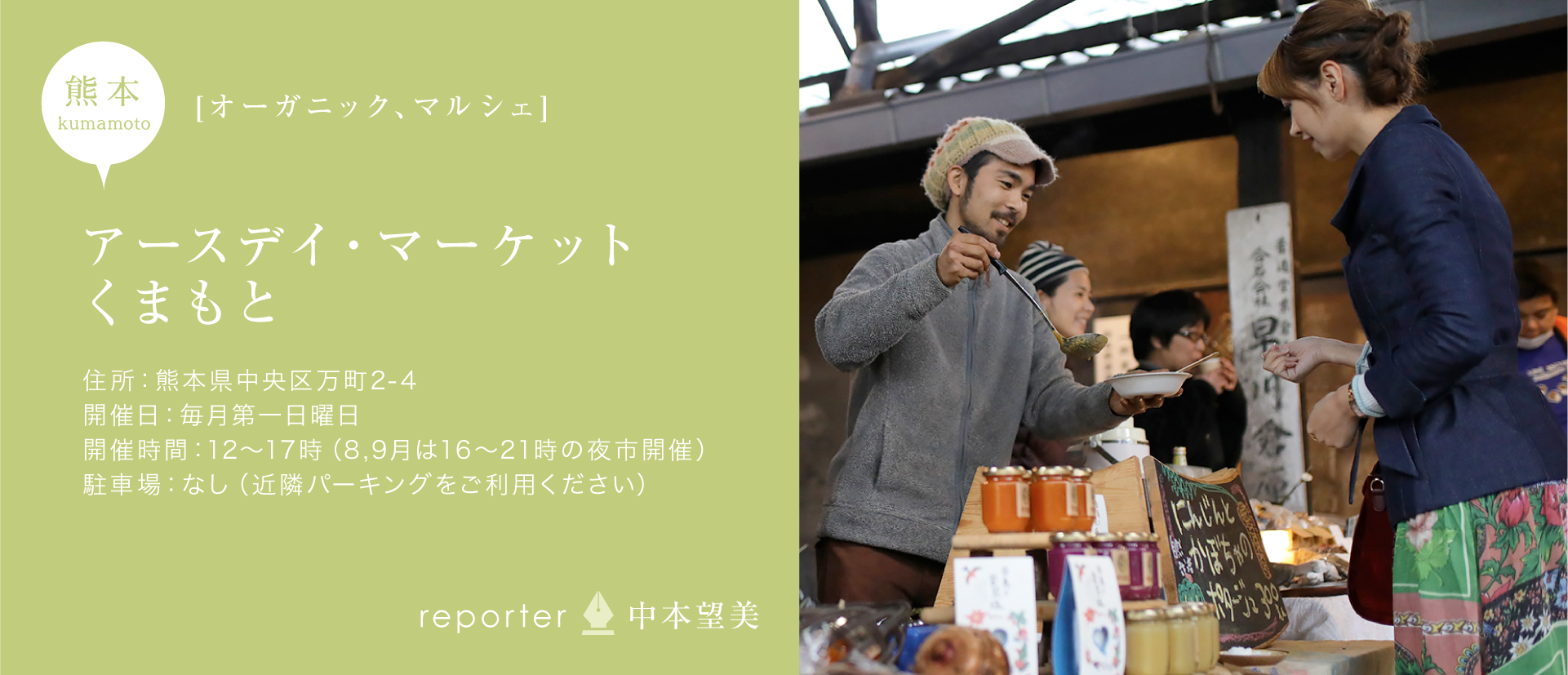

Seasonal pesticide-free vegetables, additive-free breads and sweets, additive-free seasonings, etc,
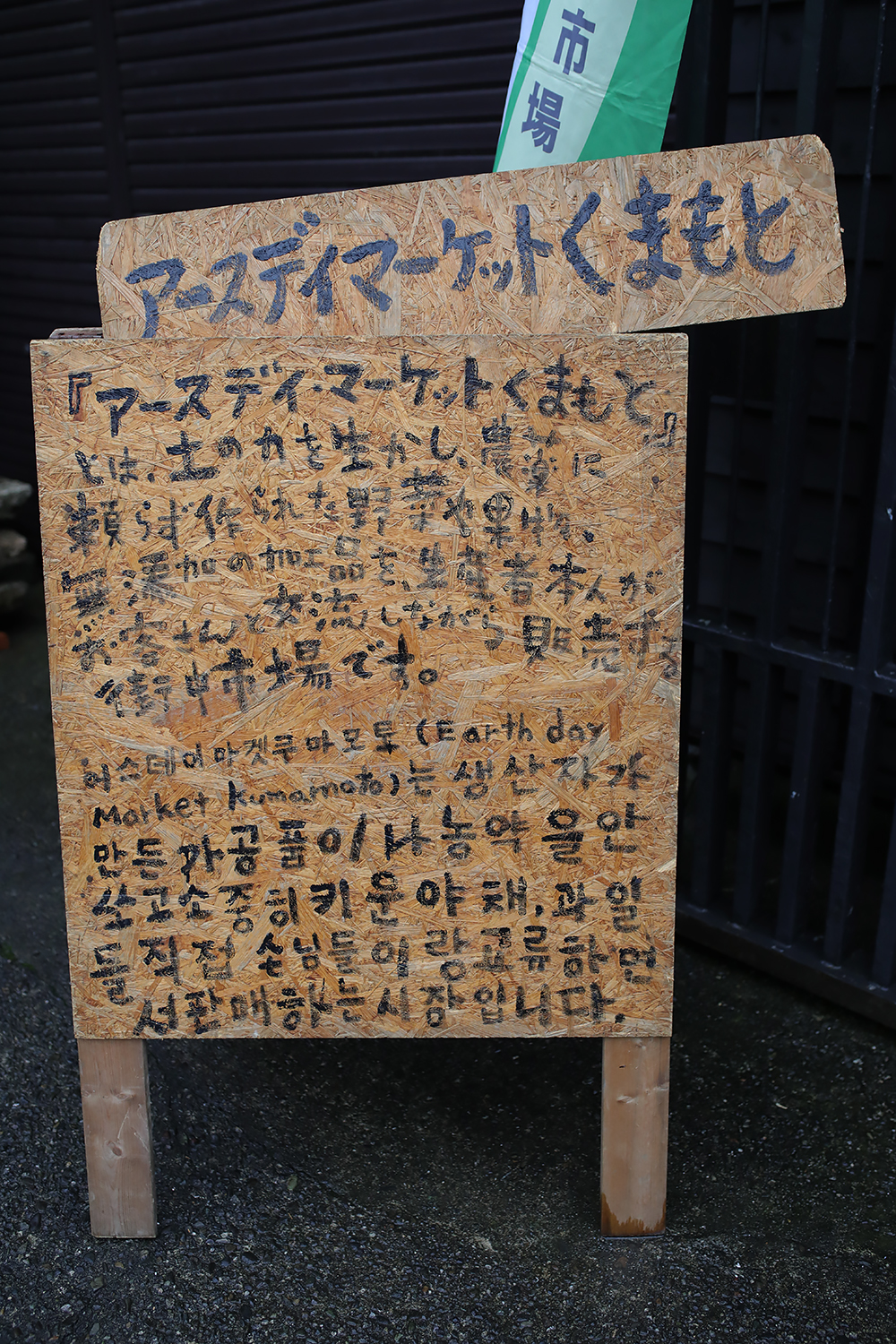
Earth Day Market Kumamoto" is a gathering of healthy foods and handmade goods for the earth and body.
By bringing the cook and the eater closer together, the everyday dining experience becomes more enjoyable.
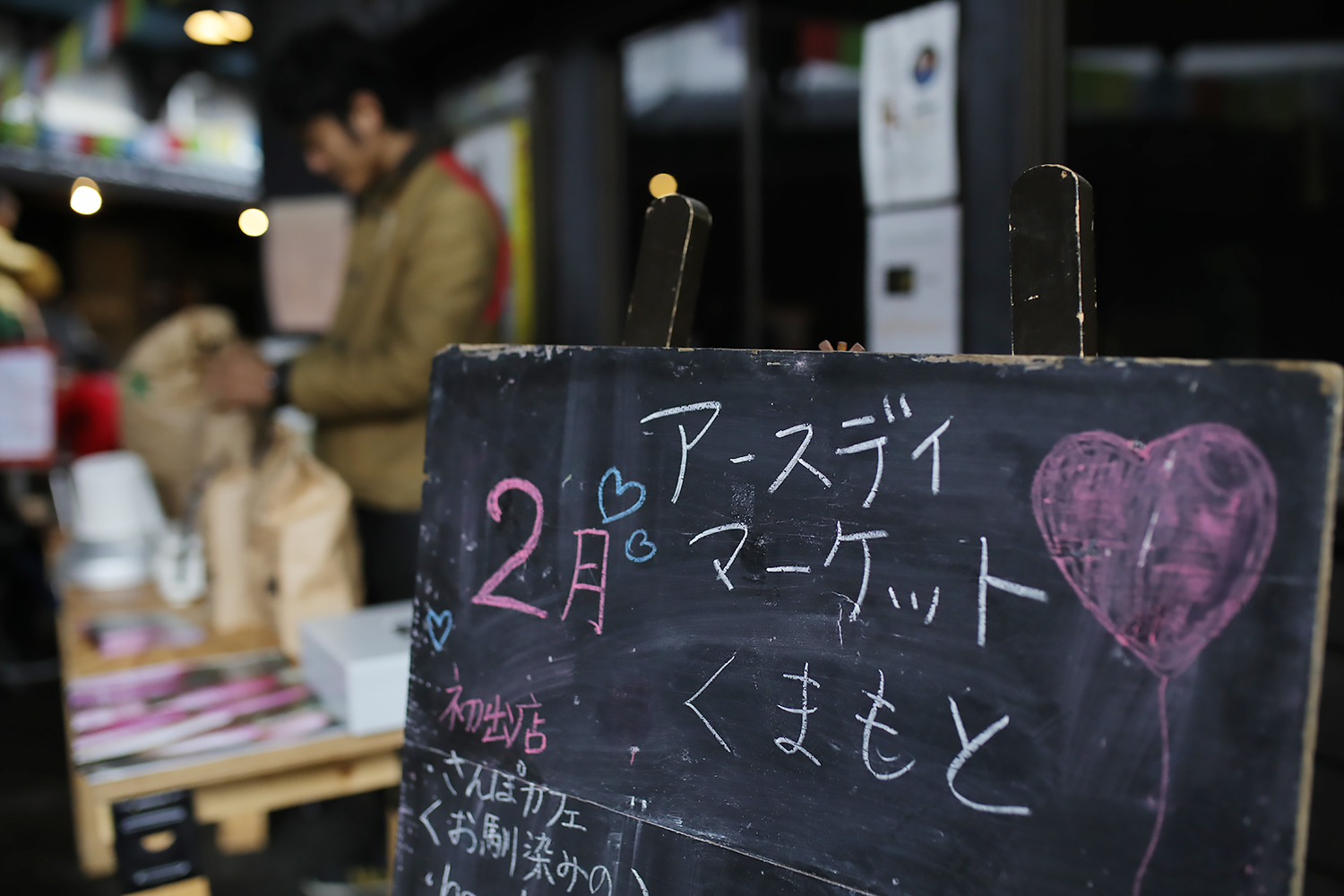
Prologue Once a month, a place where producers and consumers meet
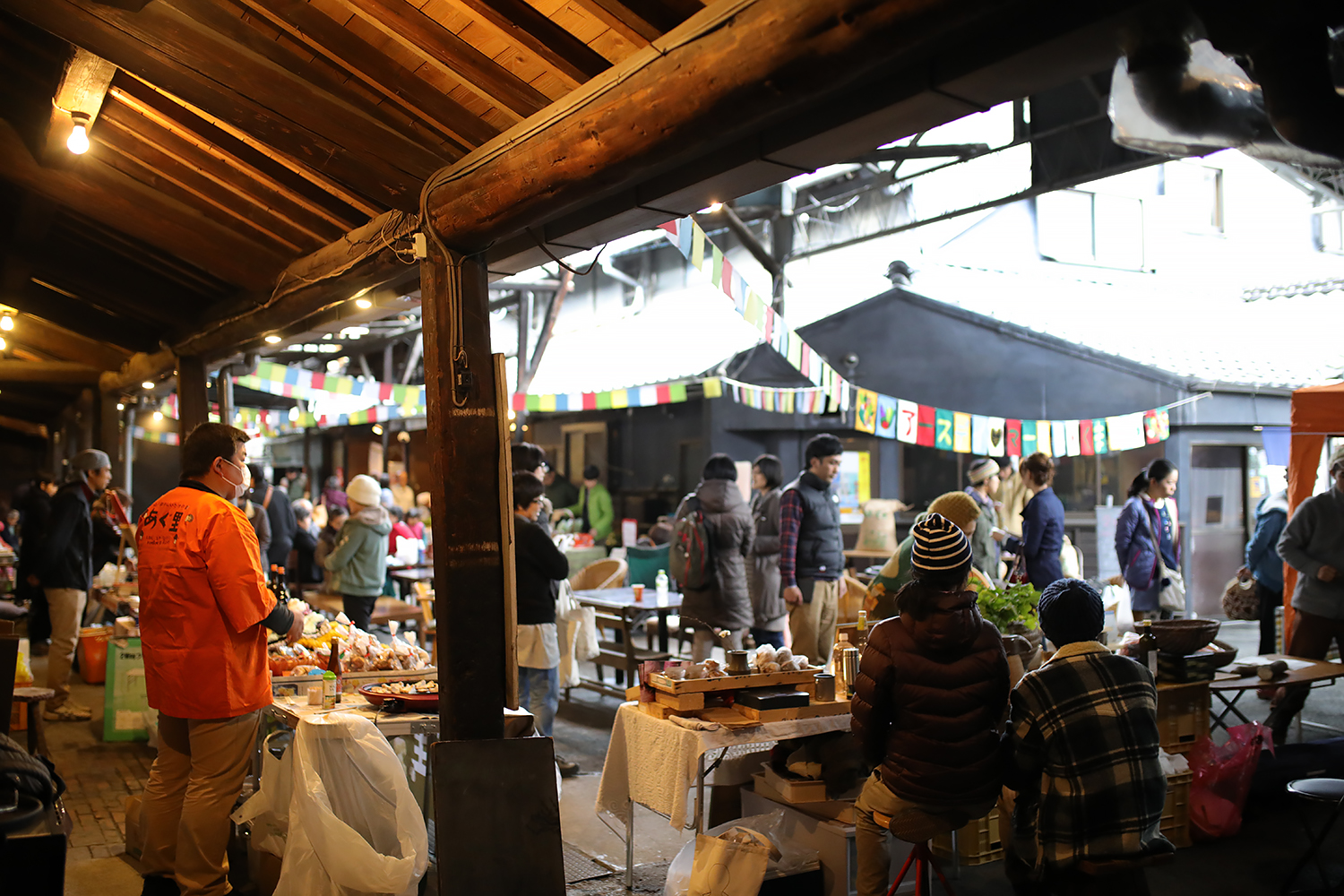
If there is an opportunity to match the wishes of farmers who sincerely produce and sell healthy and safe food with the wishes of producers who are highly conscious of food, for example, to protect the health of their families and children and to improve beauty, the joy and spiritual richness of everyday dining and living will spread even more. If there is an opportunity to match them with each other, it will bring even more joy and enrichment to daily dining and life.
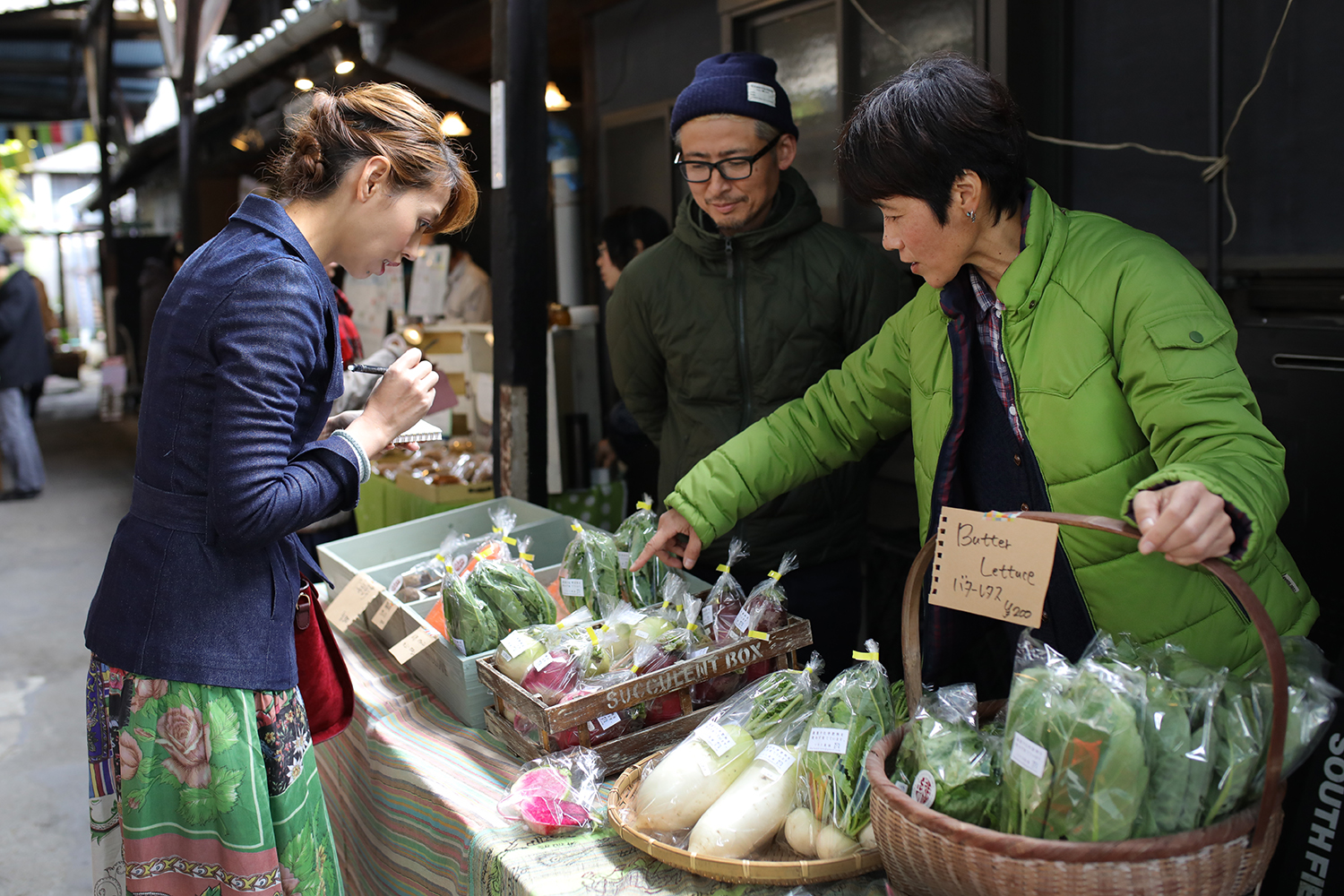
This "Earth Day Market Kumamoto" is held only once a month in a space called "Hayakawa Soko," a 130-year-old former sake brewery. Food conscious people who wish to match their own wishes gather together, discussing the vegetables sold among producers, eating dishes in which their own vegetables are used, and there are consumers who always come to seek food from the producer they are looking for every time, showing not only the vertical and horizontal connections, but also the immeasurable expansion of these connections over time. The event was expanding beyond the vertical and horizontal connections.
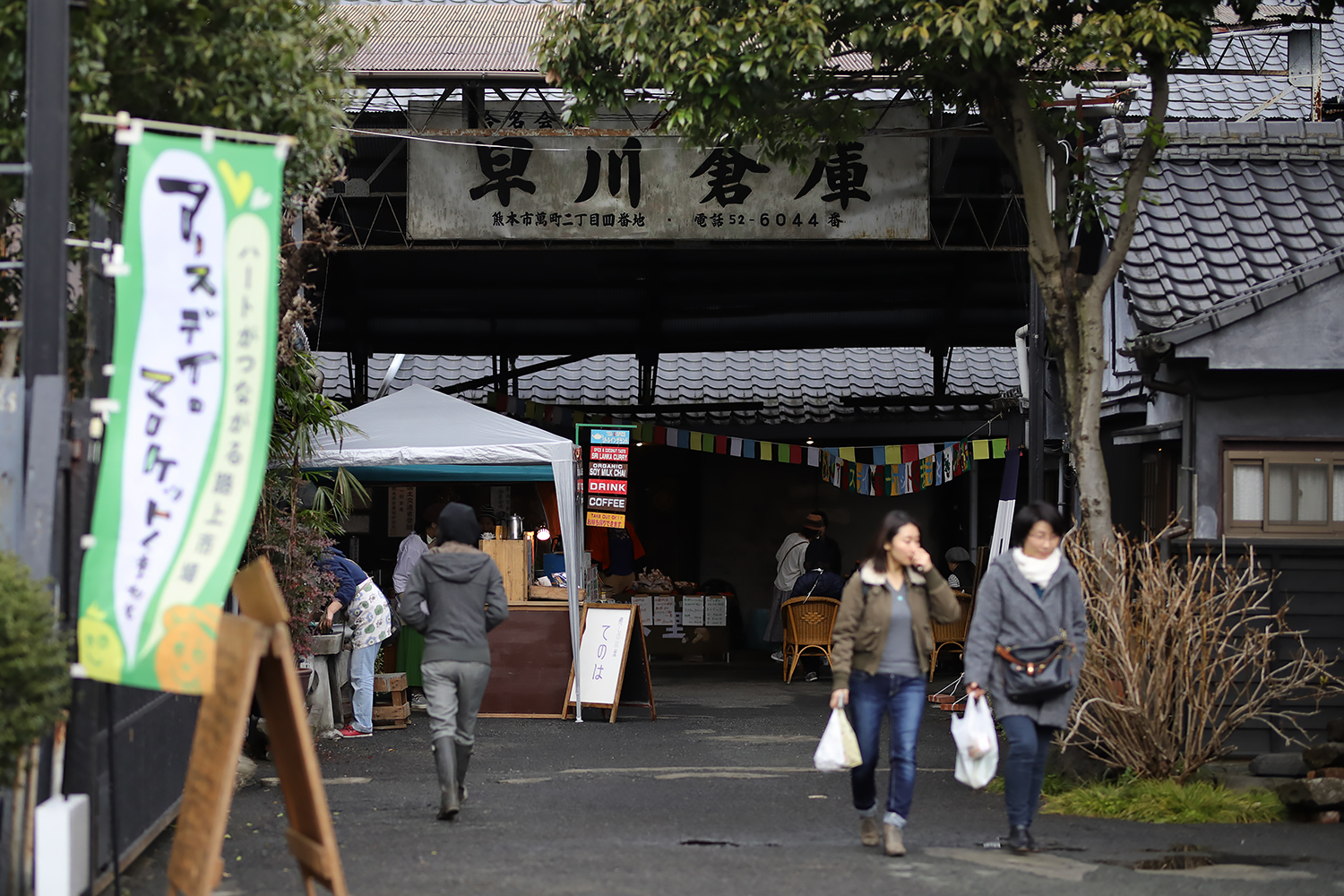
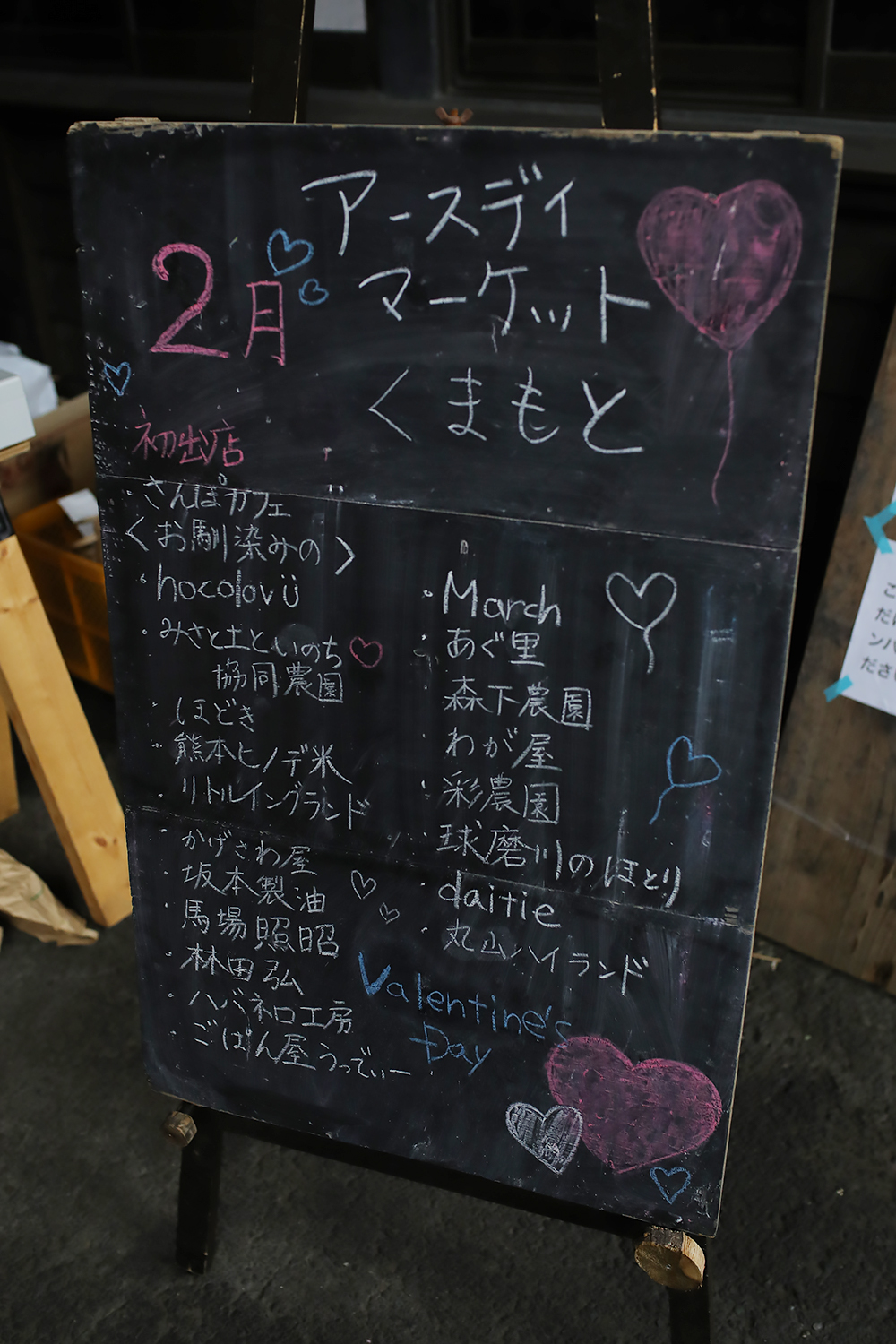
In this report, we introduce the market held on February 3, 2017, and speak with Kenta Mori, President of the Japan Rice Association, who serves as its representative, about the market's initiatives.
What is "Earth Day Market Kumamoto"? Attraction of the Event
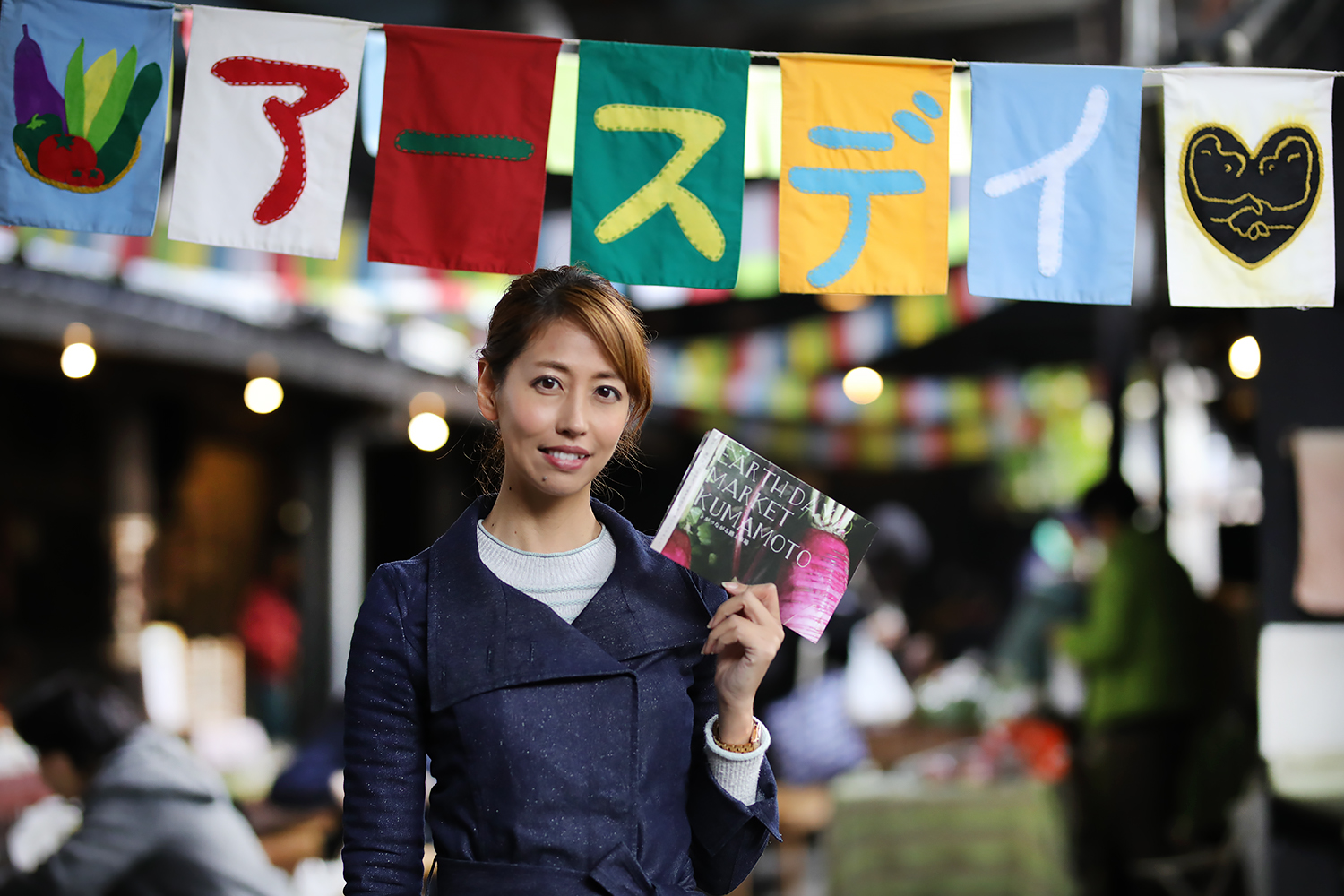
This year marks the ninth year of the market, which started in 2009 with the aim of "creating a meeting place for producers and consumers. Fresh produce grown naturally and organically without pesticides or fertilizers, sweets and raw food made from these ingredients, and bread made with homemade natural yeast are just a few of the items that are sold directly by the producers at this market.
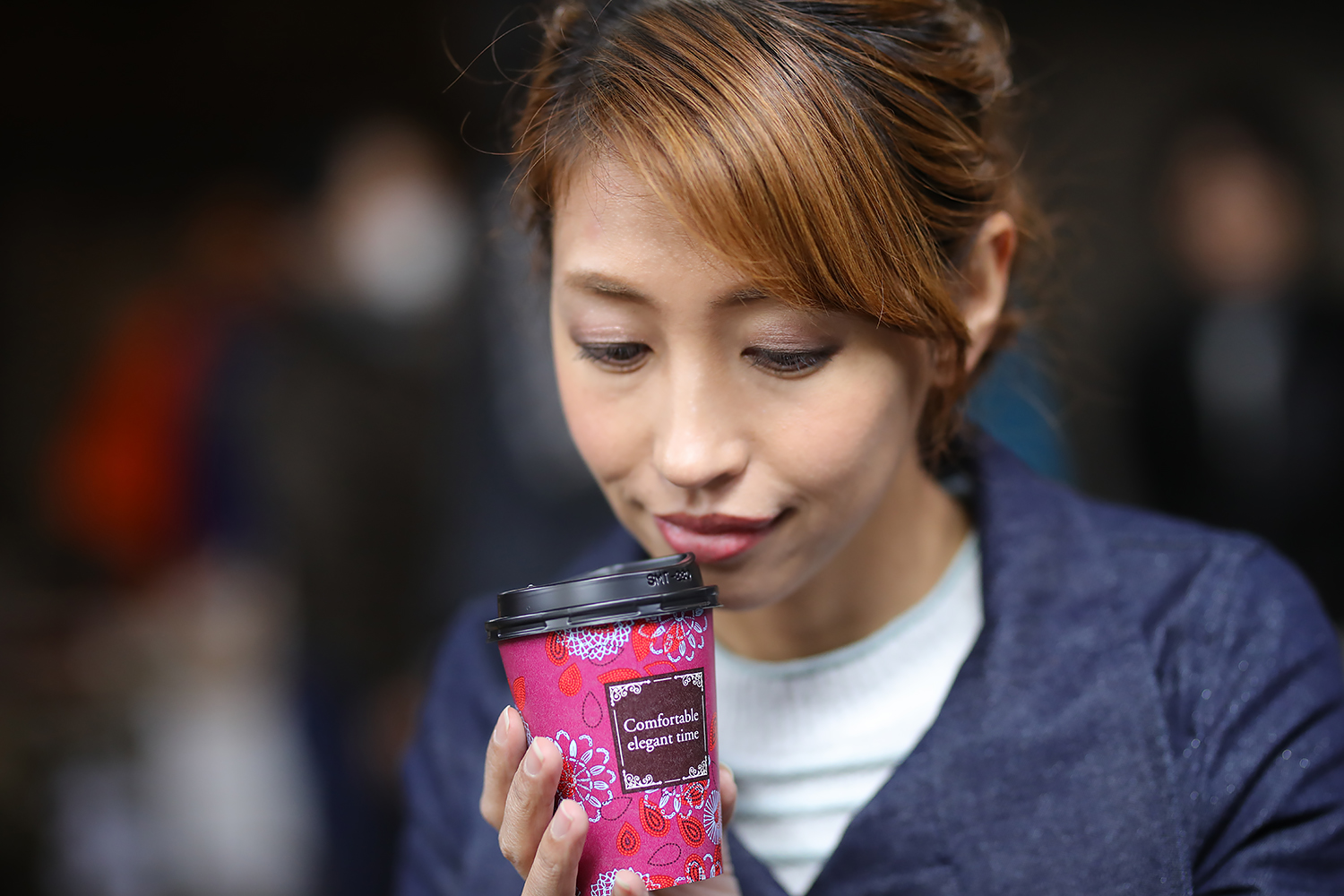
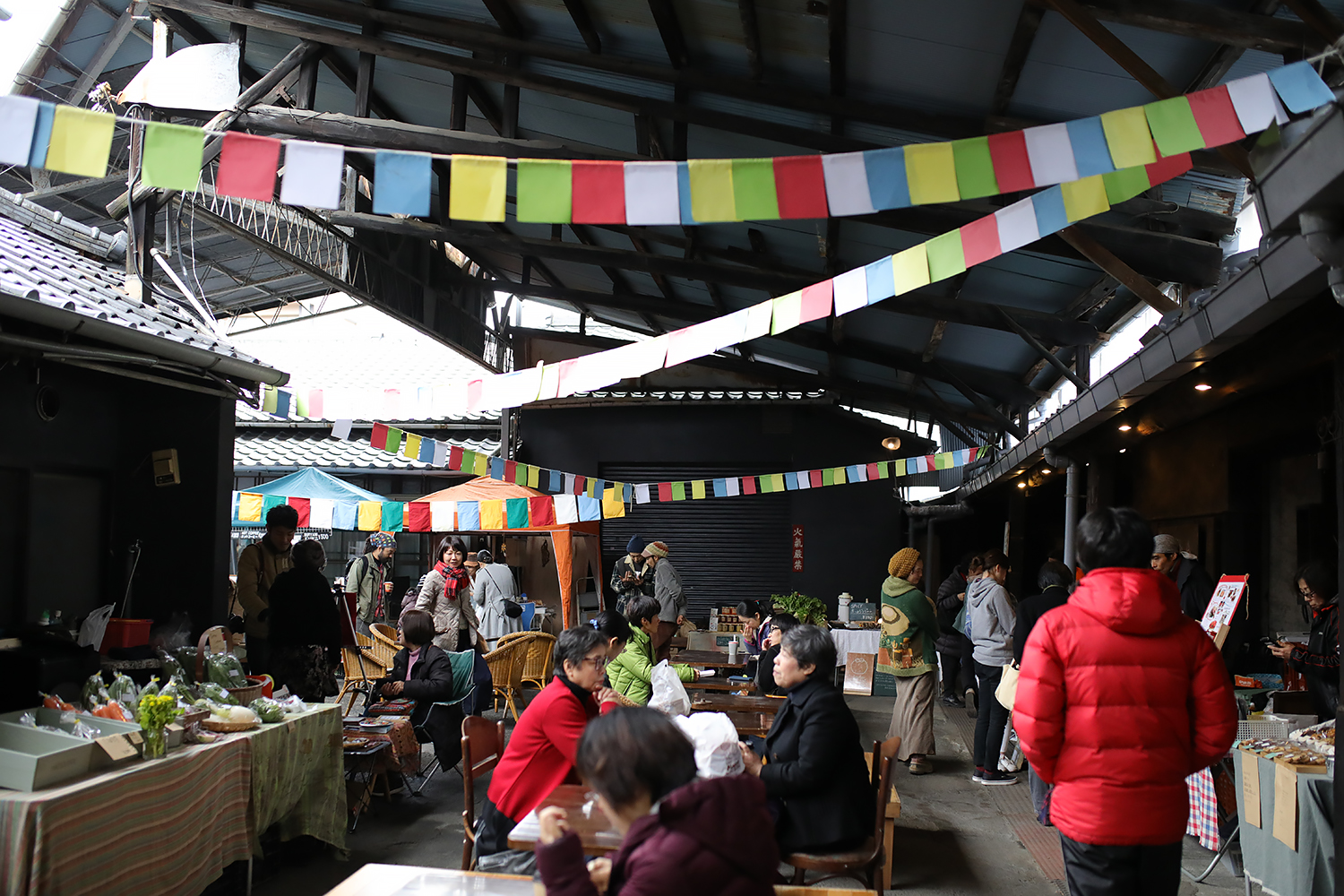
The most attractive point is that visitors can buy the products with peace of mind while listening to the real voices of the producers. It is surprising to learn that the majority of the producers are from outside of the prefecture who have moved here in search of safe and secure food and lifestyle.
Organic agriculture is a word that can be used to describe a variety of production methods, and it is difficult for the average consumer to know, for example, "What processes and techniques were used to create this product?" and other such questions are not readily apparent to the average consumer. However, by buying directly from the producer, we can ask "Who makes it? What are their thoughts? and "What are their thoughts?
Market Picks up vendors and introduces them
Some were customers at first, others learned about the market through acquaintances. Many people visit the market every month without fail, seeking the connections and encounters they make at that time.
stroll cafe
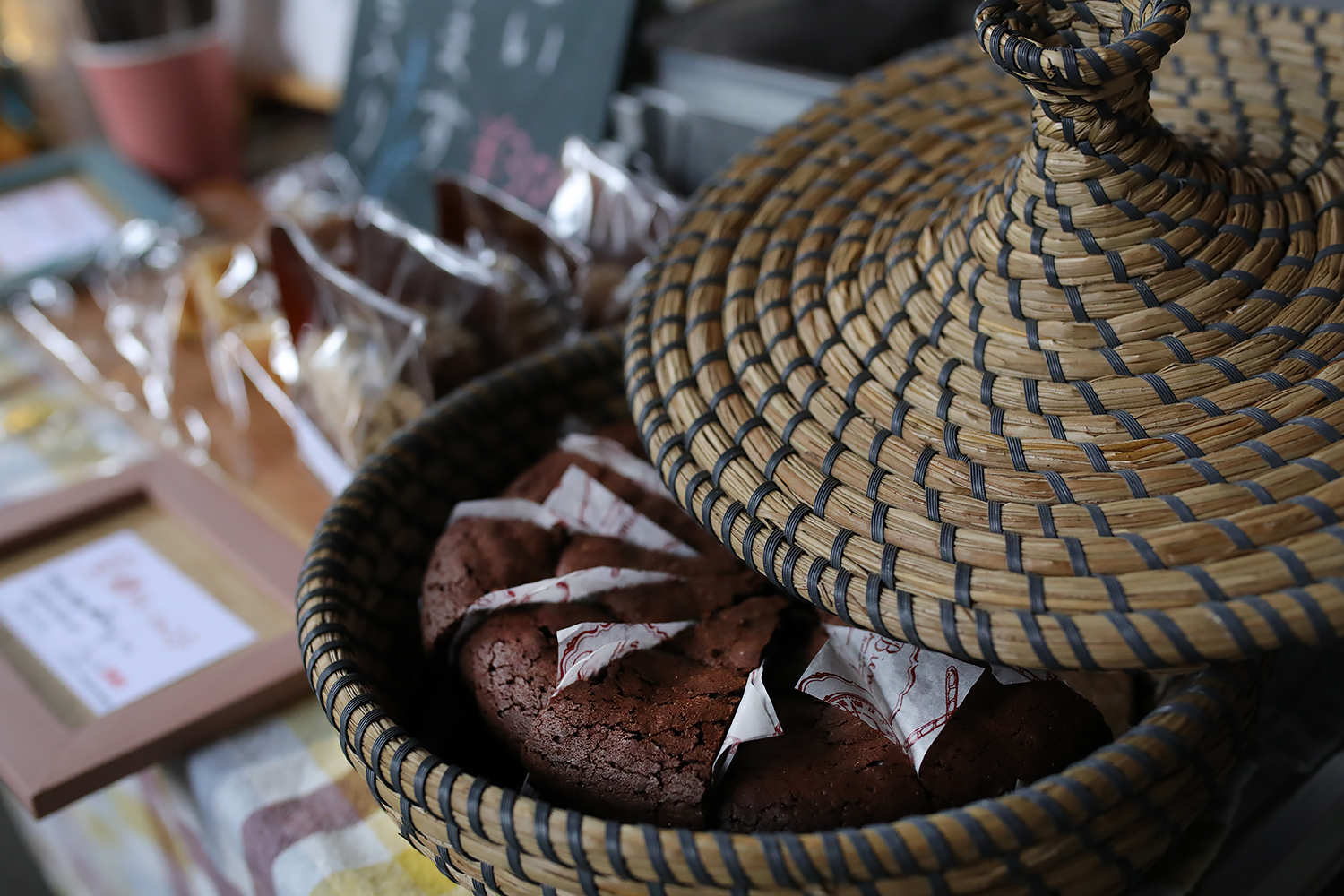
This is the first ”Sanpo Cafe” to open in Hitoyoshi City. Haruka Urakawa, the representative of the cafe in Hitoyoshi City, is also a nutrition education instructor and offers medicinal herbs and other dishes on the menu. At the market, ”Vegan Sweets,” organic "off sweets" that do not contain white sugar or dairy products, and "on sweets" that are rich in egg and dairy products, as well as drinks, etc. are sold. The store sells organic "Vegan Sweets," which are free of white sugar and dairy products.
Healing Hut Tenoha
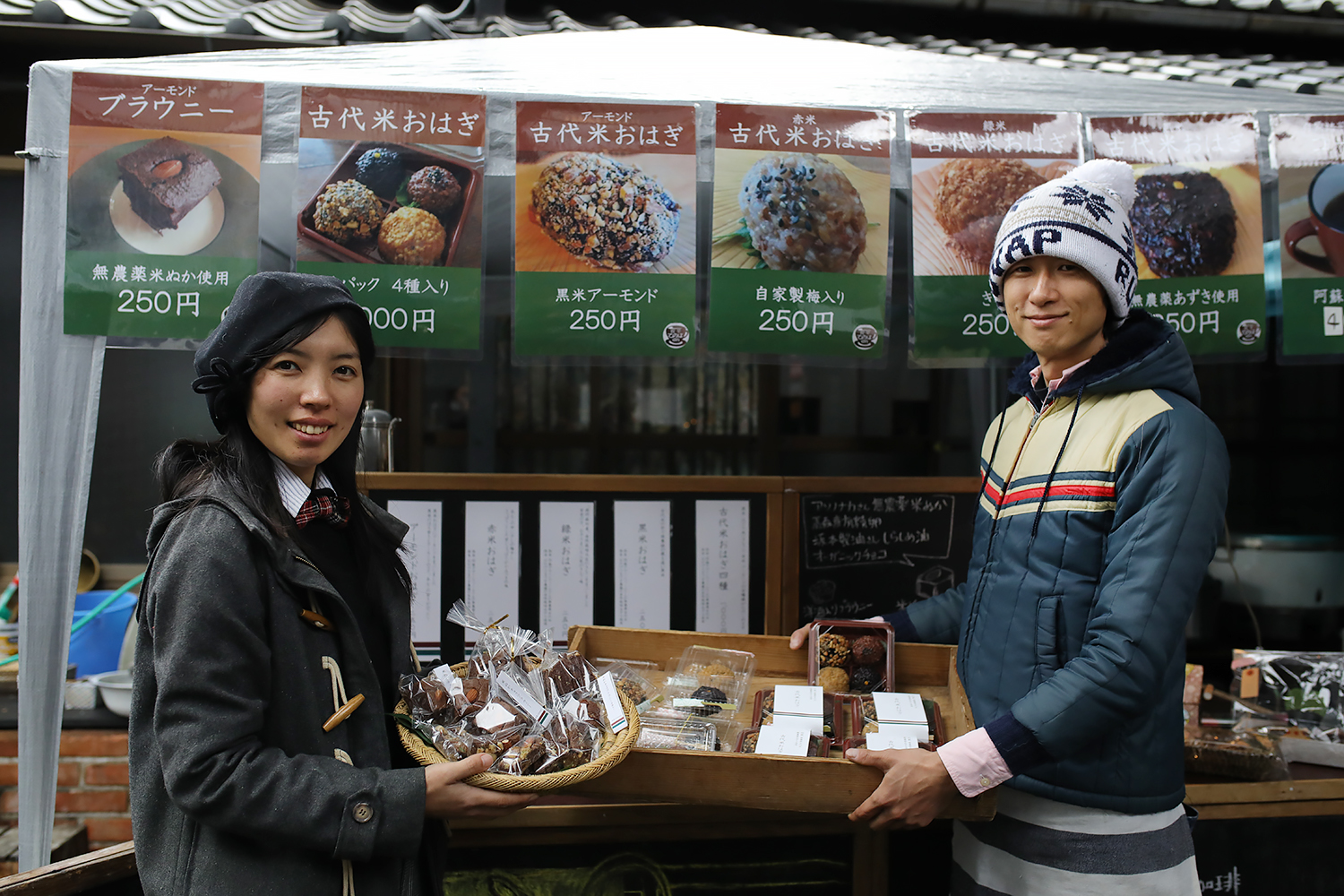
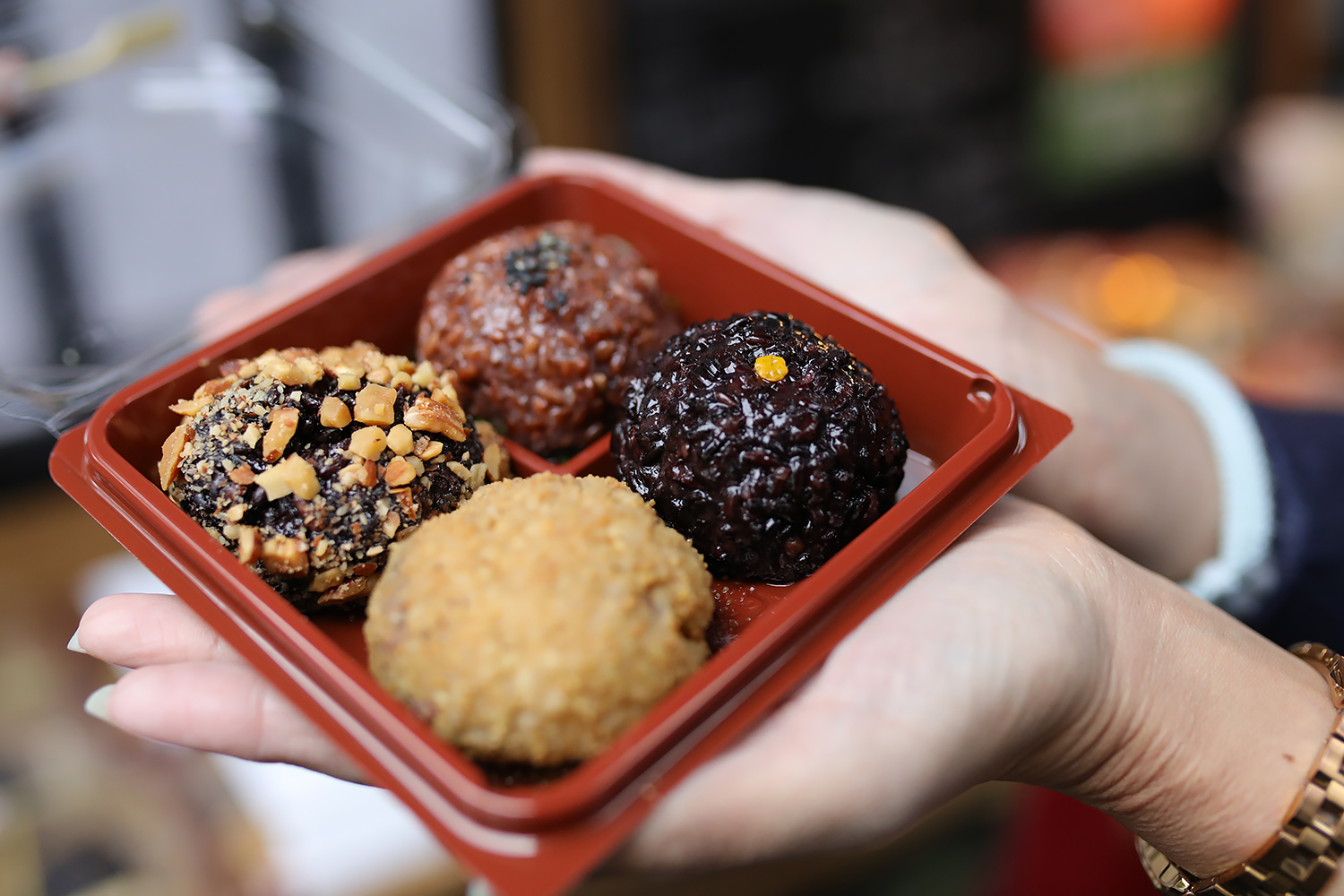
A store with a healing salon and cafe in Takamori-cho. Ohagi made with ancient Aso rice grown without pesticides and azuki beans burned with spring water from Takamori are popular. There are four types of o-hagi: kinako o-hagi made with black and green rice, black rice and almonds, and ume o-hagi made with red rice. The azuki beans are also cooked differently to match the flavor of each rice.
Little England
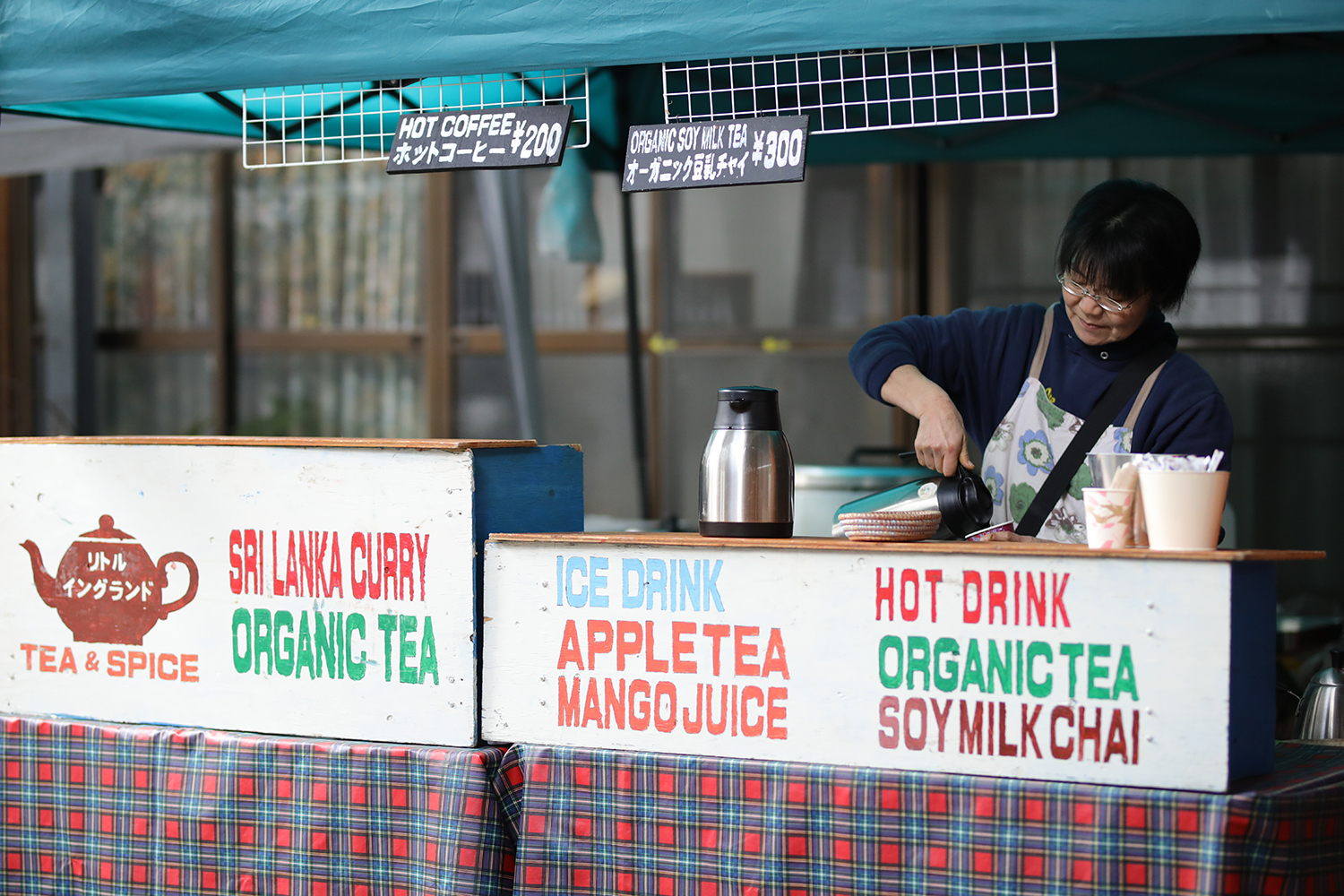
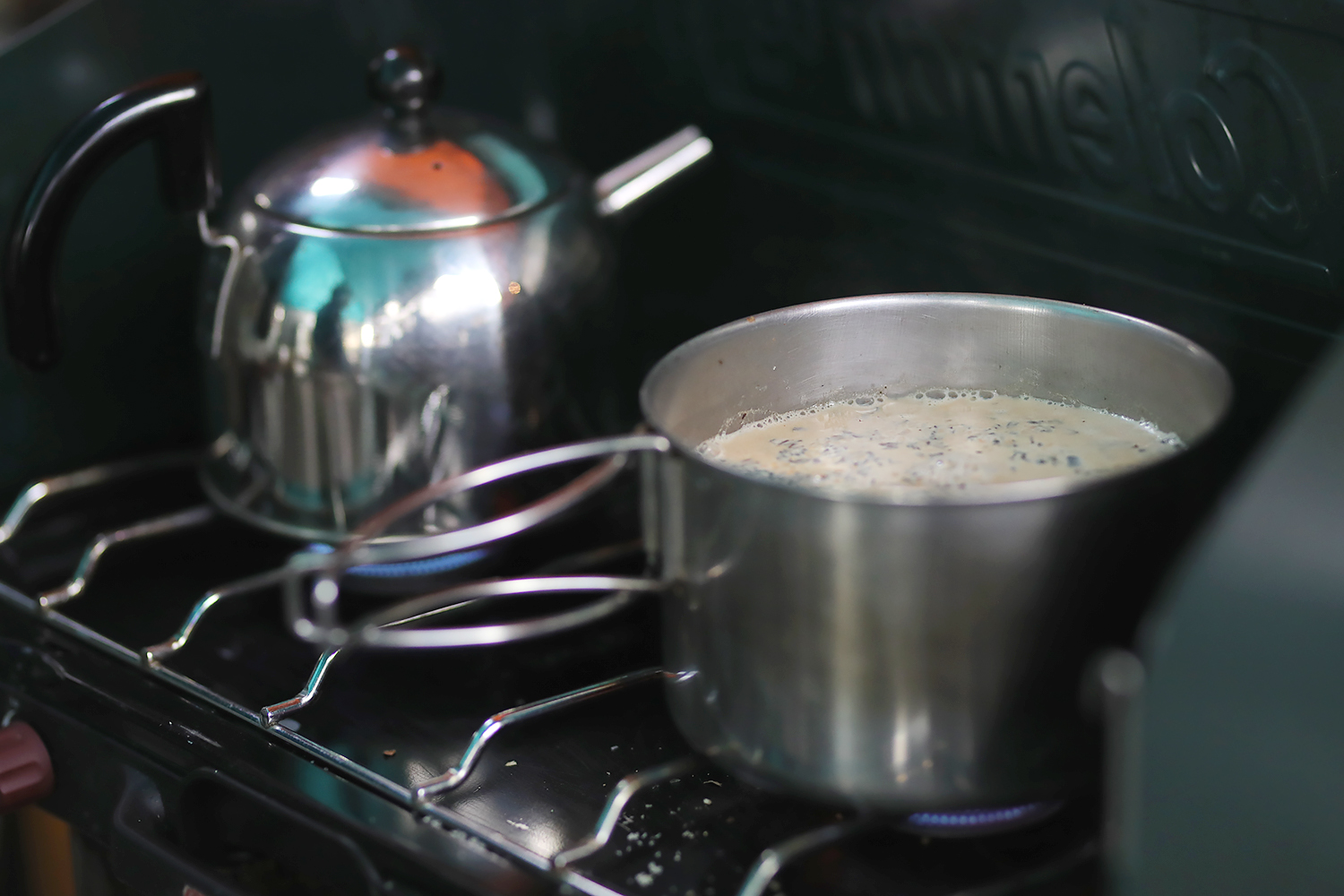
The company is an importer and wholesaler of spices and wants to convey the taste of tea, so they open a store only at events. They offer spiced organic curries, a variety of teas, and hot drinks. The chai is made with soy milk to make it drinkable for those with allergies, and the menu, which appeared only at the event, was sold out early on.
reed bunting (Emberiza schoeniclus)
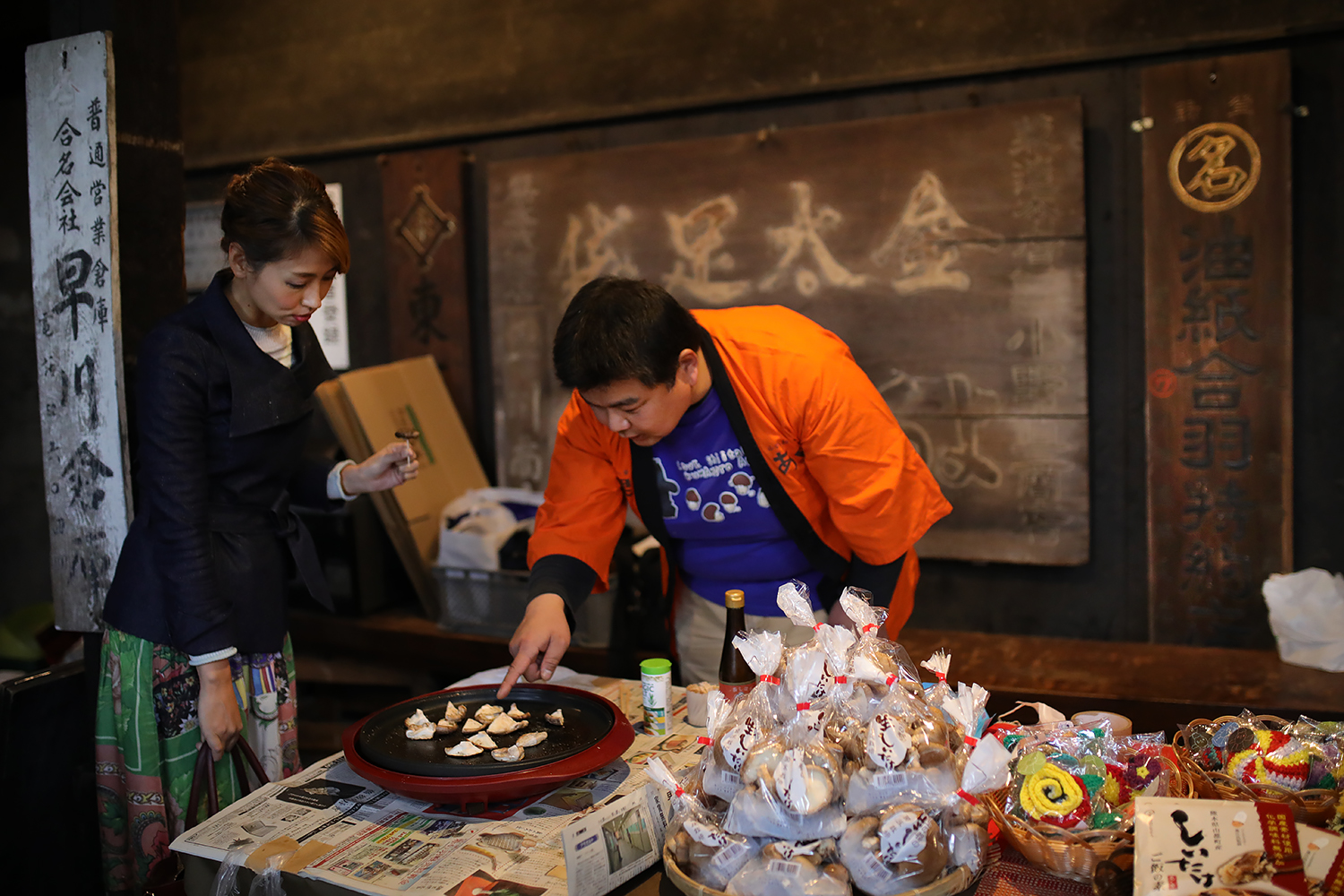
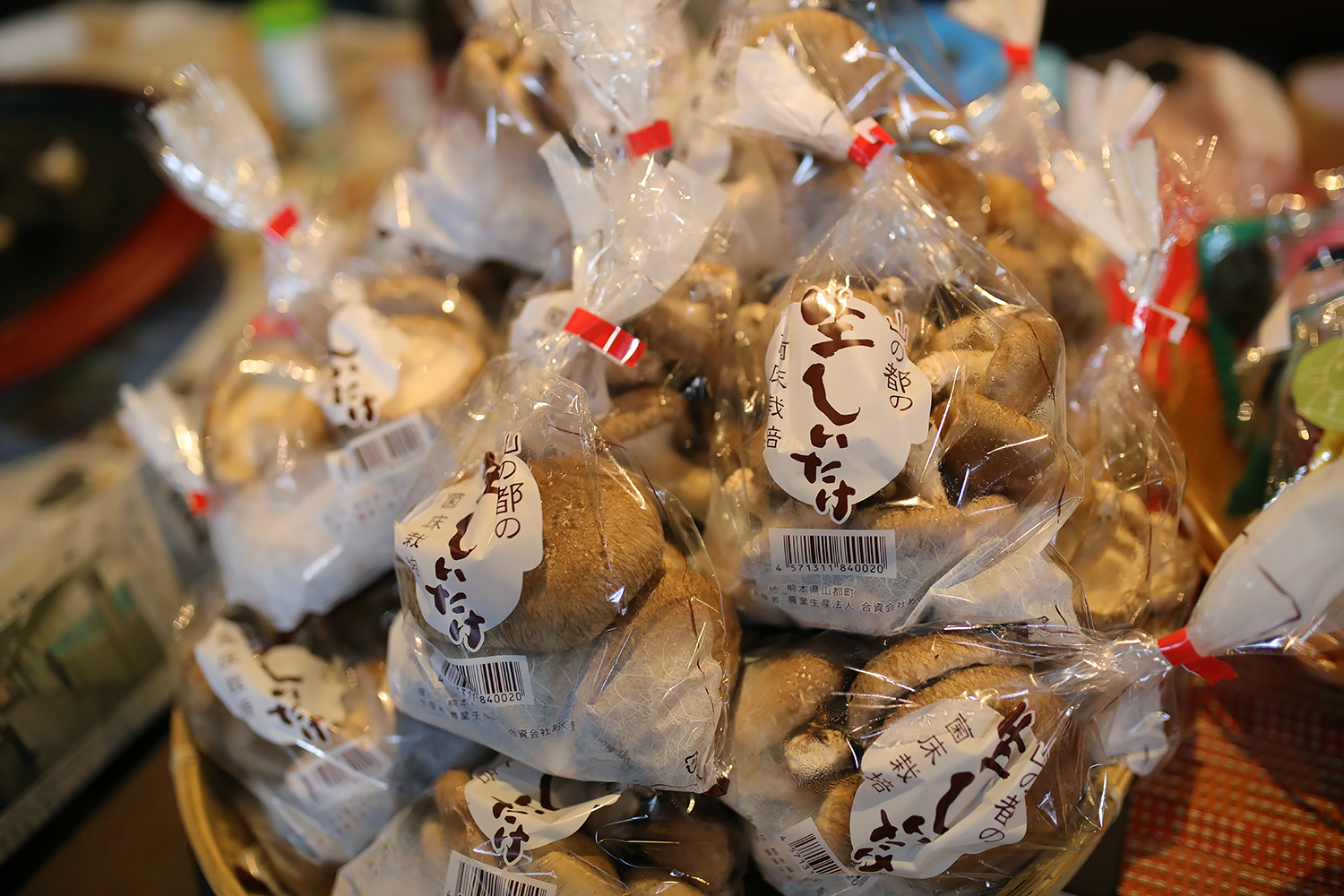
A mycorrhizal shiitake mushroom production facility located in Yamato Town. The shiitake mushrooms are grown at an altitude of 650 meters above sea level, so they are thick and fleshy even in summer. The shiitake mushrooms are grown using an original cultivation method that draws water from deep underground, and are characterized by their plump texture. The recommended way is to cook them slowly on a griddle with the "umbrella" part down. They are ready to eat when droplets of water begin to appear on the surface. You can eat as much as you like with salt, garlic oil, or any other seasoning you like.
dai tai
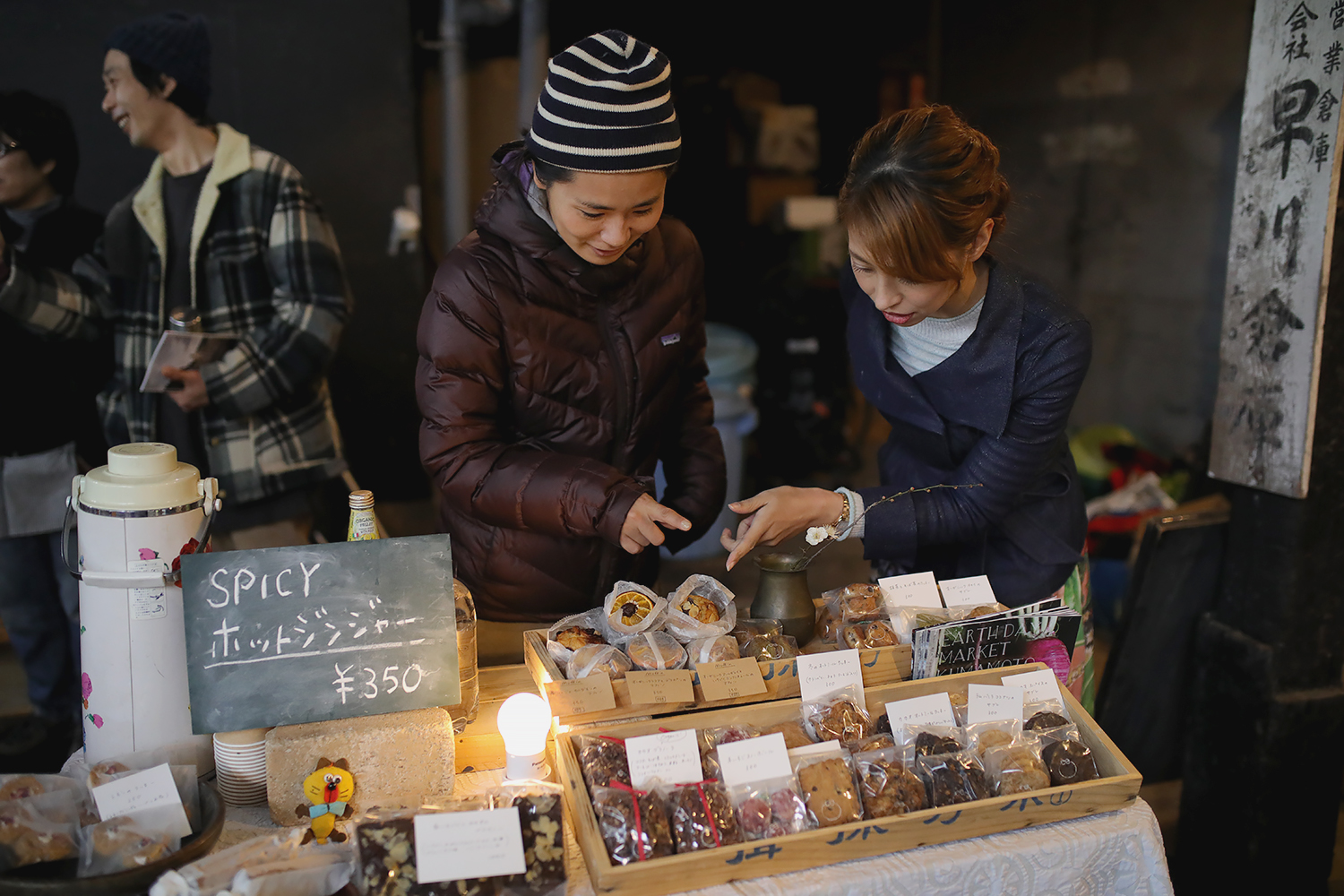
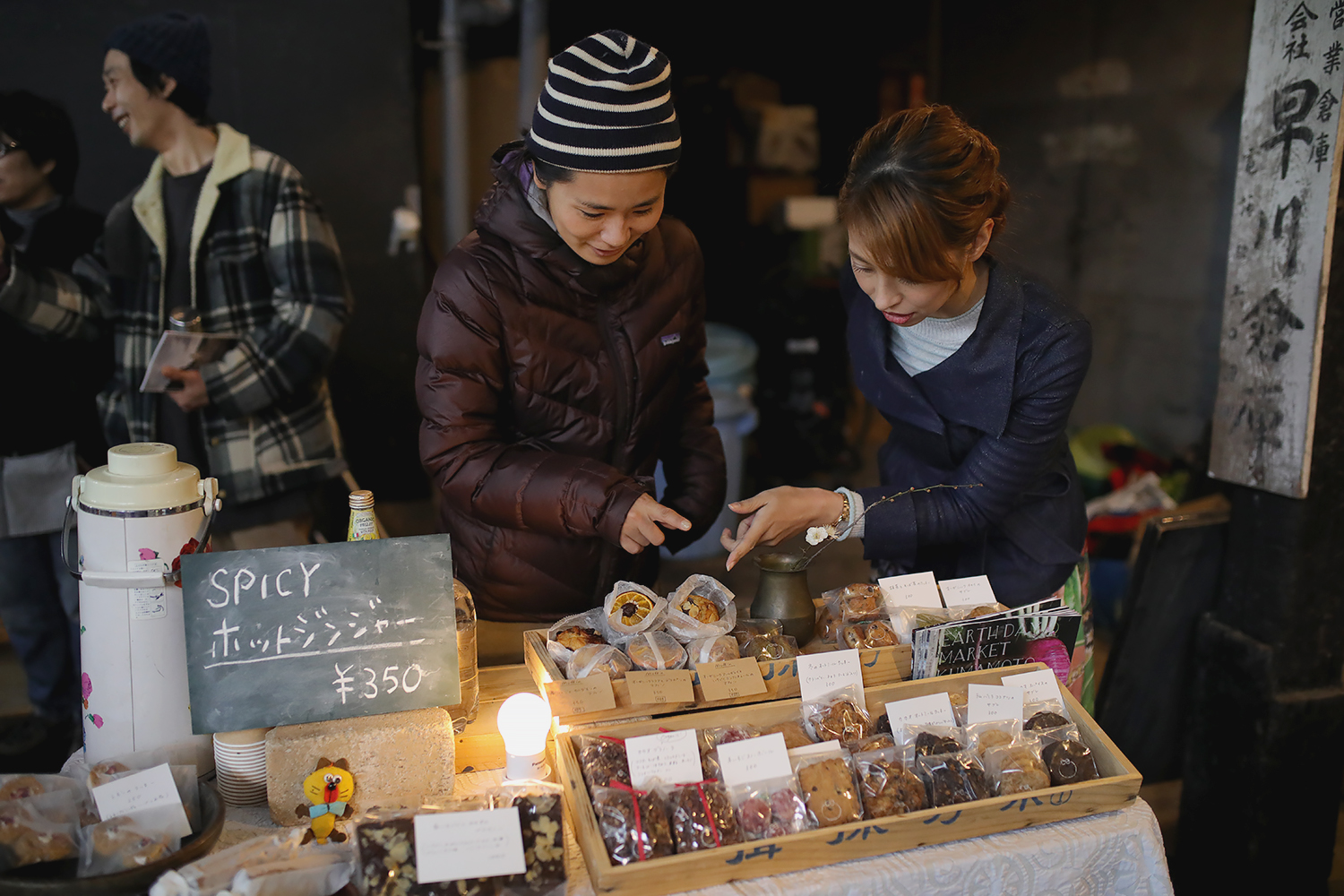
She is an organic sweets artist who does not have a ▲shop, but sells only at events. She was originally a sales representative in Tokyo, but moved to Kumamoto after the Great East Japan Earthquake for food safety reasons. She has refined her sweets as a hobby after becoming self-sufficient, and has many fans who come for her safe and secure sweets made with organic cocoa, Earl Grey, and Kumamoto ingredients, without using dairy products.
Tomosaku Farm
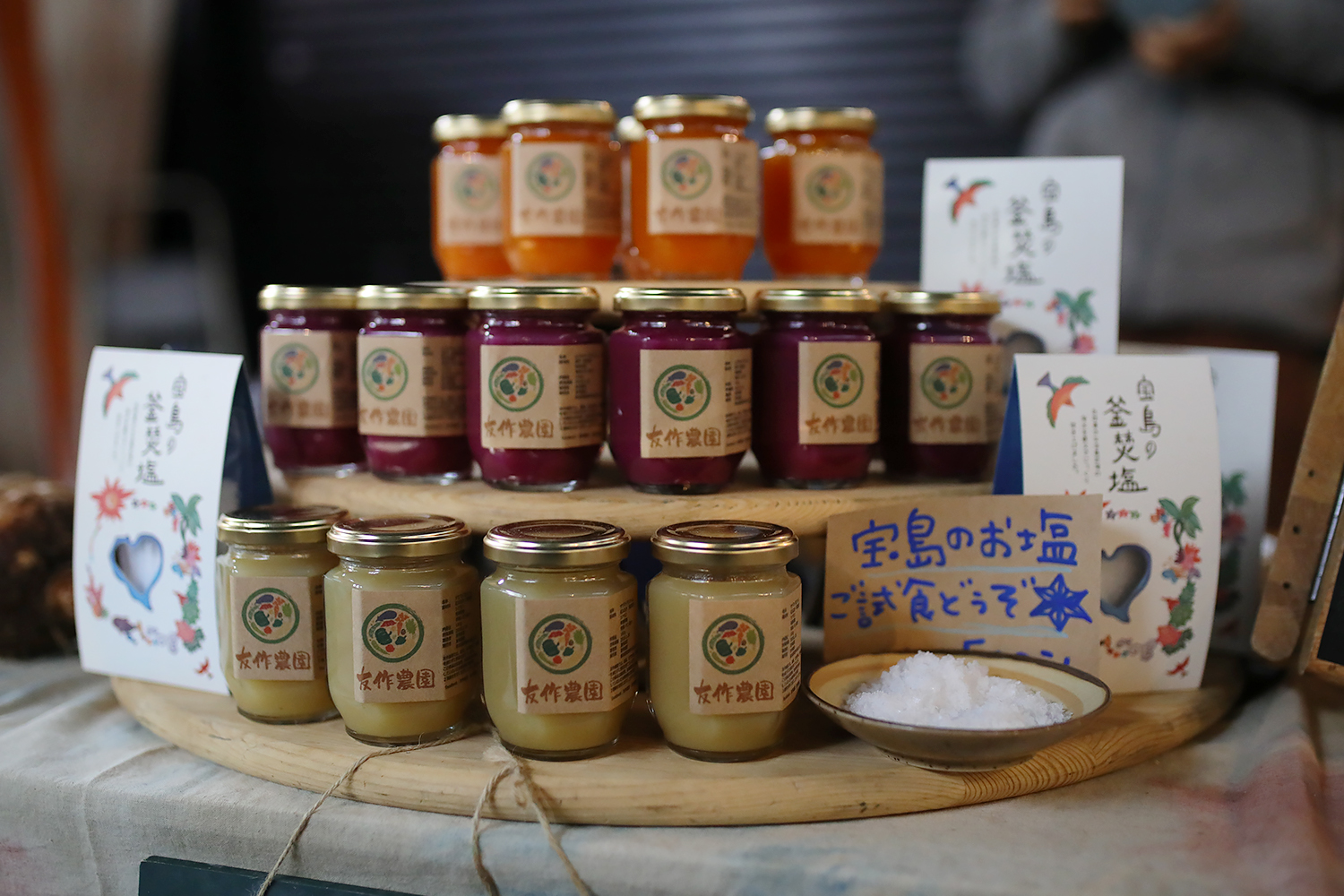
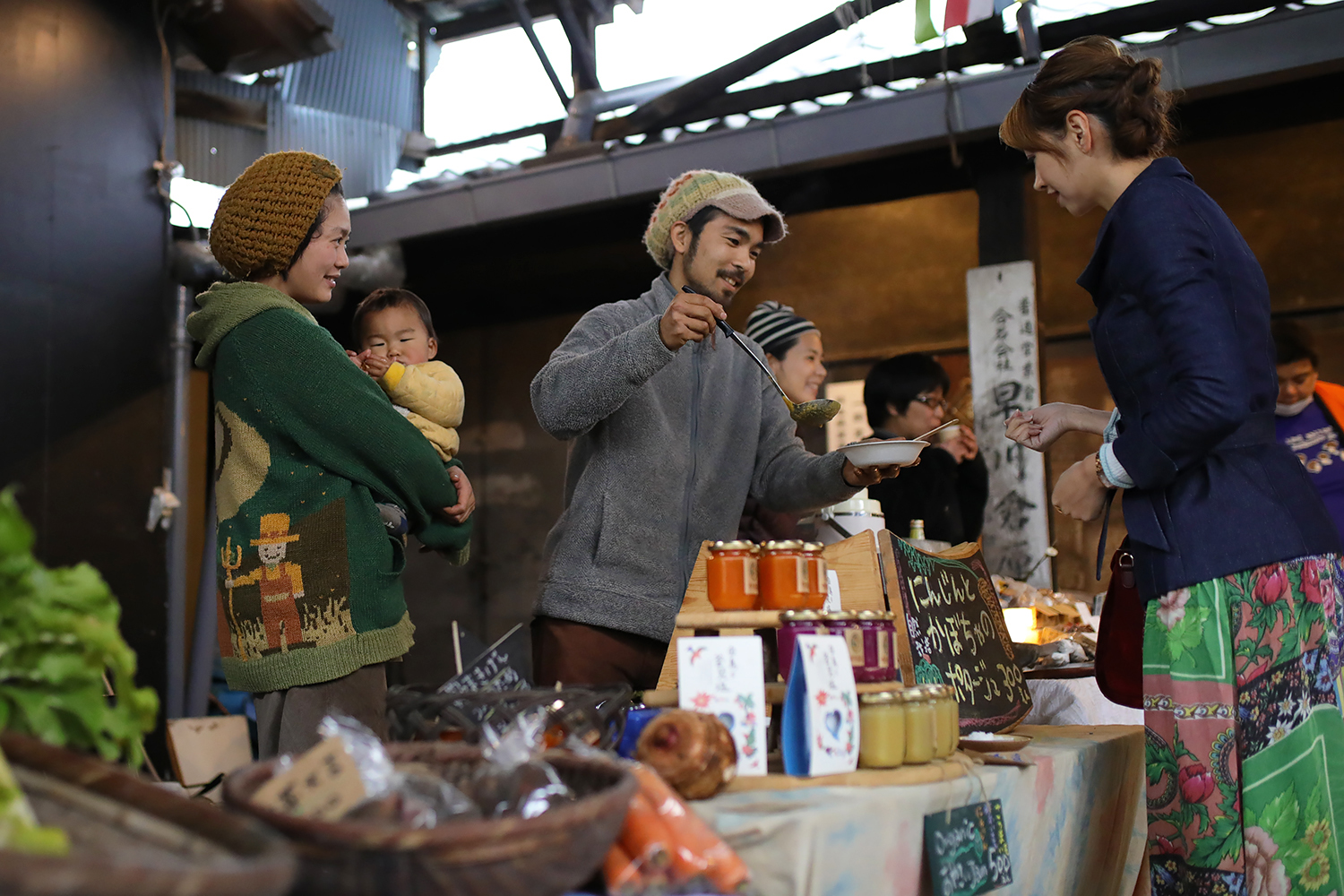
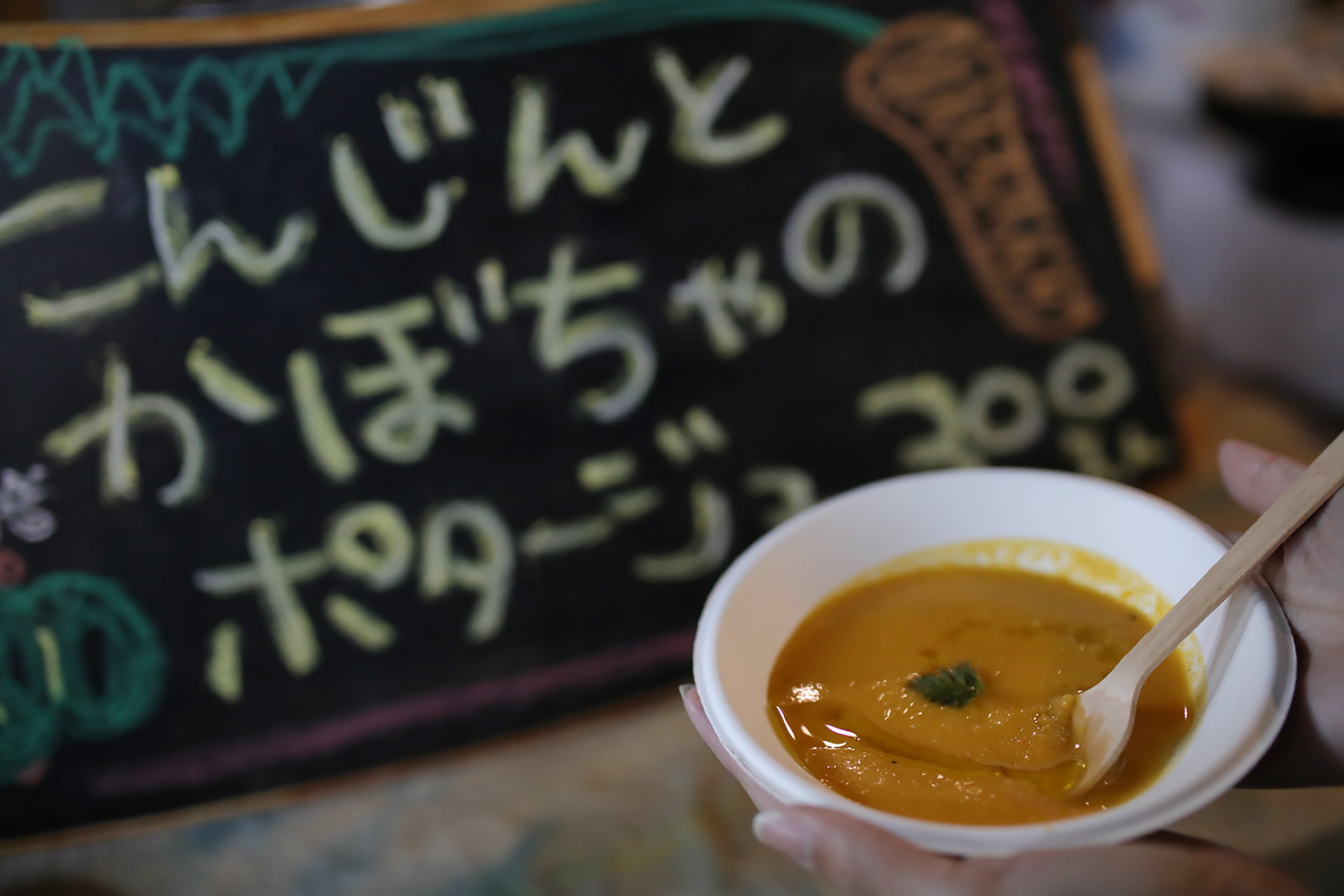
A farm run by a family who moved from Osaka to Kumamoto to live a self-sufficient rural lifestyle. They sell seasonal vegetables picked without pesticides, as well as jams made from vegetables and fruits. On the day of the event, potage soup with the sweetness of pumpkin was also offered, warming the hearts and bodies of visitors.
Natural Yeast March
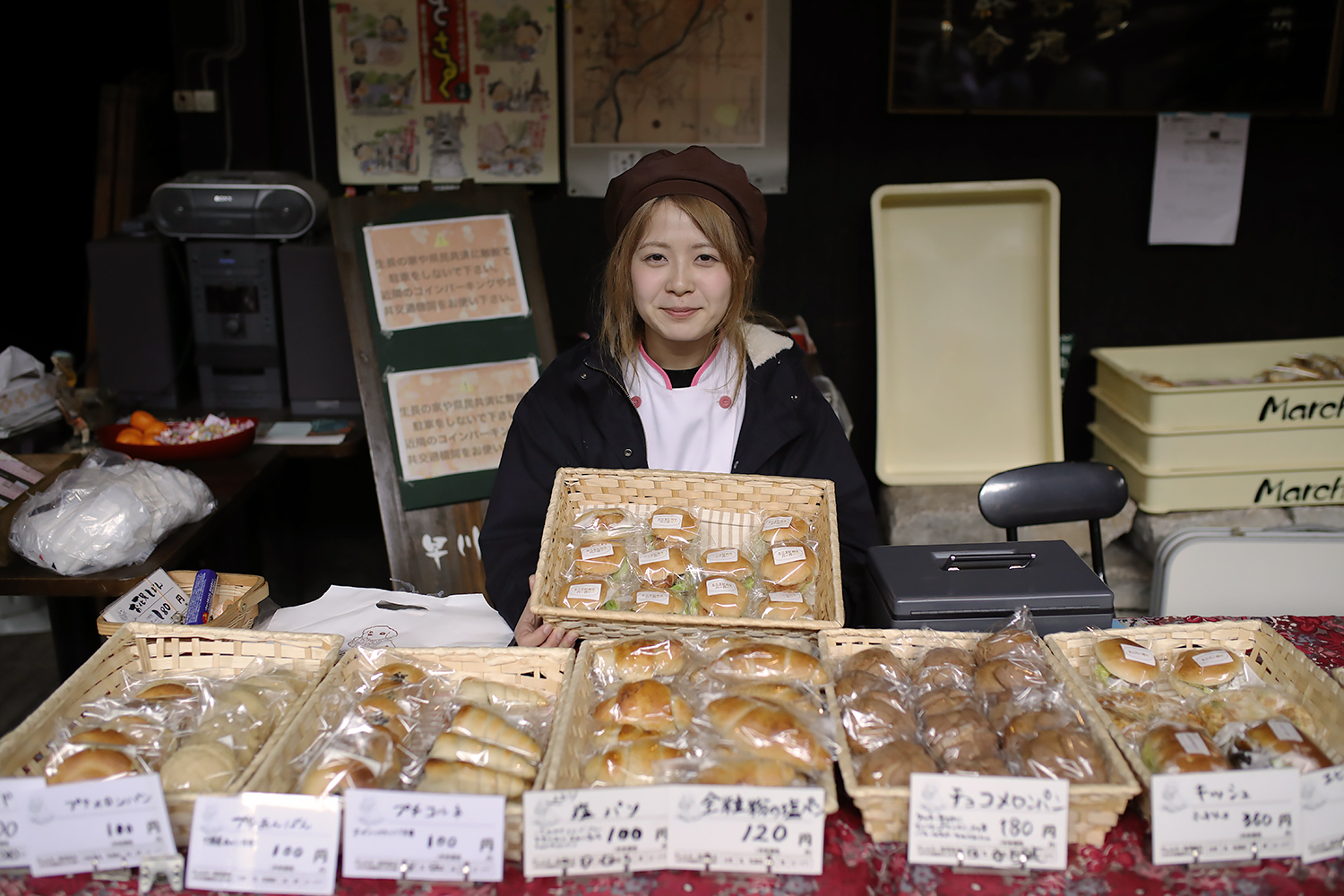
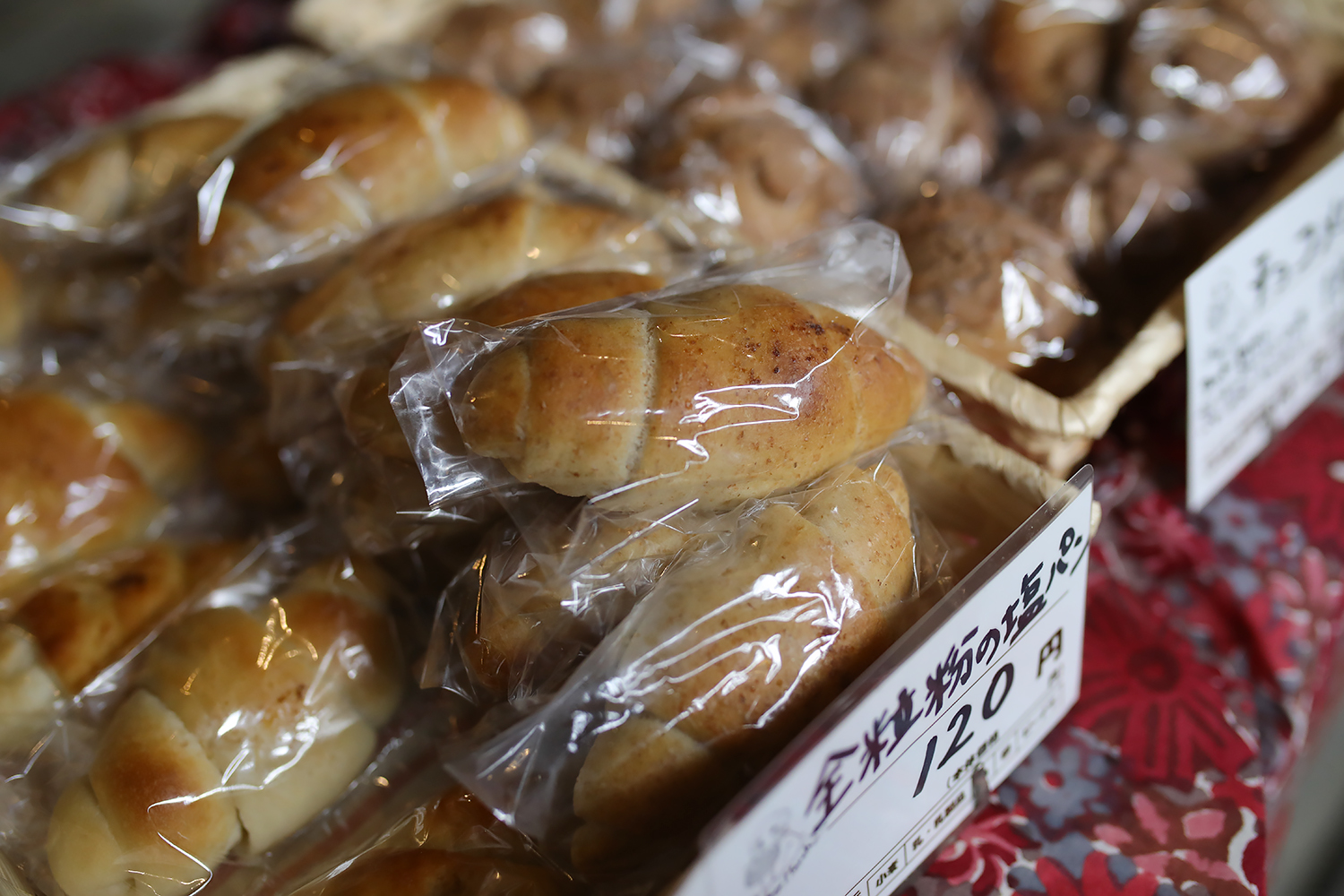
A natural yeast bread store in Kumamoto City. They make their own natural yeast with pesticide-free rice bran, use no eggs or additives, and are particular about ingredients such as domestic wheat, Yotsuba butter, Tsushima seaweed salt, and Tanegashima washing sugar. From yeast to baking, it takes 10 days to make one loaf of bread. At the event, the bread is offered in petite sizes so that customers can enjoy it with other food items.
Maruyama Highland Fureai Farm
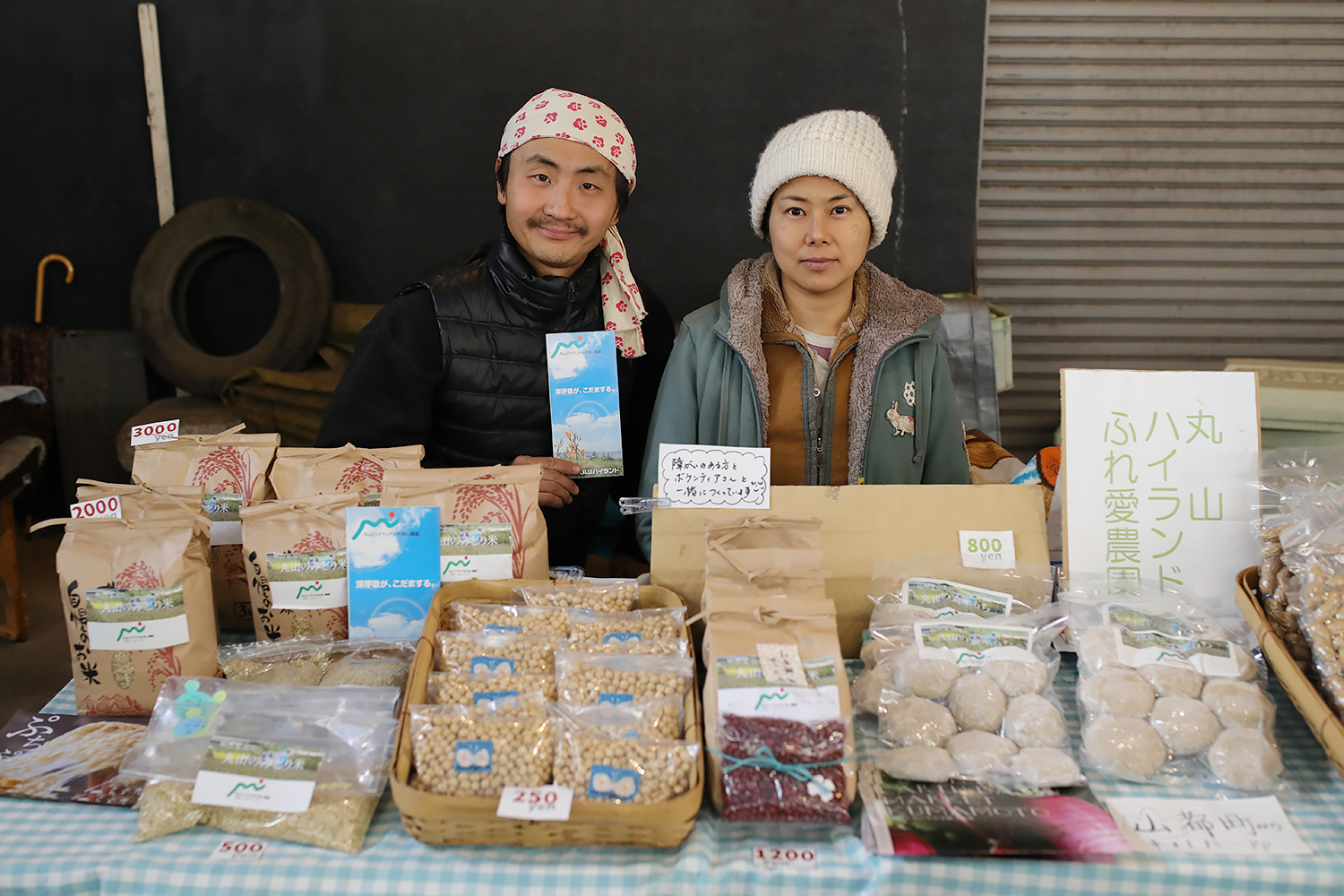
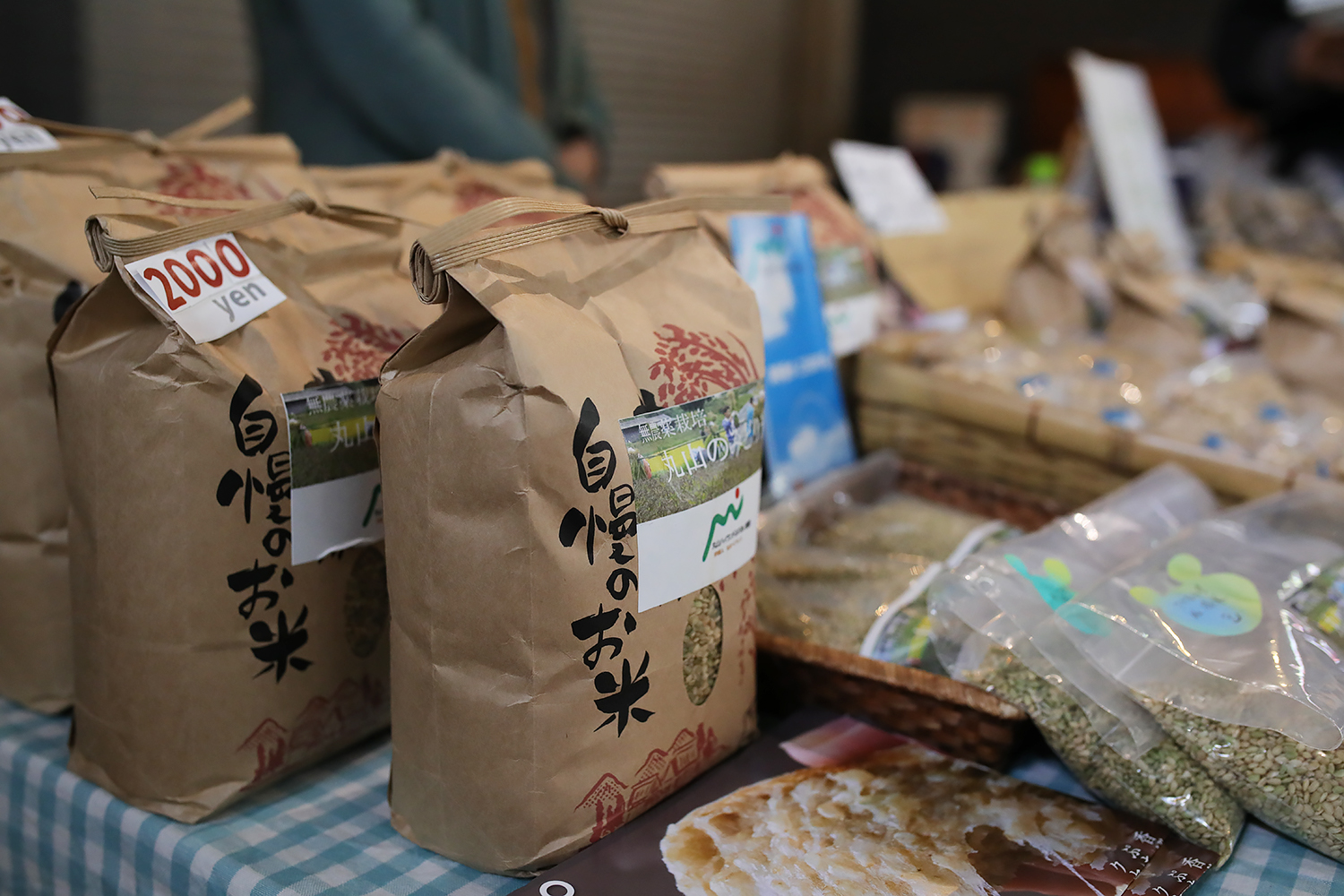
Sells rice, agricultural products, and processed foods grown at Maruyama Highland Fureai Farm, an 800-meter-high Maruyama Highland in Yamato Town. Normally, their main volunteer activities include supporting the independence of the mentally handicapped and fostering the next generation through the promotion of local industry. The Yamagata couple in the image also moved from Chiba and Kanagawa for their future family after the earthquake.
Masaki Farm, by the Kuma River
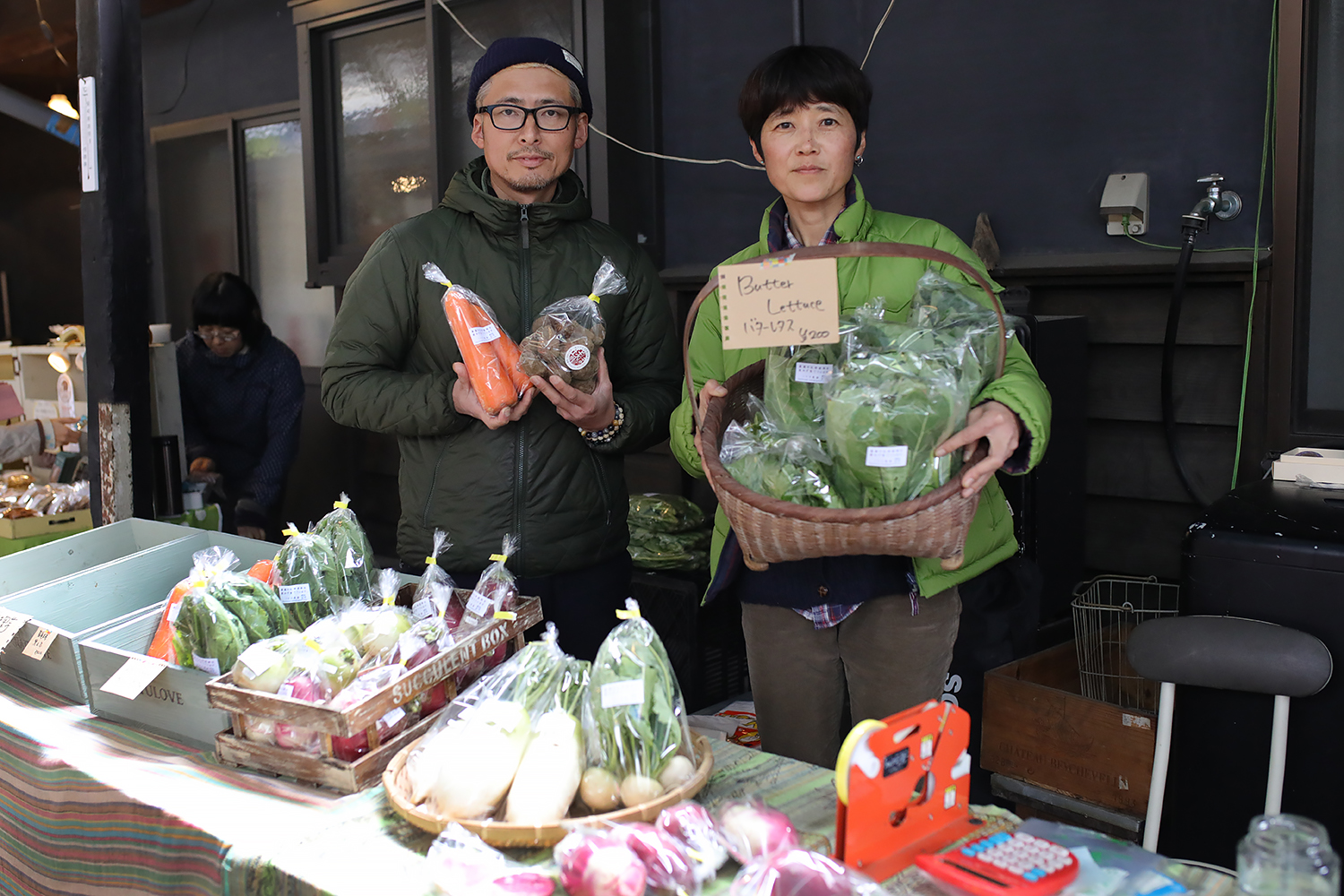
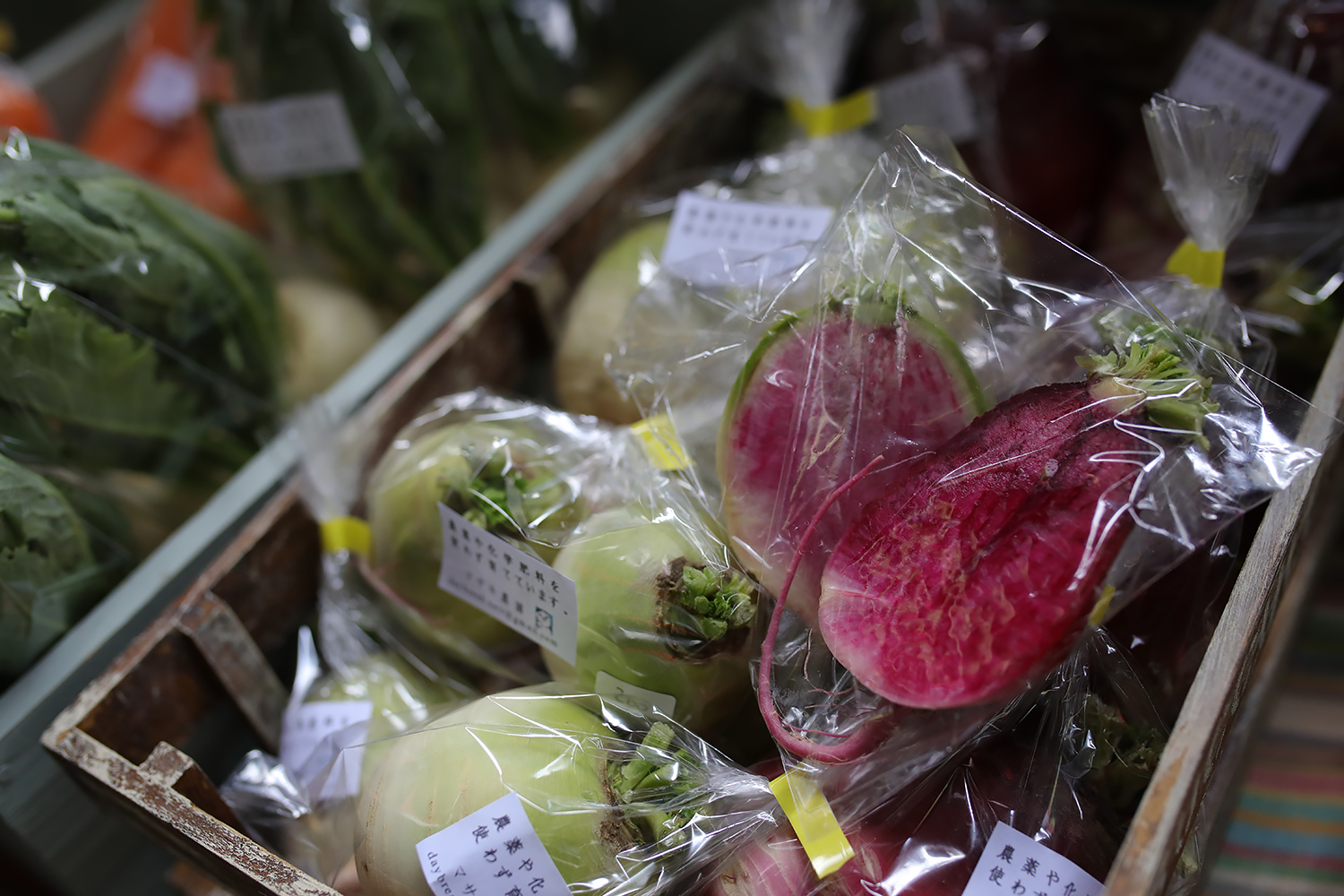
In addition to seasonal vegetables, the duo also challenges rare vegetables with their own natural farming methods. There are many fans who visit the store without fail to purchase their produce, and by the time the 1:00 p.m. photo was taken, more than half of the produce had been sold. Many restaurants and cafes have contracted with them.
one's home
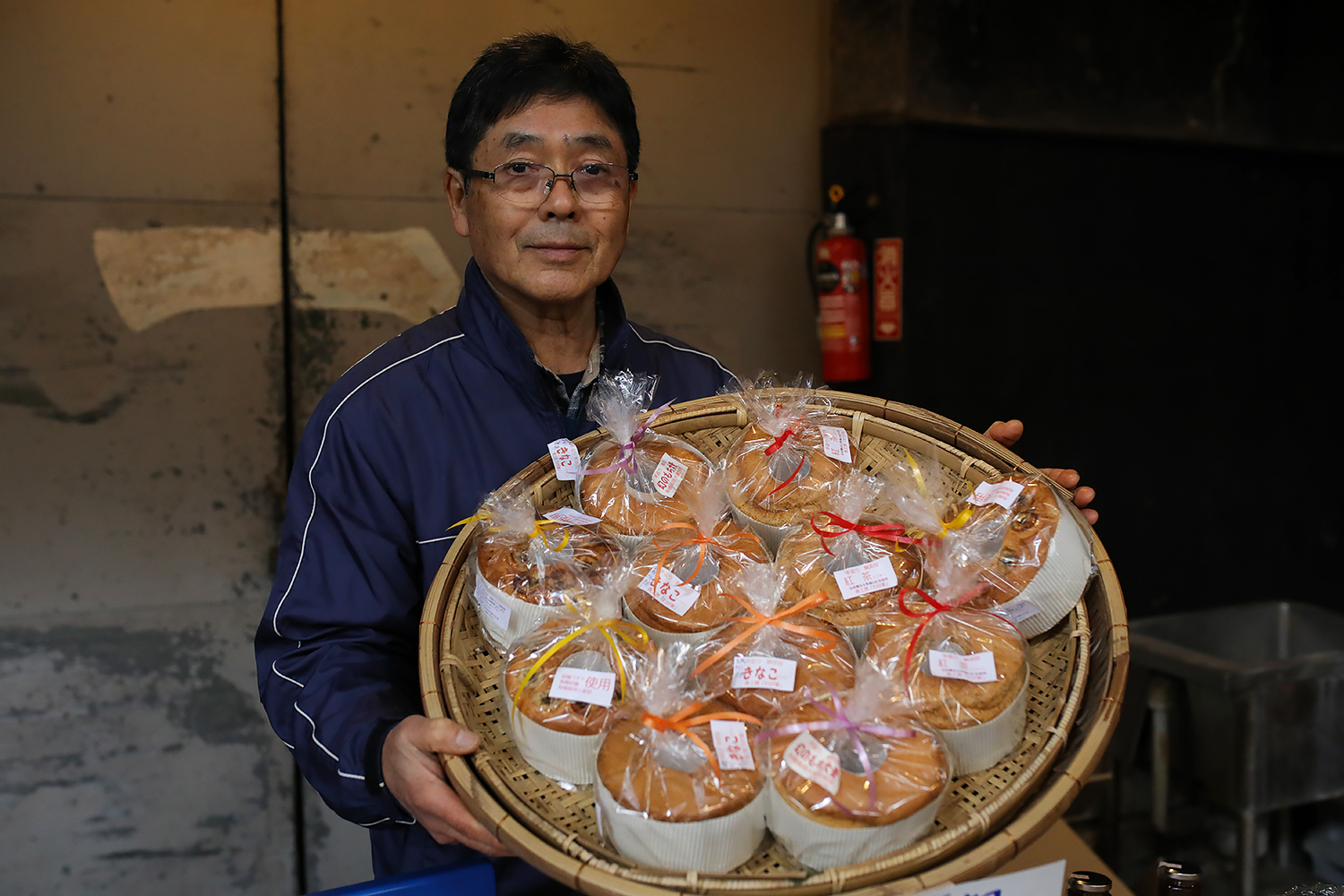
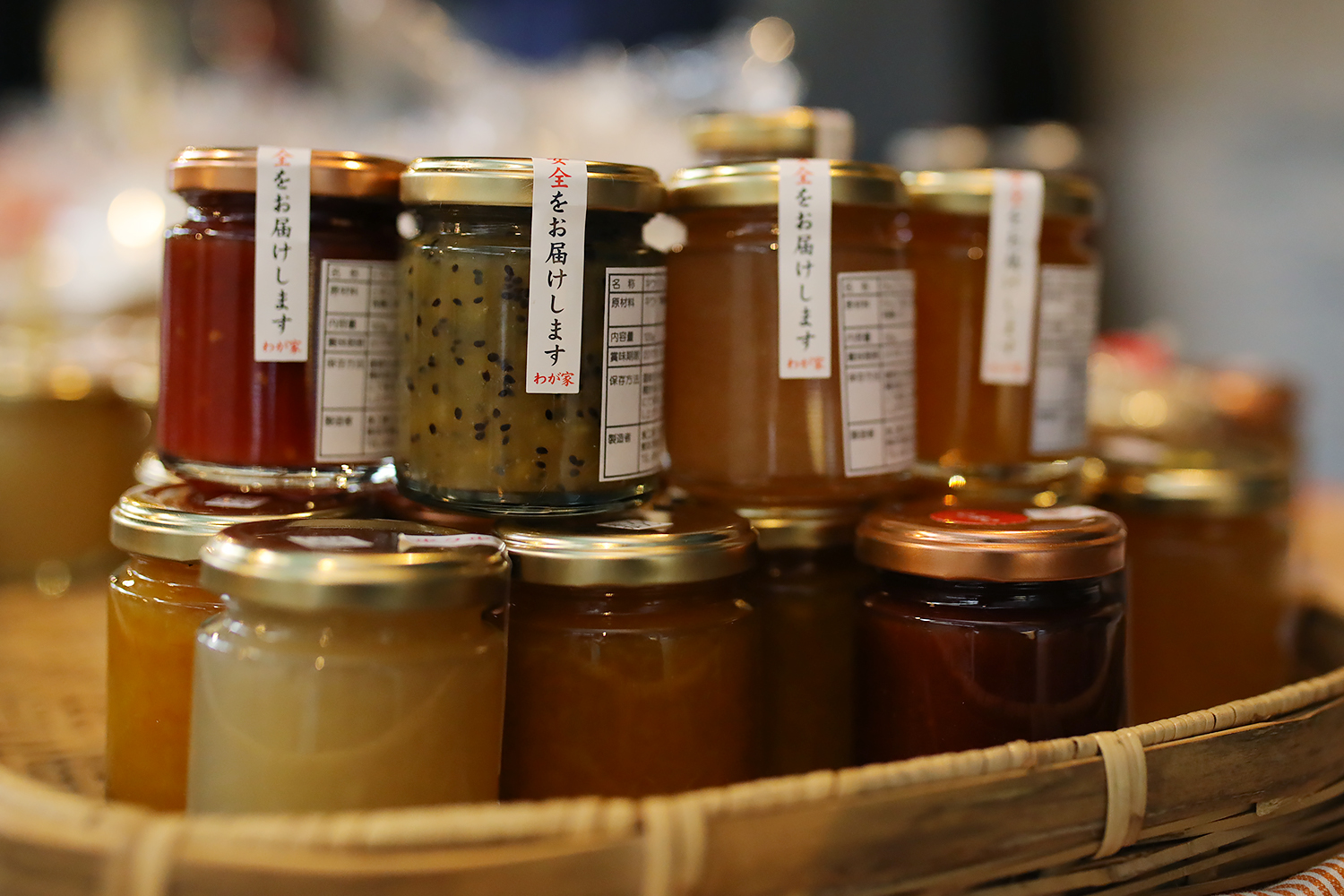
The group was founded by Naoki Tokunaga, a former teacher at an agricultural high school, who wanted to use his knowledge to offer healthy foods to the children who will be responsible for the future. They sell processed products such as chiffon cakes kneaded with natural ingredients without any additives such as expanders, and additive-free rare vegetable jams from their farm.
Kumamoto Hinode Rice
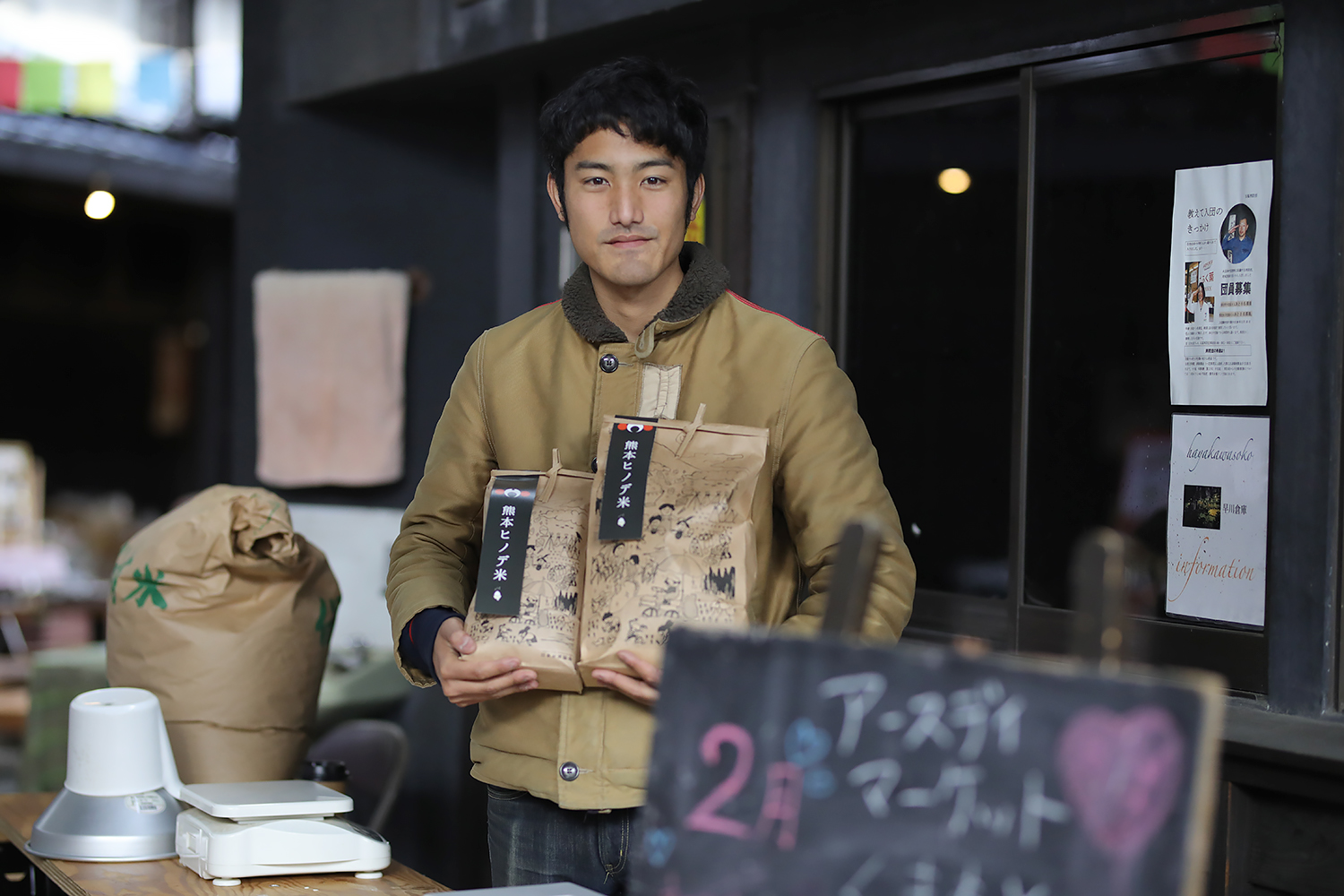
Kumamoto Hinode Rice" is produced by Kenta Mori, the founder of Earth Day Market Kumamoto. The rice was grown by volunteers from outside the prefecture and victims of the Kumamoto earthquake, who took over the rice fields and seeds that were almost abandoned so that the rice fields would not disappear. It was just harvested last fall.
Interview with Kenta Mori, Representative
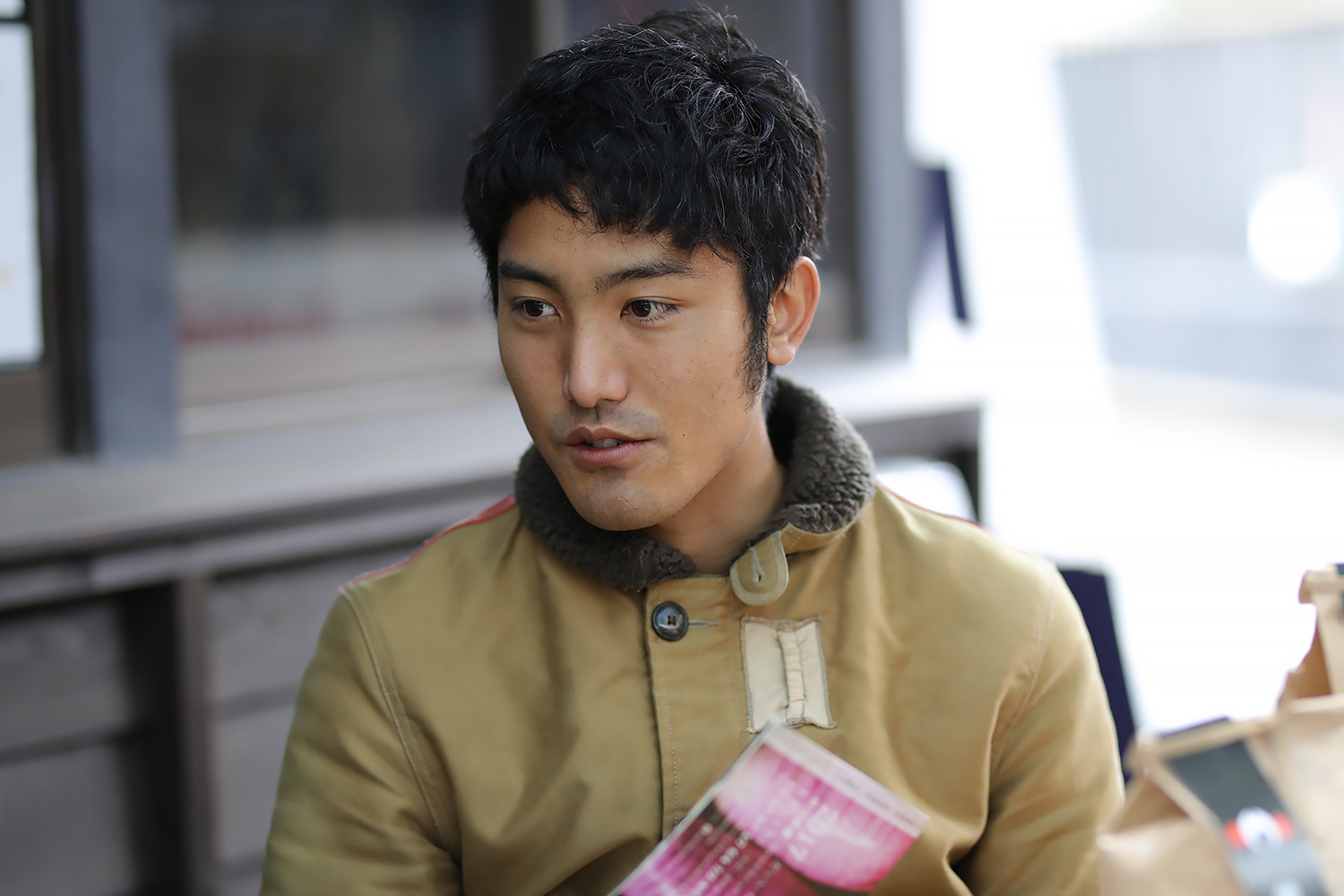
At the age of 18, he began to think seriously about "food" after witnessing a food deception scandal. I would like to create a place where the connection between the buyer and the producer can be cherished through direct sales by the producer, and I would like to deepen and expand that circle.
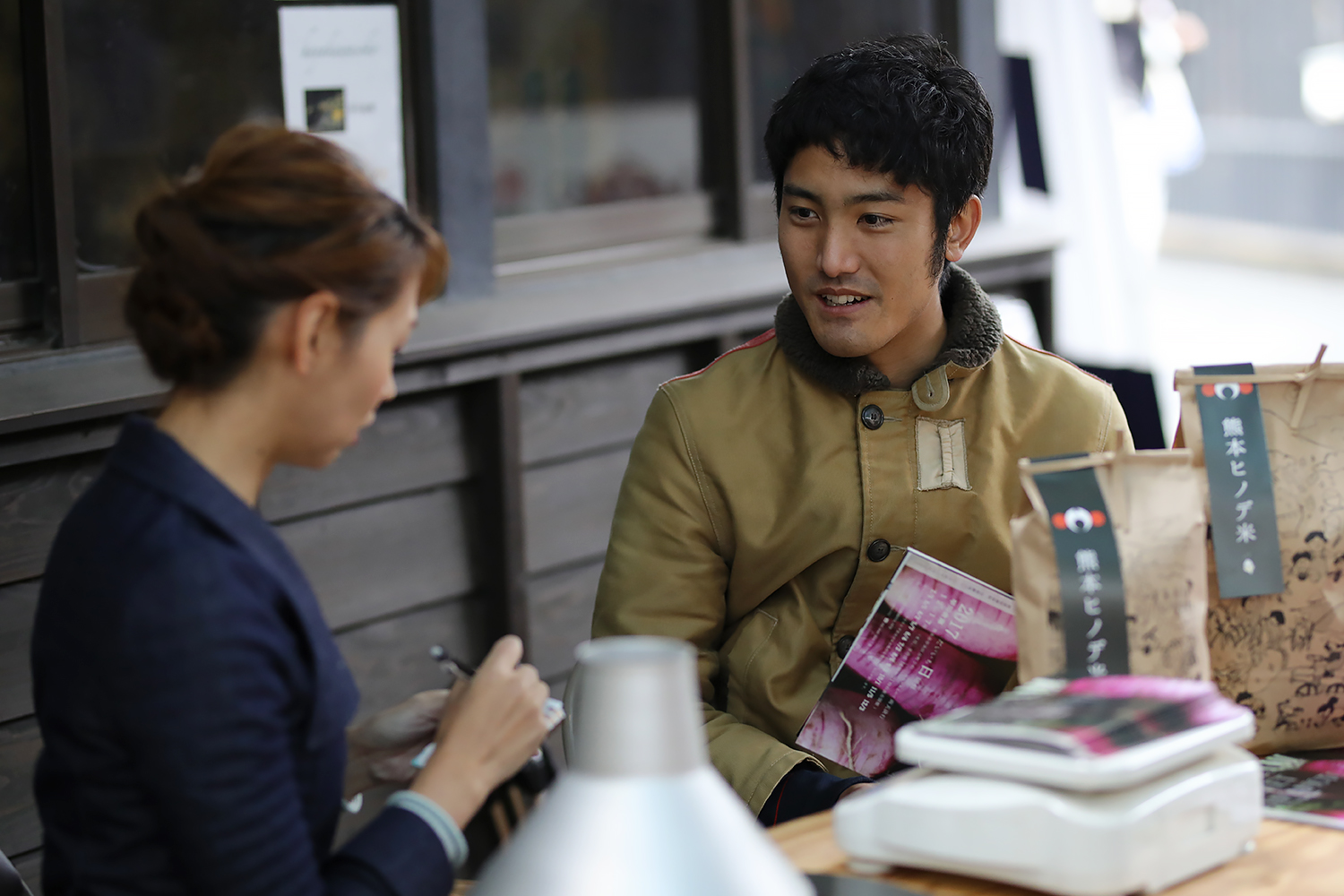
Q. When did you launch the market?
A. "It is 2009. This August, it will be my ninth year."
Q. What made you think so?
A. "When I was 18 years old, I once traveled around Japan by bicycle. When I got to Hokkaido, I happened to see a press conference of a company that was falsifying food products that had rocked the world. When I saw people who had been thinking about food being abused and mistreated, I couldn't stop thinking, 'Why did this happen? I began to wonder, "Could it be because the cook and the eater were unable to communicate directly with each other and were only completing the food in front of their own eyes? I began to think that it was because the people who made the food and the people who ate the food had not communicated their feelings directly to each other.
Q. What kind of activities did you do before starting up?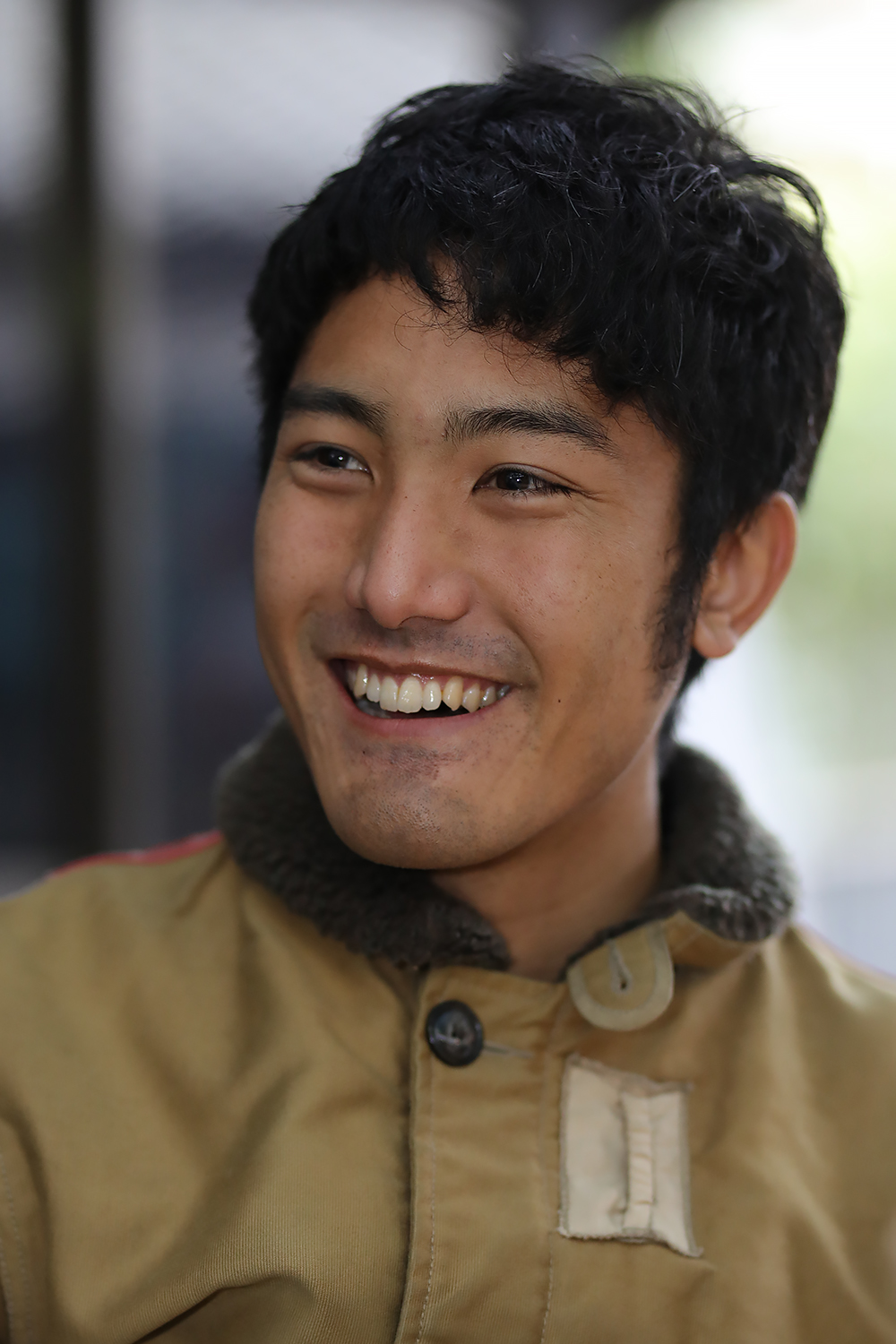
A. "When I returned, I actually plowed the fields and produced safe, pesticide-free cucumbers. But I didn't think about where to sell them or what to do afterwards. ...... At night, we sold them on the street in the center of the city. Since they are pesticide-free, they are crooked and unappealing, but they are definitely tasty and good for you. At first, some people seemed to shy away, but when I had a proper conversation with them and conveyed my thoughts, they were happy to buy them. At that time, I realized the importance of communication. Then, wanting to expand such a place, I approached some organic and natural farmers I knew, and the market began."
Q. Did you start out at the Hayakawa Warehouse?
A. "No. At first, we thought that we could just set up a space in a shopping district or event hall in town where people gather and hold the event each time, but as the number of stalls and customers grew, we were looking for a place, and a friend told us about this place, so we decided to hold the event in a proper way.
Q. What are your goals for the future market?
A. "In this day and age when we are inundated with such a multinational and rich food culture, it is difficult to obtain reliable information, and problems such as food mislabeling are heartbreaking. That is why we believe that the most important thing is to communicate directly face to face and build a relationship of mutual trust. We want both producers and purchasers to encounter food that is healthy for the body and mind, and to enjoy their daily meals with peace of mind and contentment. Even now, many people come to the market to meet the producers, which motivates the producers to make their products even more delicious and high quality. I would like to expand and deepen the connection between producers and eaters.
Access
Address: 2-4 Man-cho, Chuo-ku, Kumamoto
Date: First Sunday of every month
Hours: 12:00 - 17:00 (Night market is held from 16:00 to 21:00 in August and September)
Parking: None (please use nearby parking)
URL:http://www.em-kumamoto.org/
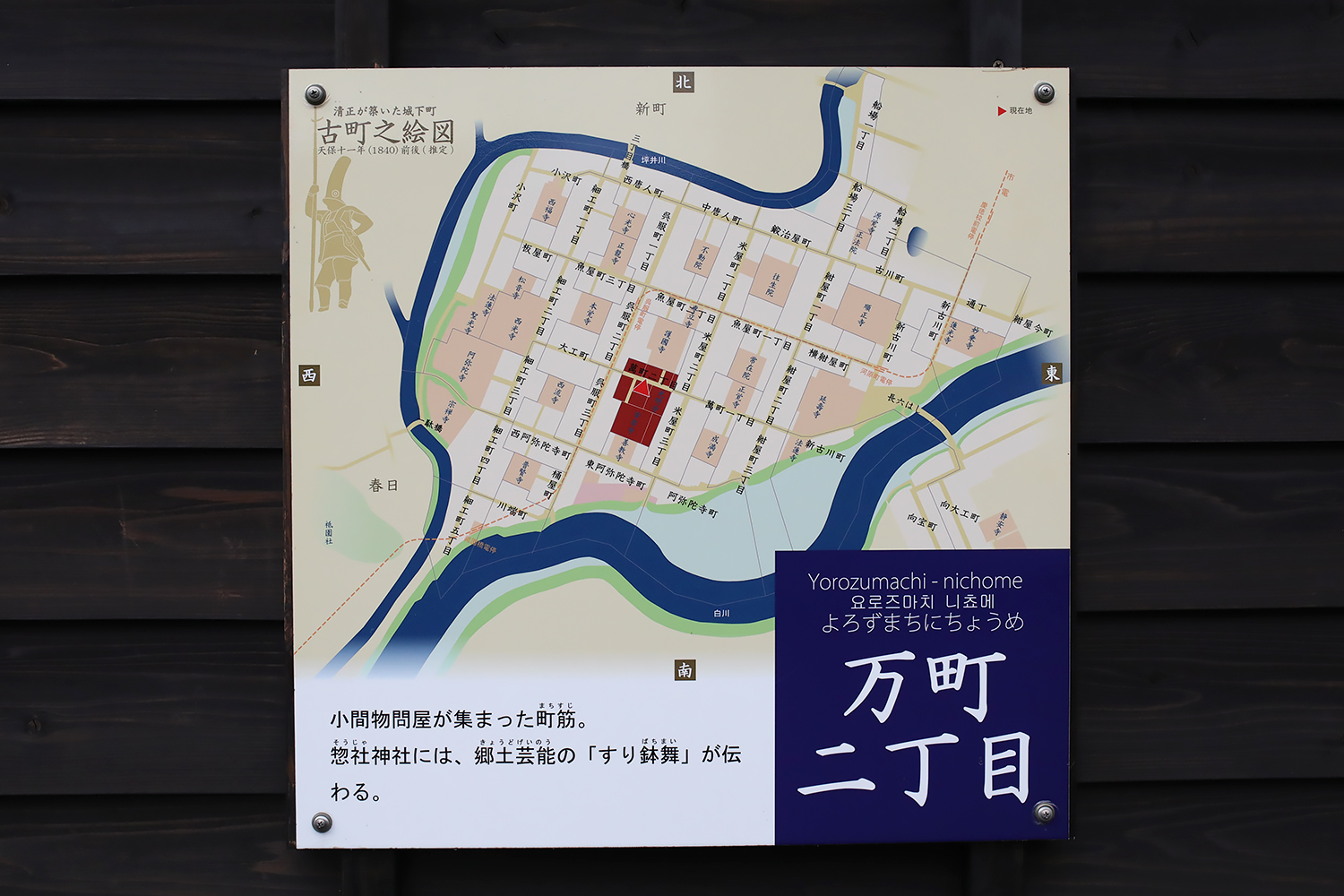
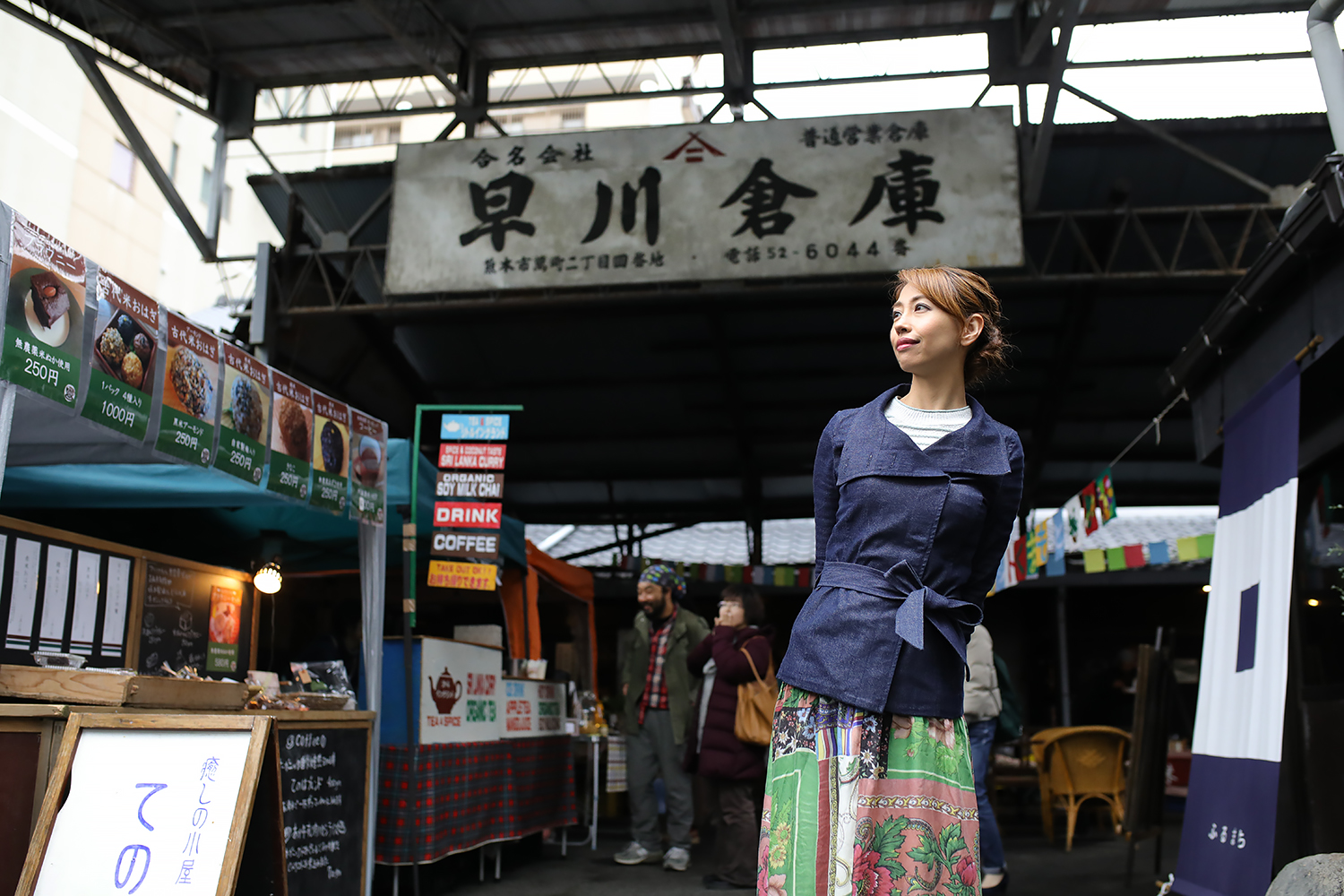
MAP
2-4 Bancho, Chuo-ku, Kumamoto City, Kumamoto Prefecture, 860-0032, Japan
Interview and editorial staff
Model Report: Nozomi Nakamoto
Photography/Production: VOKE Ltd.