


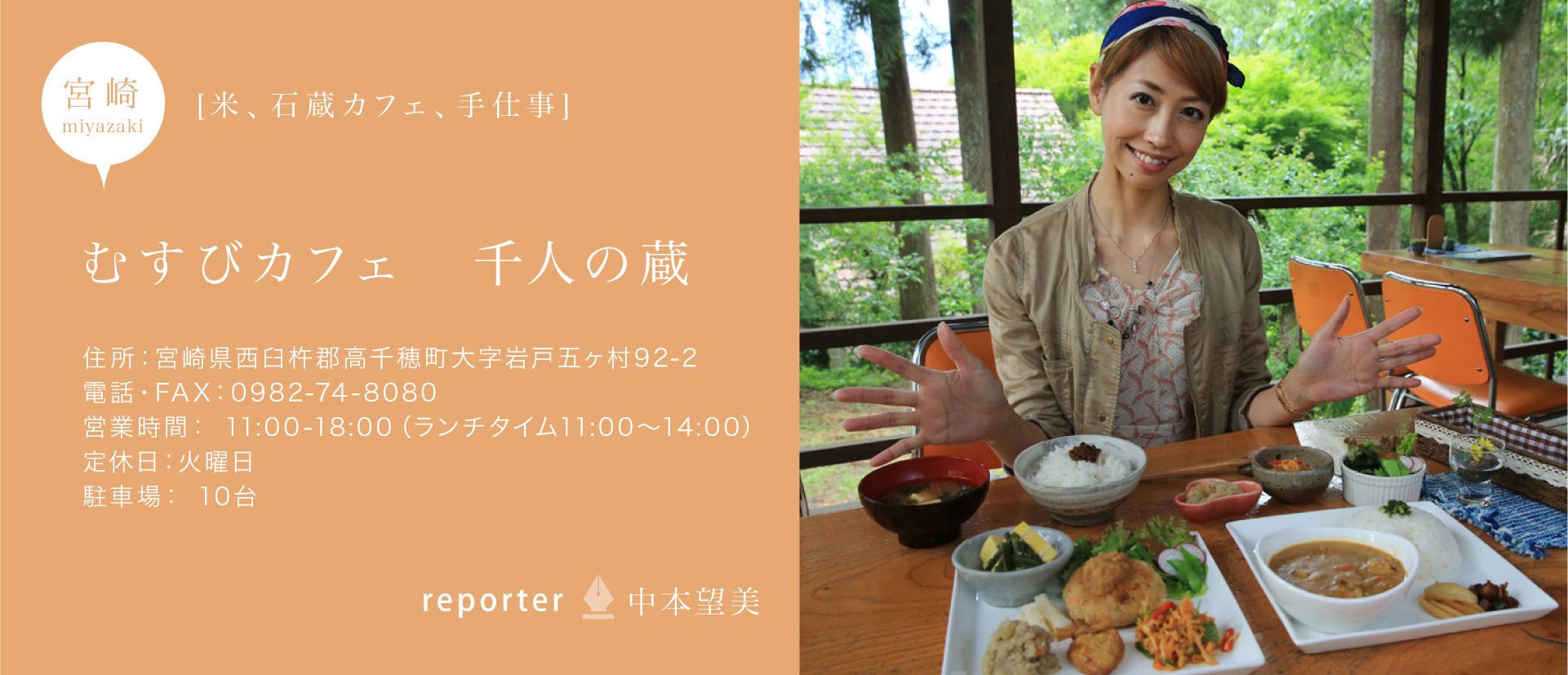

It was created more than 20 years ago by a group of 60-year-old villagers,
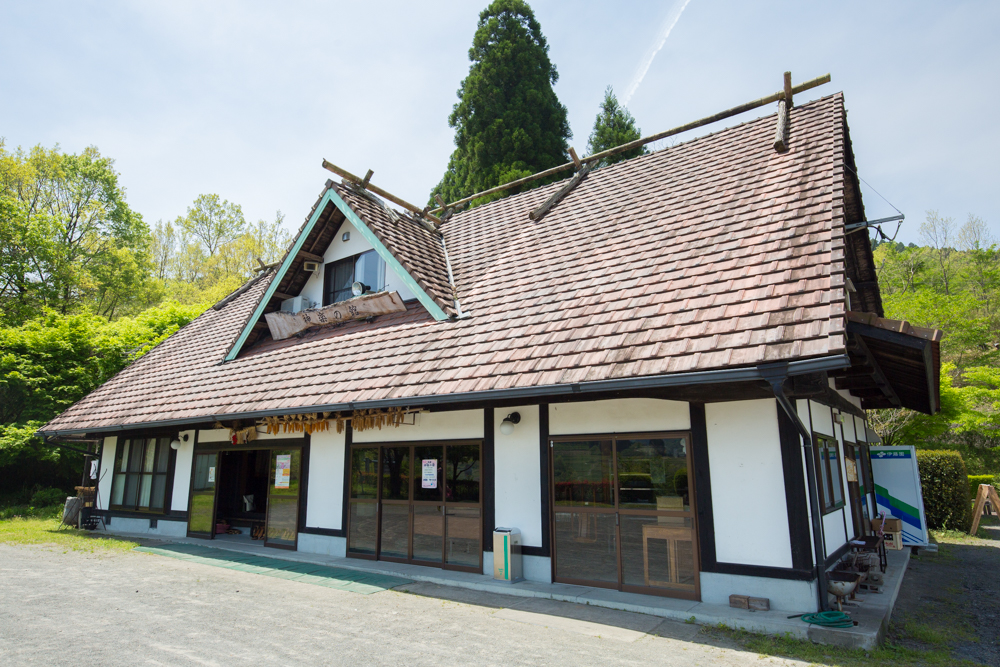
Musubi Cafe Sennin no Kura" is a café in a stone warehouse located in "Ama-no-Iwato Onsen-mura" in Takachiho Town.
“Food, healing, and connection” are the themes that we inherit from our predecessors.
The original menu features rice and other ingredients grown in terraced rice paddies.
Stone warehouse café over 150 years old
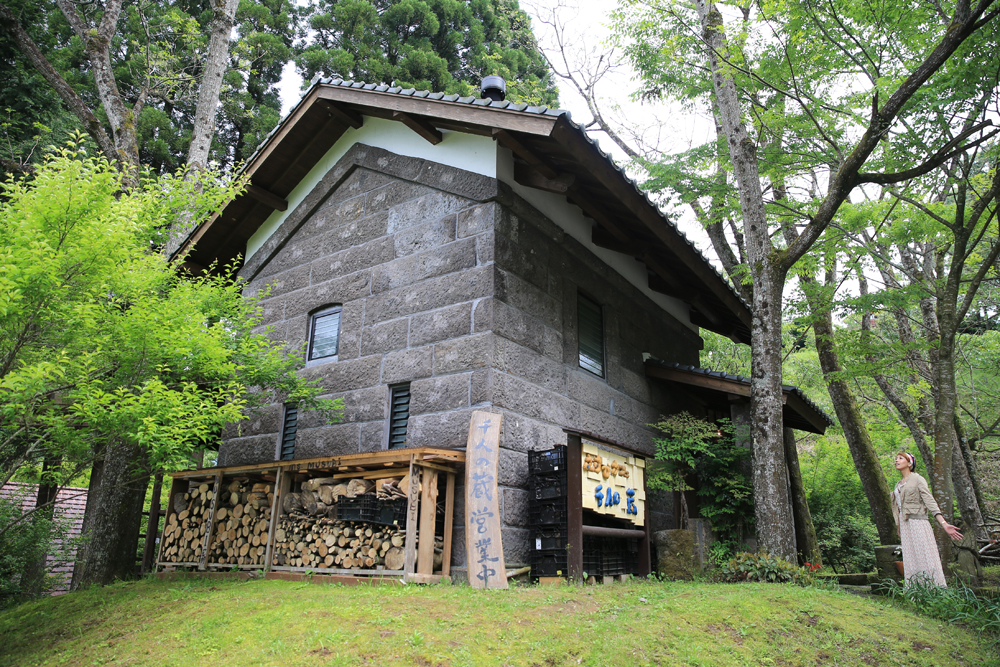
About 20 years ago, a group of villagers around 60 years old at the time, struggling alone in the mountains, created a new community called ”Ama-no-Iwato Hot Spring Village,” centering on Ama-no-Iwato Hot Spring near Ama-no-Iwato Shrine in Takachiho Town, and have been making efforts to revitalize the area. The hot spring village has a hot spring facility, a stone warehouse café, a hot spring teahouse, and a guest house and kagura inn, and is loved by local people as a "place of rest" from early in the morning. This time, we focused on the Ishikura Cafe "Musubi Cafe Sennin no Kura," which offers a menu featuring locally produced rice as the main ingredient, to learn more about the store's efforts and activities in the community.
This stone storehouse was originally located in another area and is a historical structure that is over 150 years old. The stone storehouse was relocated with the help of only the villagers, and was named "Sen-nin no kura" (storehouse of a thousand people) because it contains the power and wishes of 1,000 people. The café, which is based on the wishes of these predecessors, offers original menus and sweets that are gentle on the body, using local rice, locally harvested vegetables and fruits, and natural local soybeans and wild vegetables grown in the town, in keeping with the theme "to be a place of musubi (bonding).
With the opening of the Higashi-Kyushu Expressway between Oita City and Miyazaki City in March 2015 and the Kitakata-Nobeoka Road between Kitakata and Kurata in April of the same year, and the favorable conditions of ”long free sections,” northern Miyazaki Prefecture has been attracting even more attention. Among them, Takachiho Town, known as the ”Village of Mythology,” attracts more tourists than usual and is bustling with activity every day. The reason behind the festive atmosphere is probably because our predecessors have worked hard to preserve Takachiho's culture and leave a good Takachiho Town for future generations.
In conjunction with our coverage of the café, we interviewed Masato Kudo, 82, one of the representative members of the village revitalization group, along with Tetsuro Fujiki, owner of Musubi Cafe Sen-nin no Kura and representative of Hyuga Jikansha, who inherited the wishes of the villagers' grandfathers and grandmothers, to learn about the thoughts of the villagers and what it was like back then. We asked him about the thoughts and feelings of the villagers and the situation at that time.
How the Thousand Storehouses were built Former head of the village revitalization group: Mr. Masato Kudo
To preserve an area or culture requires the will not to lose it. Without desperation, it will only decline. I hope that the spirit will be preserved for future generations, and that the community and culture will be further developed while being protected."
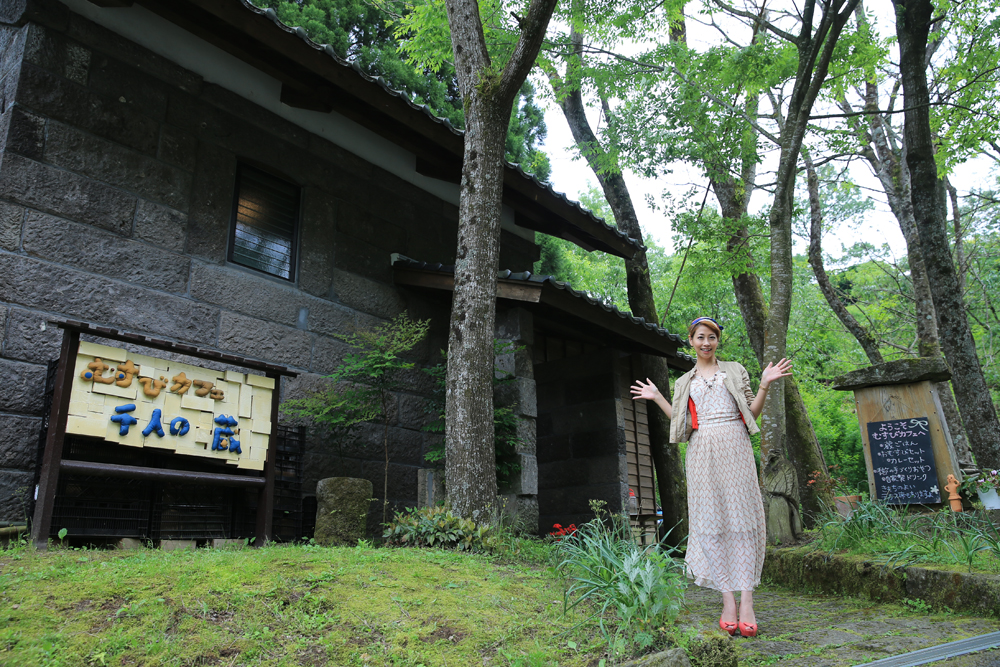
The stone storehouse "Sen-nin-no Kura," which was moved from Hinokage Town and completed in 2010, is a sturdy building with a sense of presence that evokes more than 150 years of history! The stones are said to have been hardened from lava that was created during the eruption of Mt.
At the "Minshuku Kagura no Yakata" (guest house), we spoke with grandparents who are around 60 years old about the activities they have been involved in since they started the group with the village in mind.
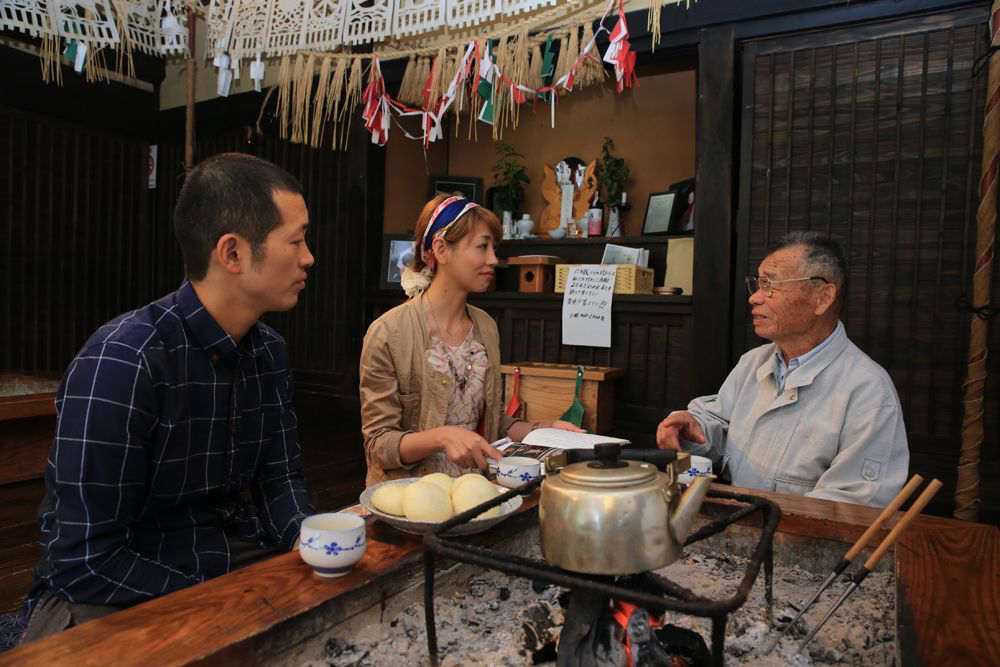
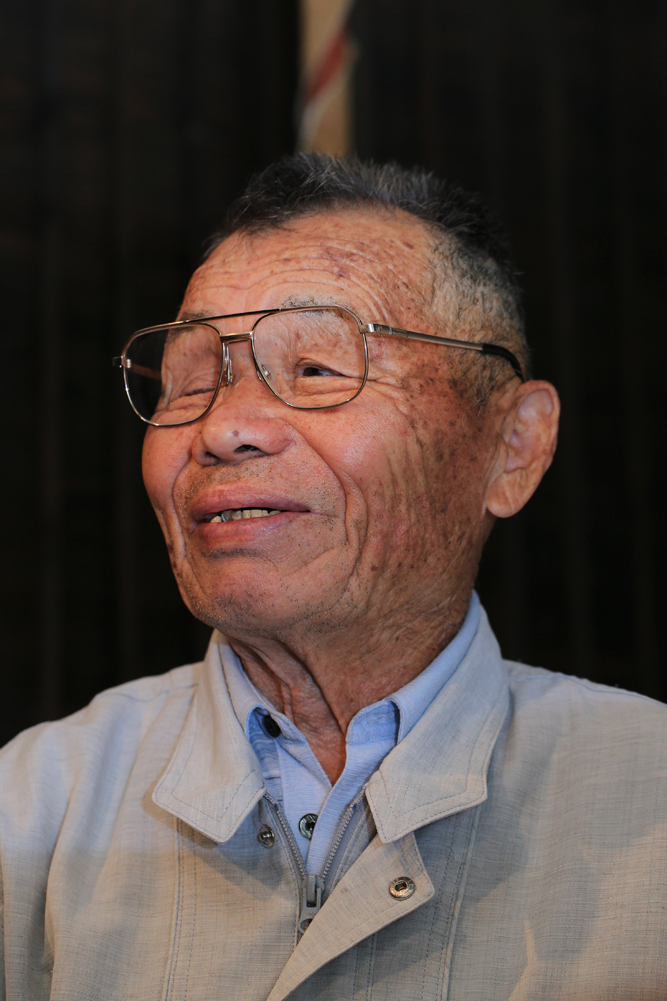
Former head of the village revitalization group: Mr. Masato Kudo (image on right)
Tetsuro Fujiki, owner of Musubi Cafe Sennin no Kura and representative of Hyuga Jikkasha (left image)
Q: How did people as old as 60 years old start the group?
In 1990, a hot spring source was discovered here, and in 1994, a hot spring facility was built. The residents of the village were really happy. However, even though there was a place to rest in the facility, there was no place to eat. ...... The idea was to make the people who came to the hot spring more satisfied, so a group of community representatives got together to create a facility where they could enjoy local products and food. Nine of the most motivated members formed a group to revitalize the village. At the time, I was around 60 years old, and I felt this was the last job I could do with all my strength.
Q: Where was the first project you worked on?
We set up a booth next to the hot spring facilities and sold homemade local dishes, snacks, and manju (a Japanese sweet made with bean paste). We were all old people, so we did the best we could to entertain them. We were just groping our way around, but we gained a reputation for the 'simple taste that can only be found here,' and we sometimes sell 70,000 manju, which are handmade from red bean paste, a year.
Q: What were you and the other members of Kudo's team doing at the time?
I am a certified traditional craftsman at the age of 58, and my family, including my grandchildren, has been making kagura masks for three generations. The other members also had their own handicrafts, such as carpentry, farming, and night kagura service.
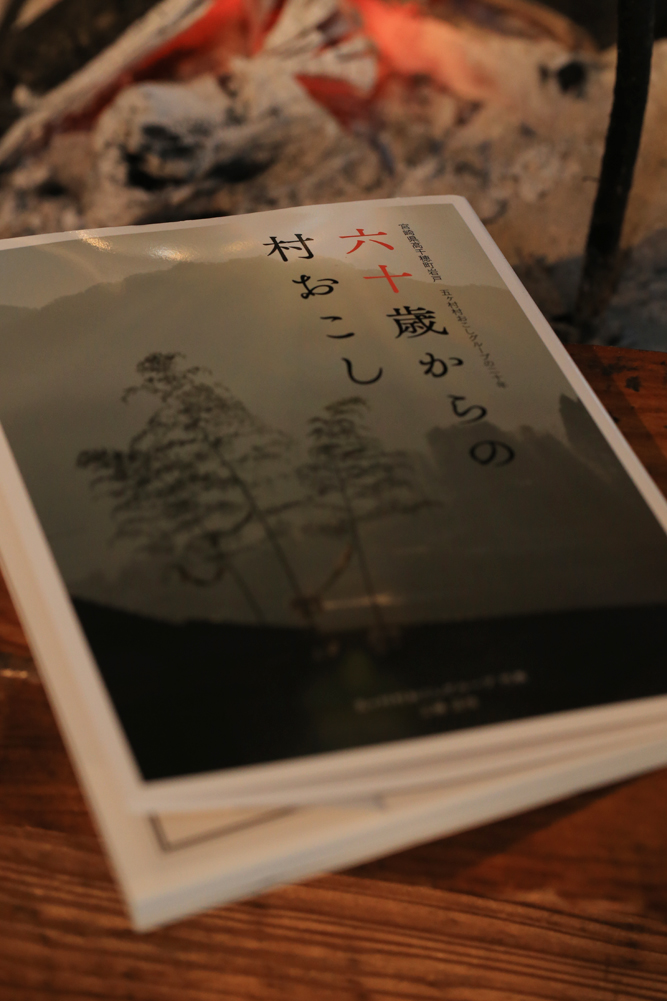
Q: So you were all more than eager to pass on the local culture in parallel with your work.
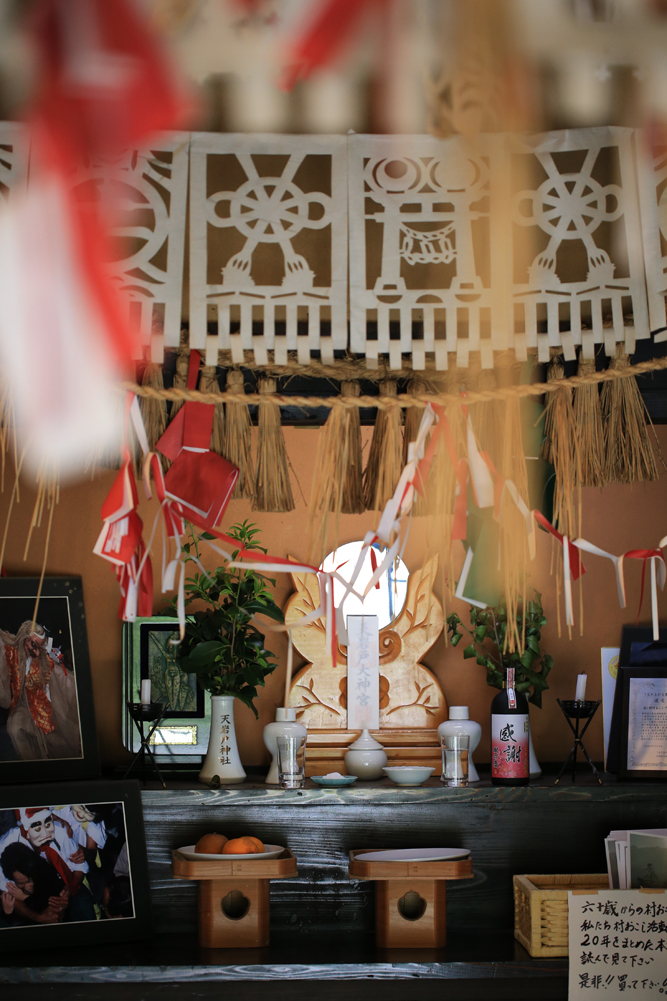
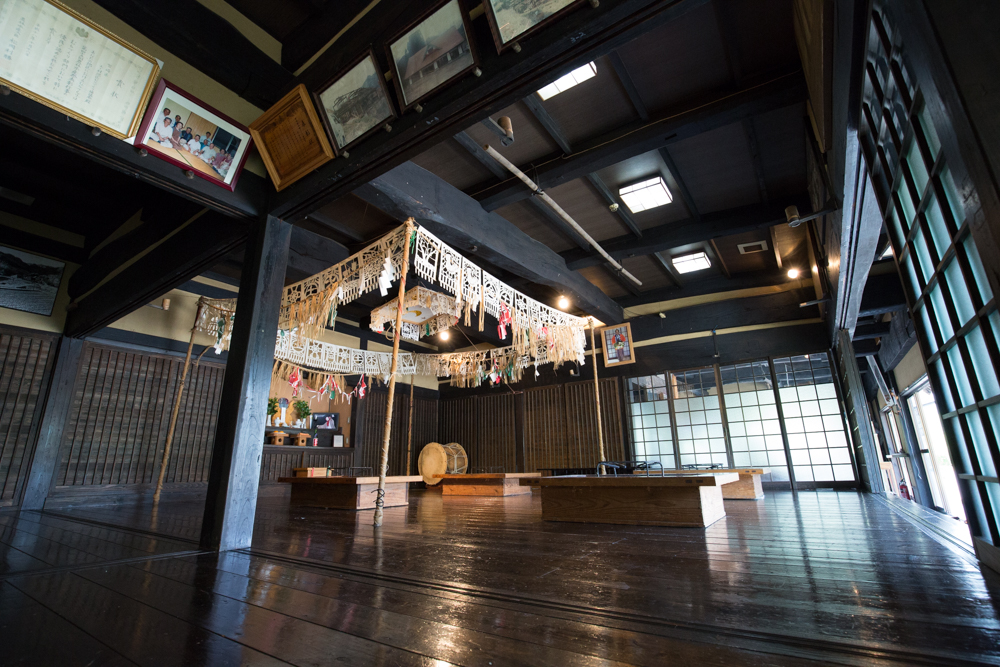
「The night kagura, in particular, is a traditional culture unique to Takachiho that has been handed down from ancient times. However, it has become more difficult to hold the festival every year due to the problems of successors and "kagura inns" to which the night kagura is dedicated. Eventually, a proposal was made to hold a simplified night kagura performance instead of a full night kagura performance.We felt that if we did not do something about it while we were still alive, not only the culture, but the community itself, would disappear. So we moved a large house that had been abandoned in another community and completed this "Kagura no Yakata" in 1999. We all hugged each other and rejoiced that we could now protect the night kagura. Then, in 2002, we were able to start the guest house.
Q: You said "on our own," but didn't you have a lot of trouble?
It's a constant struggle (laughs). We are working together with our own funds for the sake of the community, but we are sometimes accused of 'Why are you doing that? ...... But I am really glad we did it. It was hard work, but we laugh about it and say that it was the 'Ikigai Insurance' for the 'Ikigai' that we are experiencing right now."
Q: What is the current use of this pavilion?
It can be used for lodging and banquets by reservation, as well as a space for sports, yoga, live music, etc. "Please come and experience the culture of Ama-no-Iwato firsthand. We invite you to experience the culture of Ama-no-Iwato firsthand."
Thank you very much.
Store Introduction Musubi Cafe Sen-nin-no-Kura
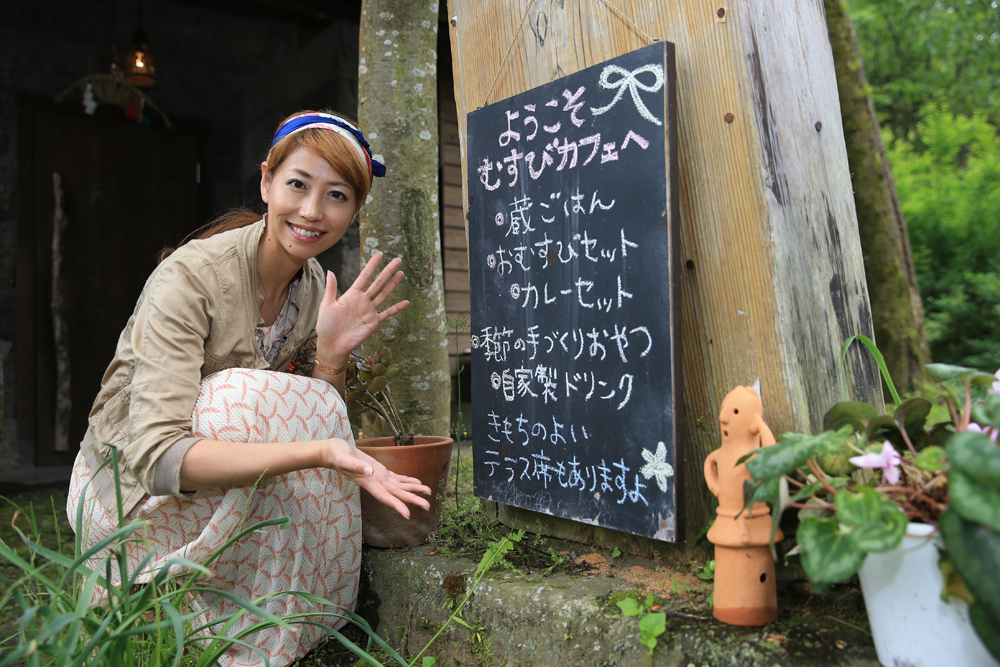
There are two entrances to the storehouse, one on the street side and the other on the terrace side, each with the sun and moon painted on the door. Upon entering the storehouse, the warmth of human kindness and natural materials seems to breathe softly in the heaviness of the piled stones. The stone storehouse is said to be cool in summer and comfortable in winter because it blocks cold air and protects the warmth of the interior.
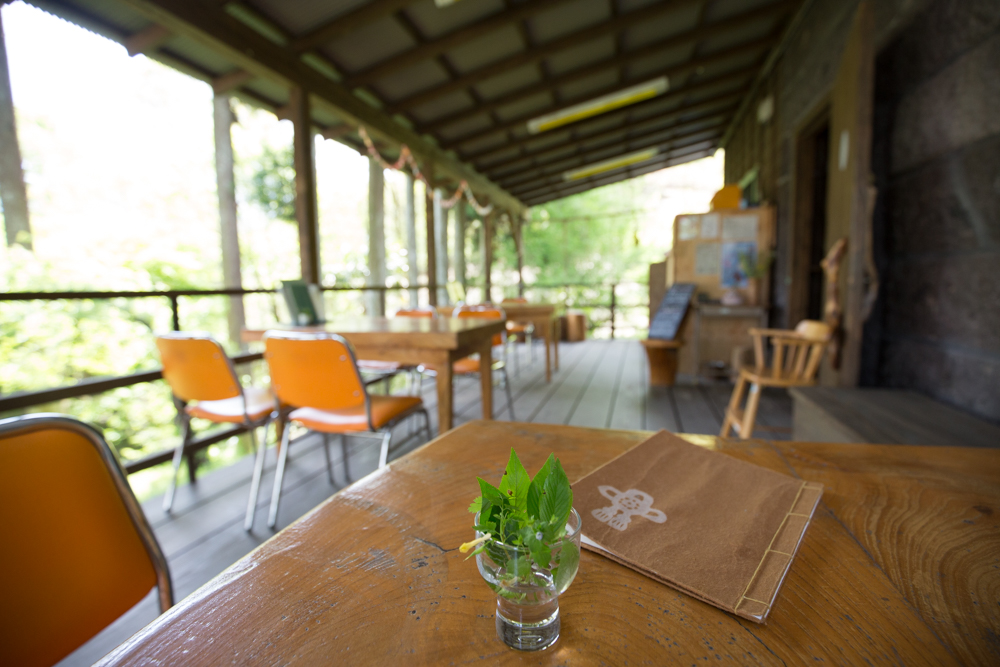
The terrace seating at the top of the stairs. You can feel the beautiful green scenery and clean air outside all over your body.
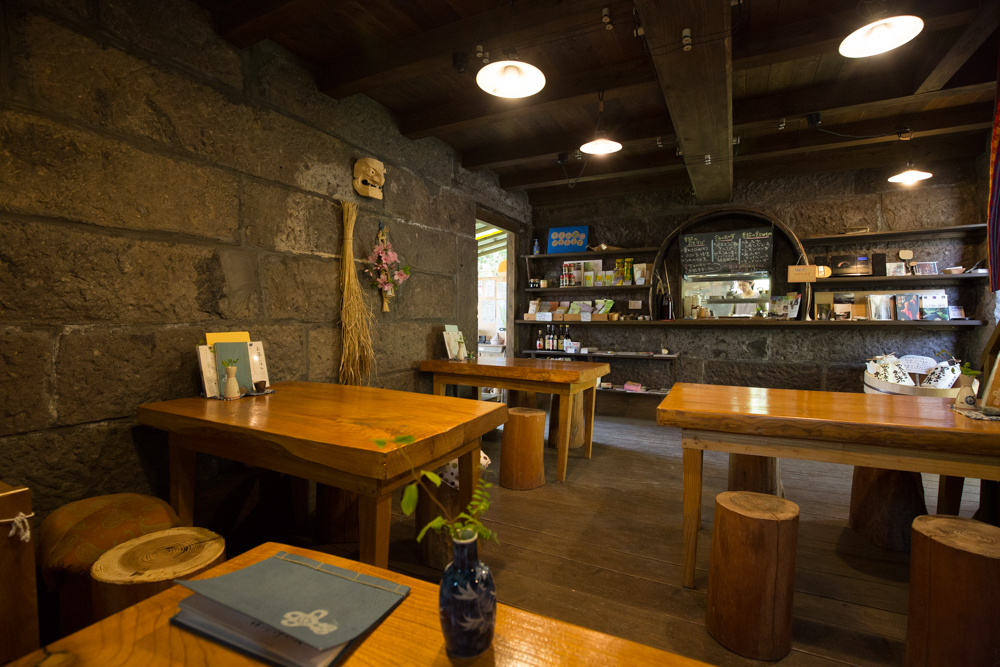
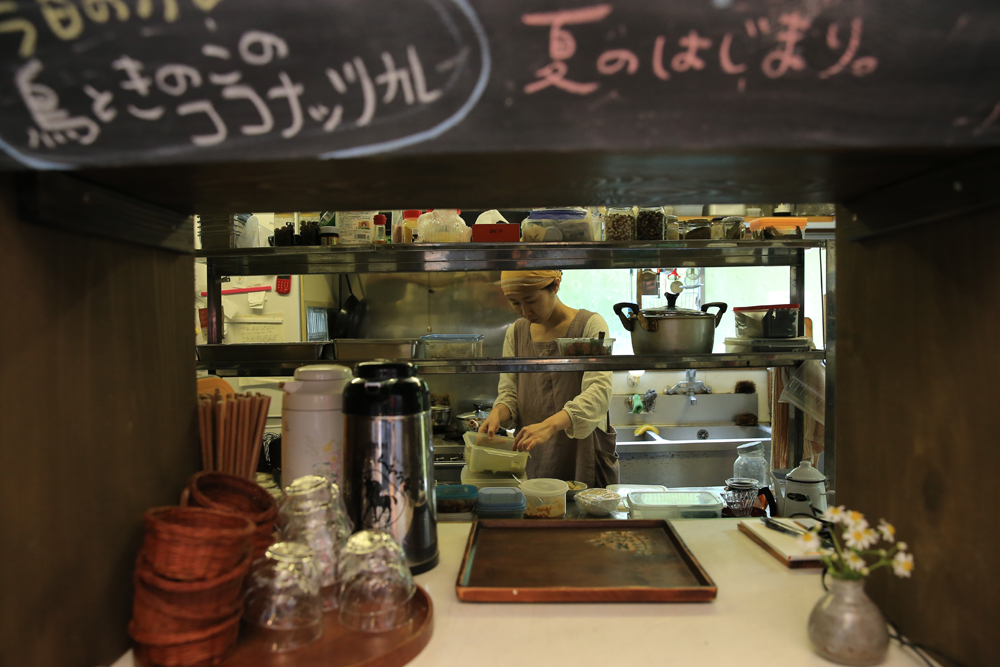
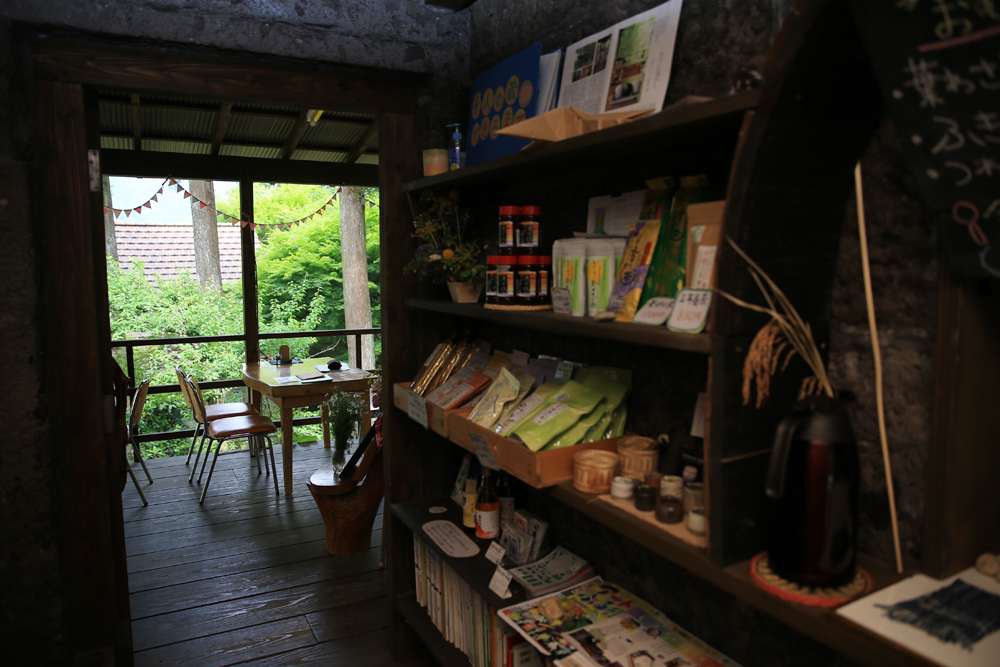
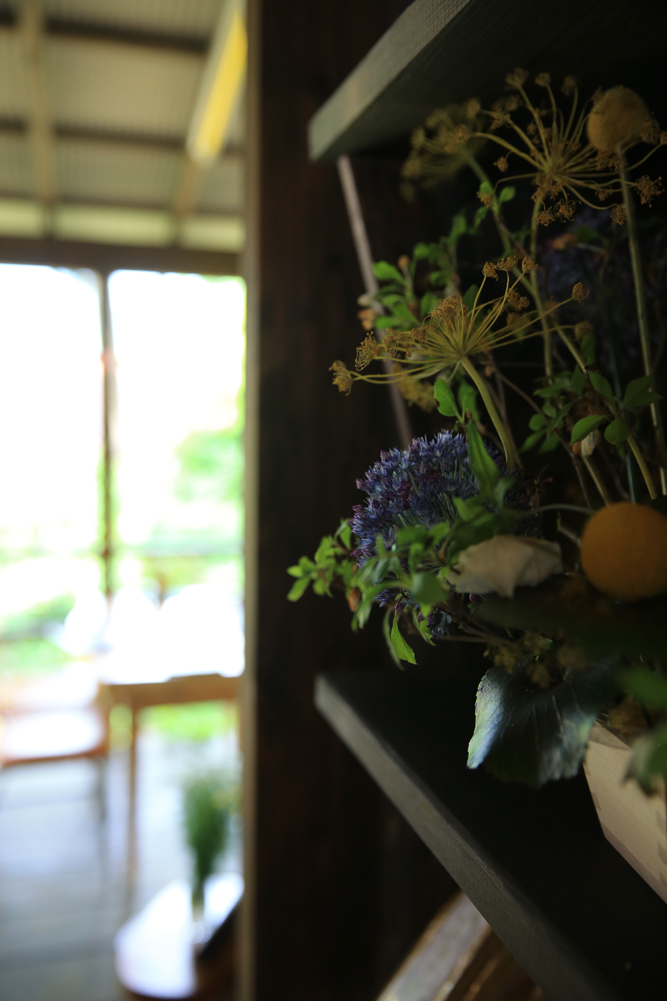
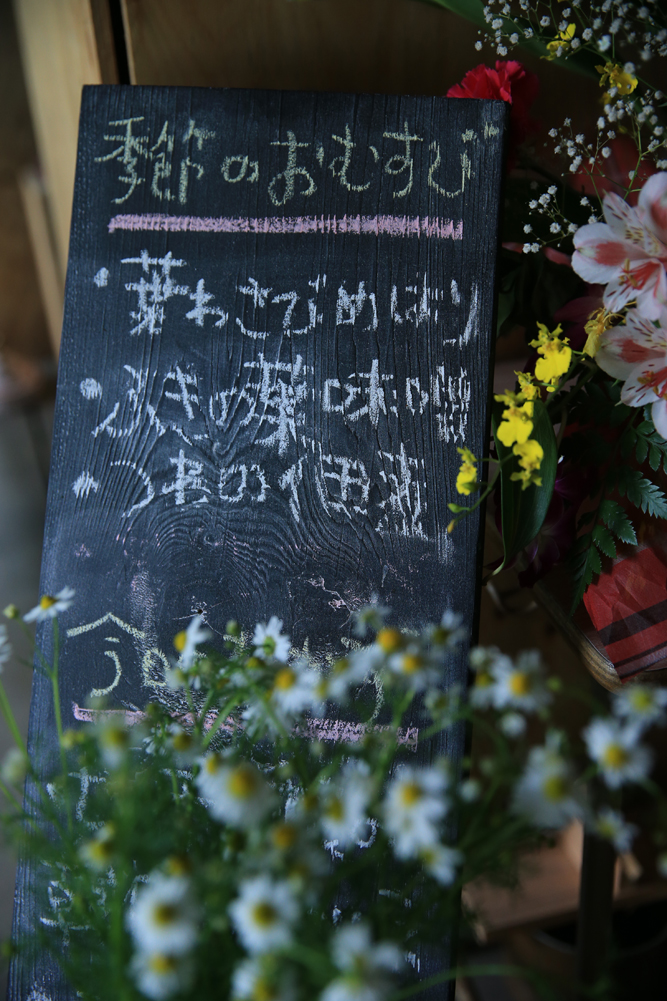
Wild flowers picked in the neighborhood decorate the interior, quietly decorating the café. The daily side dishes are written on a blackboard by the manager and posted at both entrances to the café.
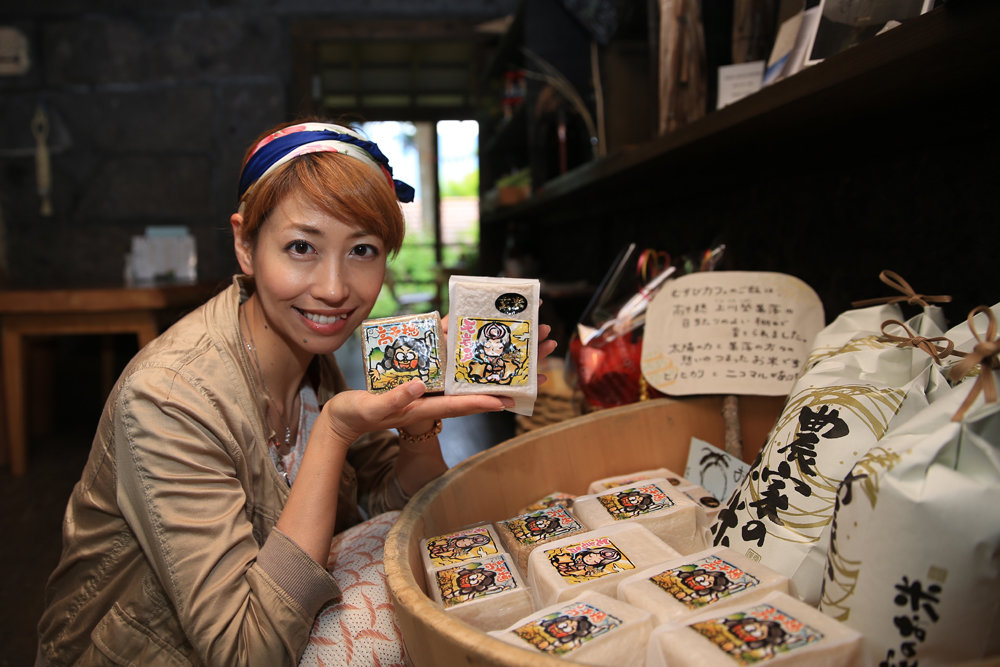
The rice served at ▲Café comes from Takachiho Town, and is sold in stores as milled or unpolished rice in quantities ranging from 2 cups to 2 kilograms. The store always has up to 3 kg of rice on hand, but larger weights are also available! If you would like to order, please ask the staff at the store.
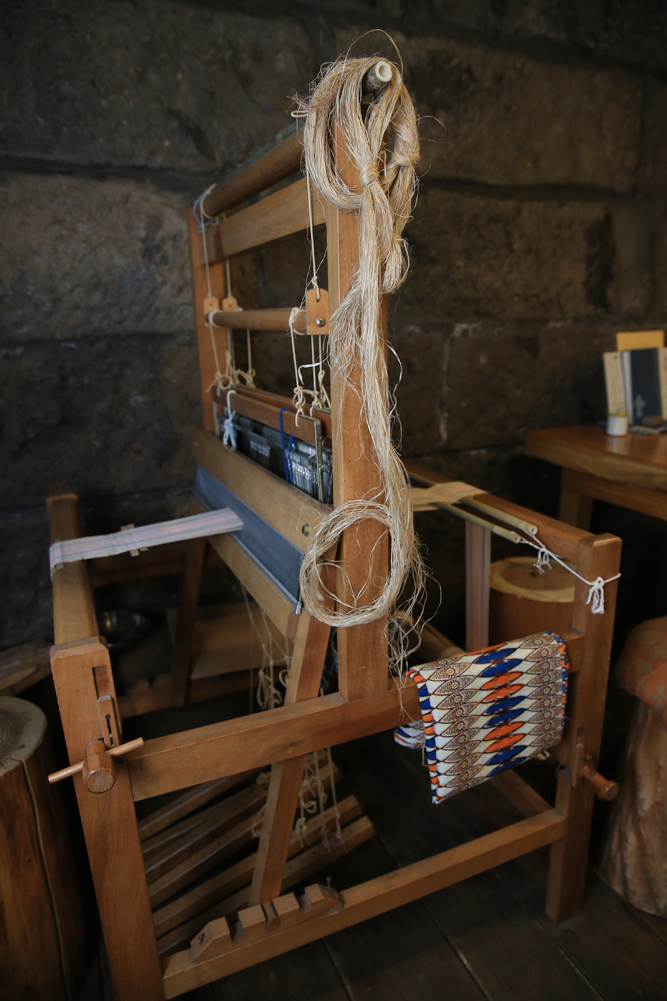
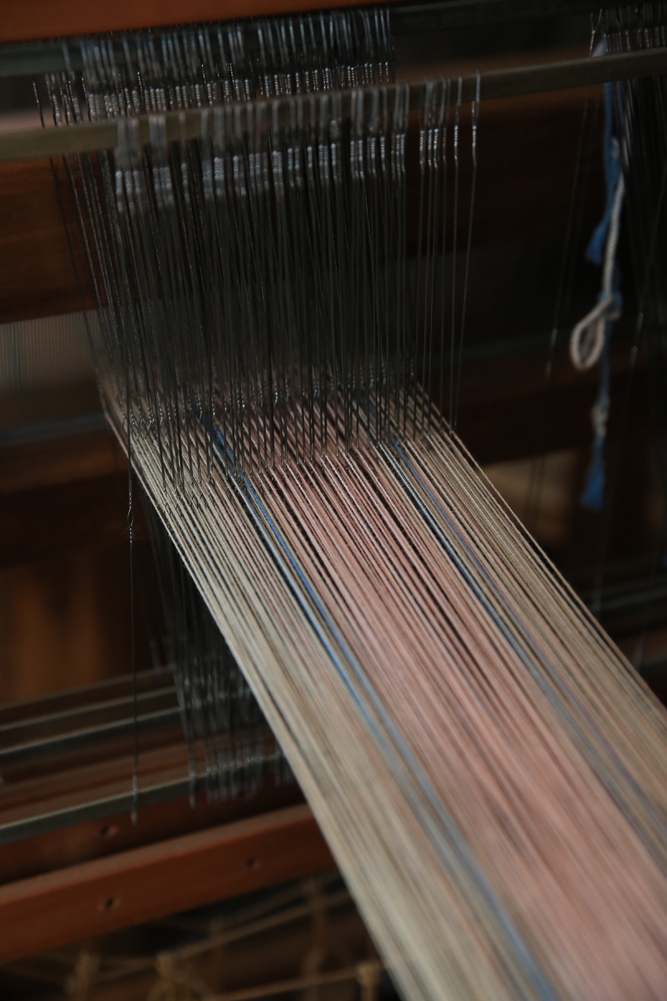
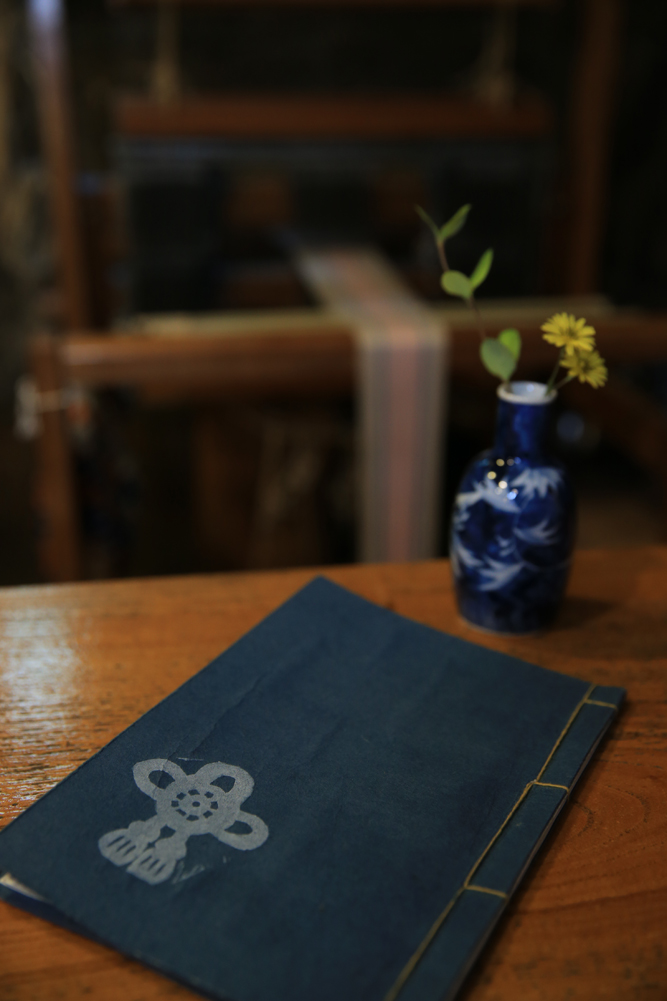
We value people's handiwork," says manager Noriko Hamada (interview follows), who learned weaving outside of the prefecture and actually produces cloth on the loom in the store. She is currently working on luncheon mats requested by customers.
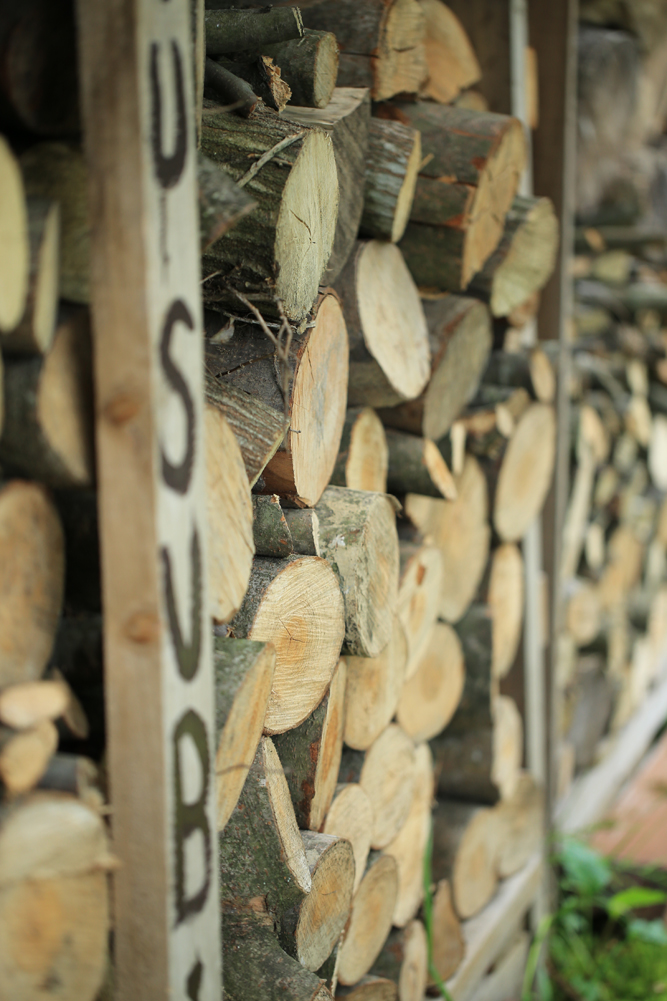
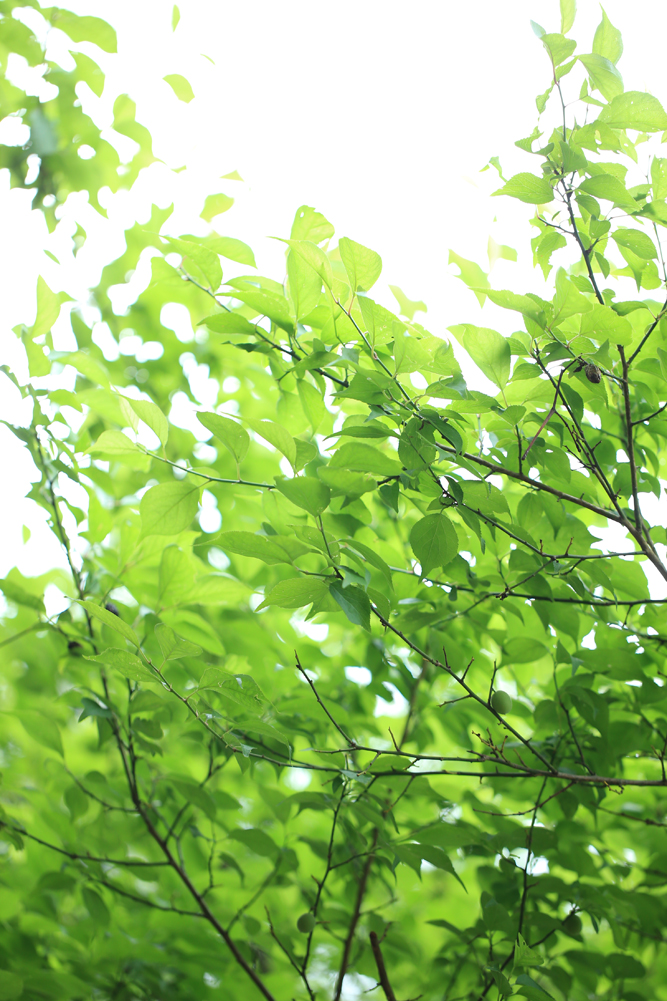
Around the Thousand Storehouses, visitors can enjoy the scenery of the four seasons: the autumn and winter scenes of wood being chopped, stocked, and piled for the wood stove, and the sparkling spring and summer scenes of fresh greenery spreading their leaves as they are bathed in a body full of sunlight in the spring. Many customers visit the café to enjoy these views.
Recommended Menu
At "Musubi Cafe Sen-nin-no-Kura," rice, vegetables, and tea are carefully selected from local products, and seasonings are made from safe and secure products that have been slowly matured through time-consuming handiwork. The menu is made with carefully selected organic ingredients imported from outside of the prefecture and overseas, all of which will give you a feeling of energy and peace of mind!
*Prices and contents are current at the time of the May 2015 interview. Please contact the store for details.
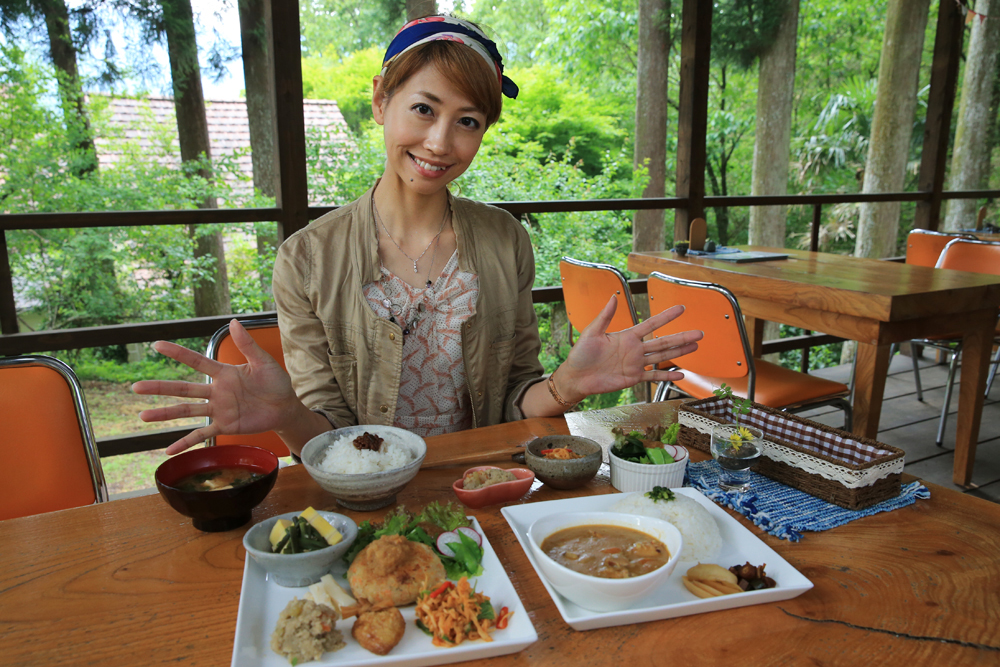
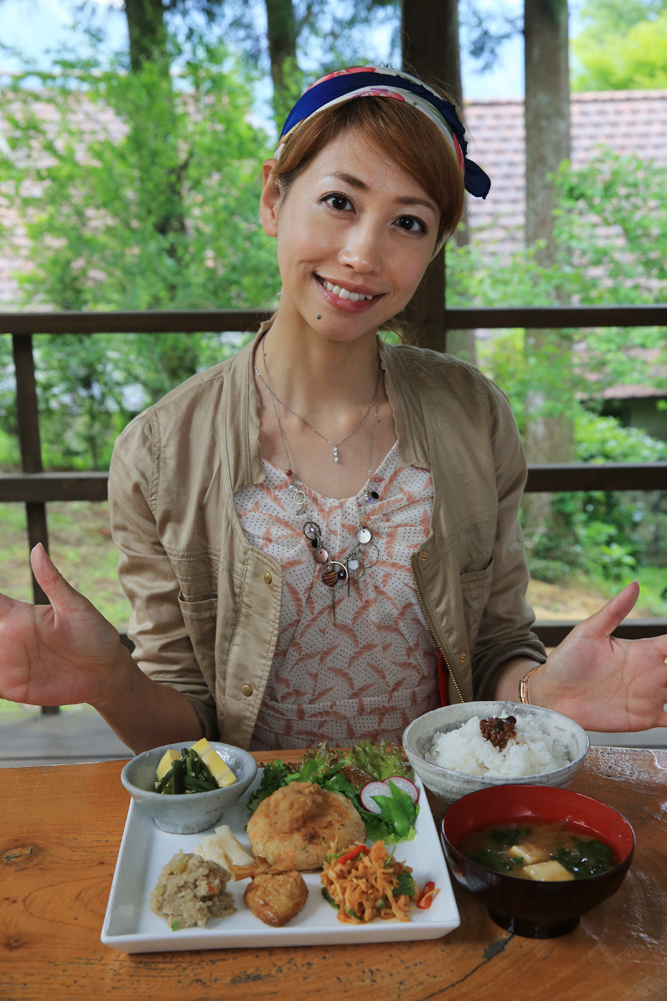
Kura Gohan (limited to 10 servings per day) 1,200 yen (tax included)
This is a lunch menu unique to "Musubi Cafe Sen-nin Kura" that includes a plate of side dishes made with plenty of vegetables, rice, and miso soup!
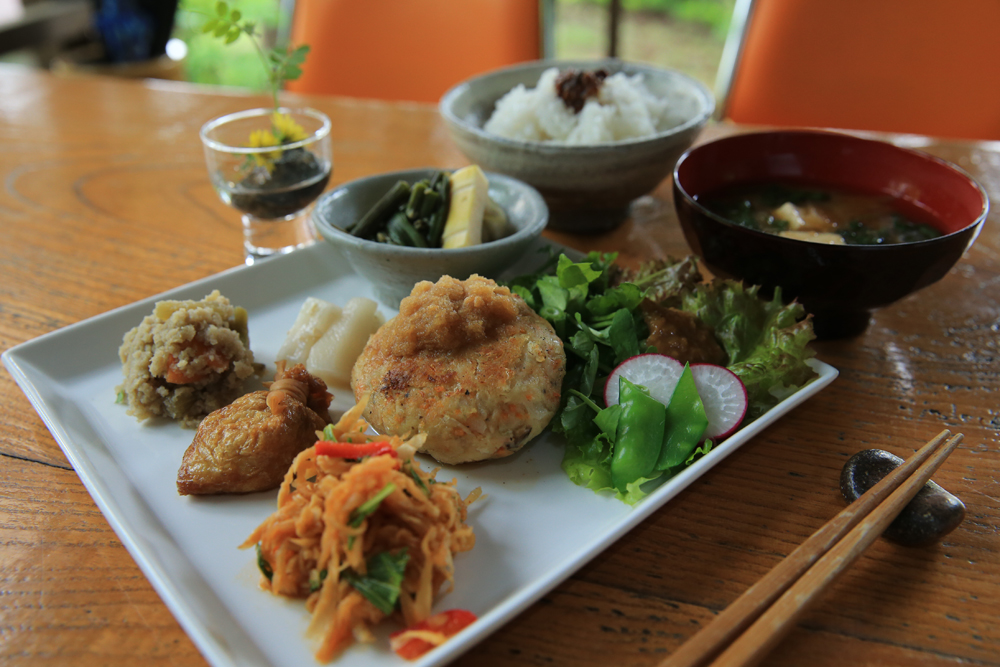
Hamburger steak with torokusumame
reusable knot bag
simmered bamboo shoots and bracken
Pickled daikon radish (sagohachi)
Marinated Kiriboshi Daikon with Korean Style
Uwa-no-hana (Deutzia crenata) with blowtorch
Vegetable Salad
Gohan (Nikomaru) Moromi Miso
Miso soup with plenty of vegetables
※Starting on Wednesday, the menu will change weekly.
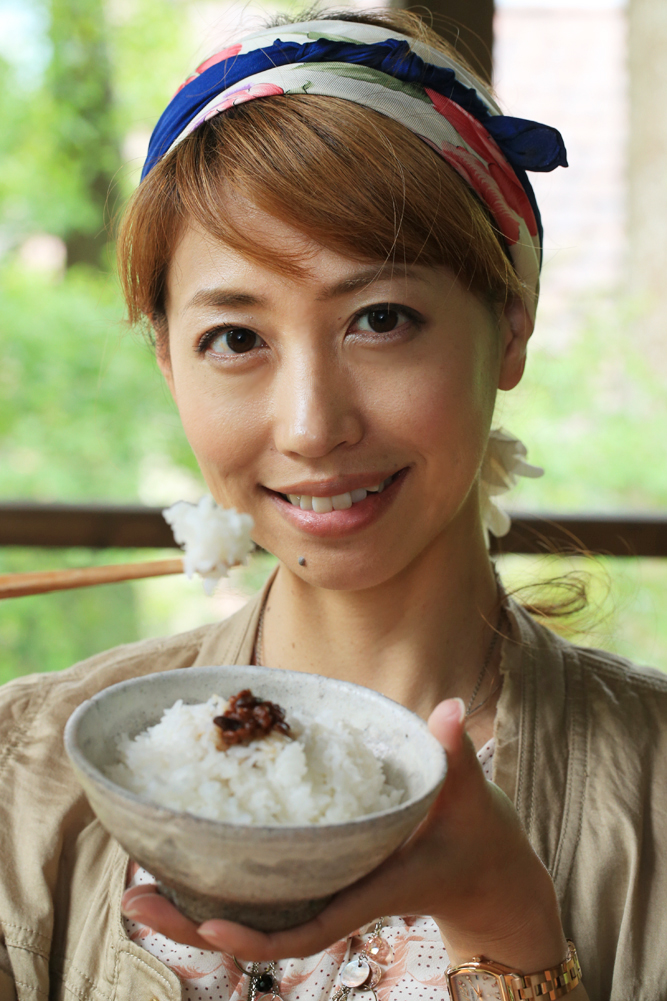
Rice (left image))
The rice variety is called "Nicomar",The grains are large and shiny, and each grain is distinctive. The rice feels smooth and elastic as it unwinds in the mouth, and the more you bite, the sweeter it becomes. Rice can be purchased in the store!
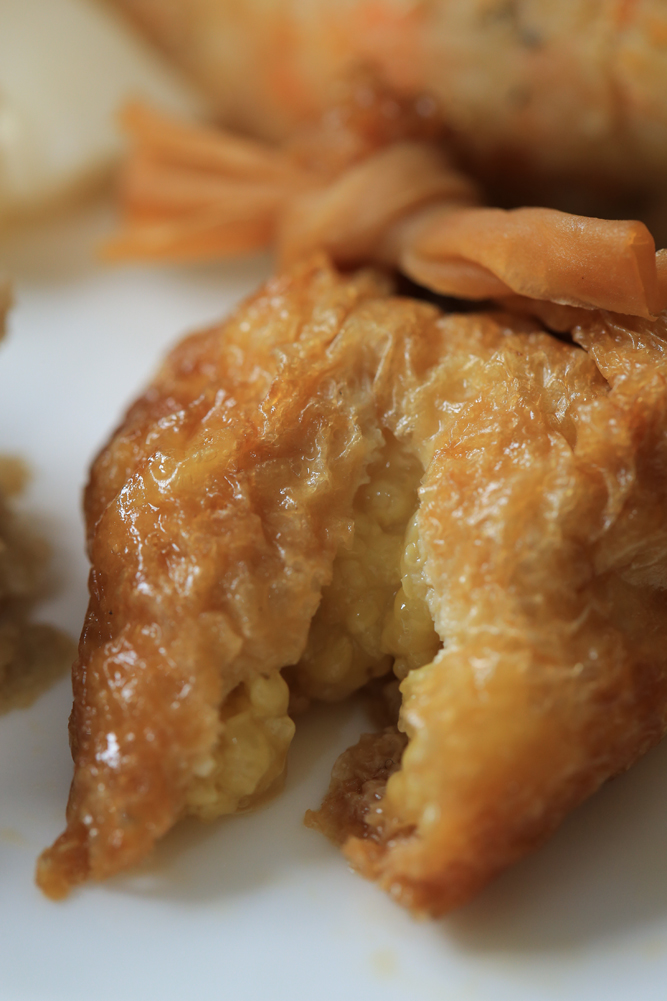
Musubi bag (right side of the image)
Owner Tetsuro Fujiki's Takachiho glutinous rice is wrapped in a bag.The slight sweetness of the glutinous rice is locked in by the ague, which is chunky yet juicy.
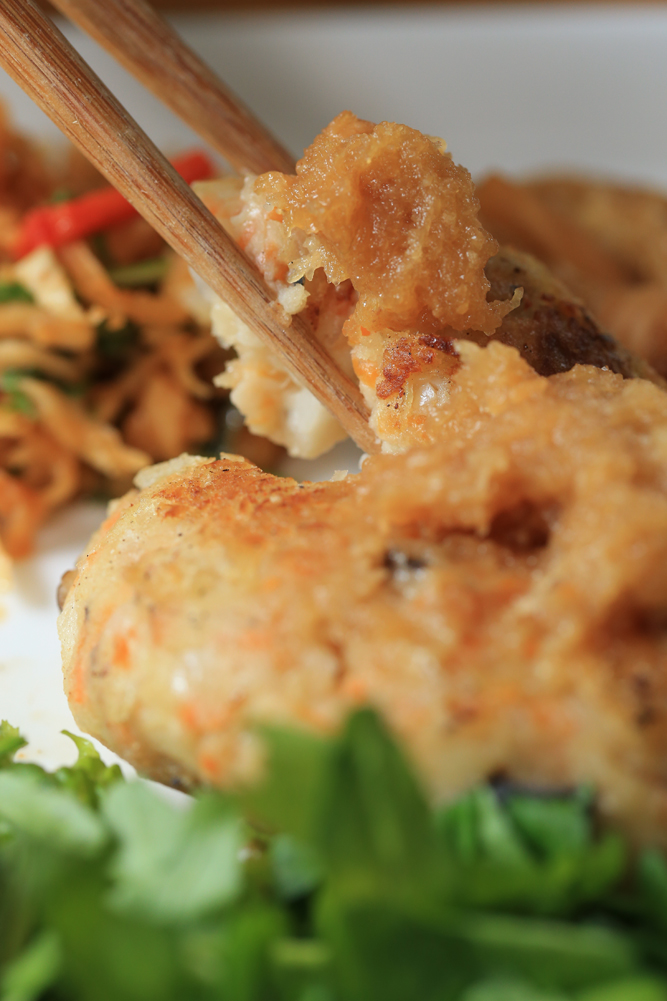
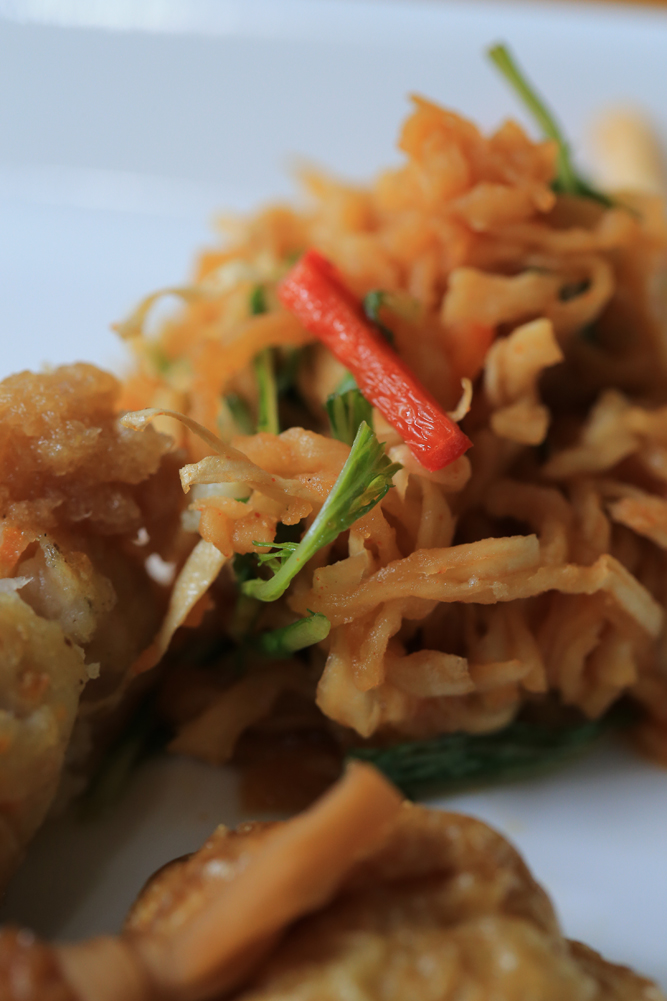
Hamburger steak with ▲16 beans (left image)
A healthy hamburger made by carefully grinding beans and mixing them with vegetables. I expected it to be soft and fluffy, but was surprised to find that it was surprisingly sticky and had a strong presence! You will be enveloped by the simple and gentle taste and aroma of the beans.
▲Korean-style marinated kiriboshi-daikon (right image)
Kiriboshi Daikon, a major ingredient in Japanese home cooking, is given an Asian twist to create a new kind of side dish! The crunchy texture of the vegetables is accented with tangy spices!
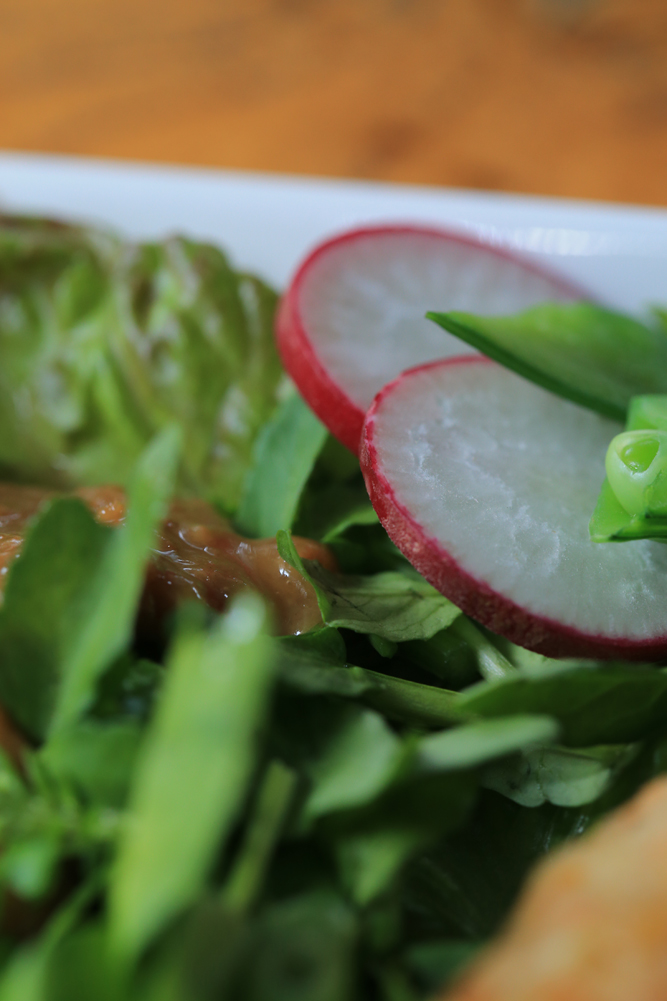
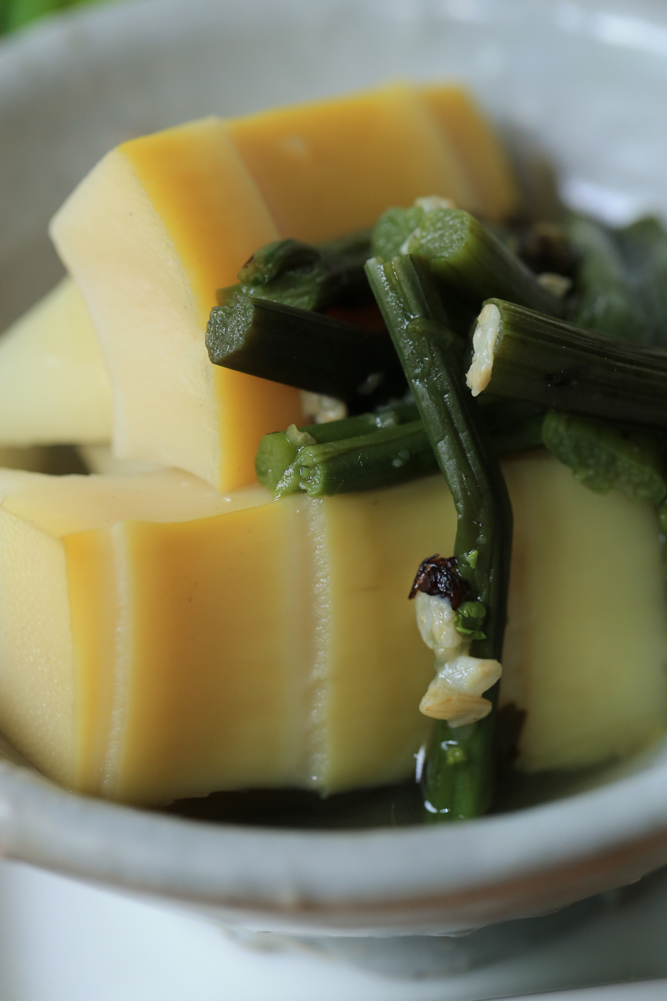
Vegetable Salad
Homemade freshly picked local vegetablessweet drink with dressingThe sweetness of the miso sauce enhances the freshness of the vegetables. The sweetness of the miso sauce enhances the freshness of the vegetables.
simmered bamboo shoots and bracken
Bamboo shoots and bracken from nearby mountains are carefully cooked and their scum is frequently removed to create this seasonal side dish with a gentle flavor. It is a dish that reminds one of the season.
Today's curry set 850 yen (set includes salad and two small bowls of food)
Single item 700 yen
50 yen discount for additional beverage or sweet
This very popular curry has been a regular menu item since the opening of the restaurant. Previously, two types of curry were offered as a fixed menu item, but now you can enjoy various styles of curry as "Today's Curry". The rice served in a heaping pile looks lovely.
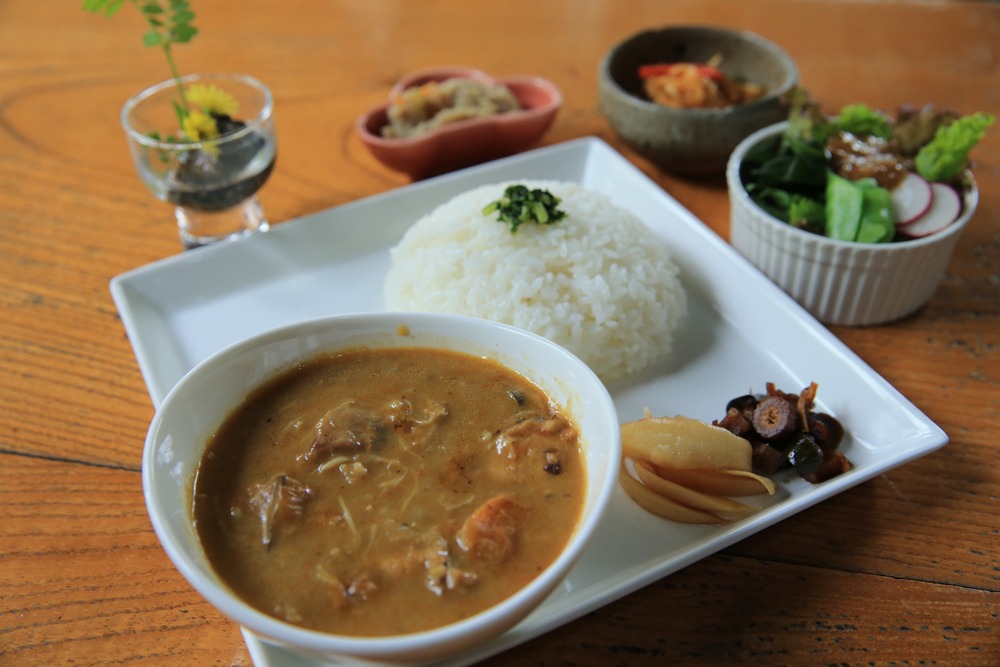
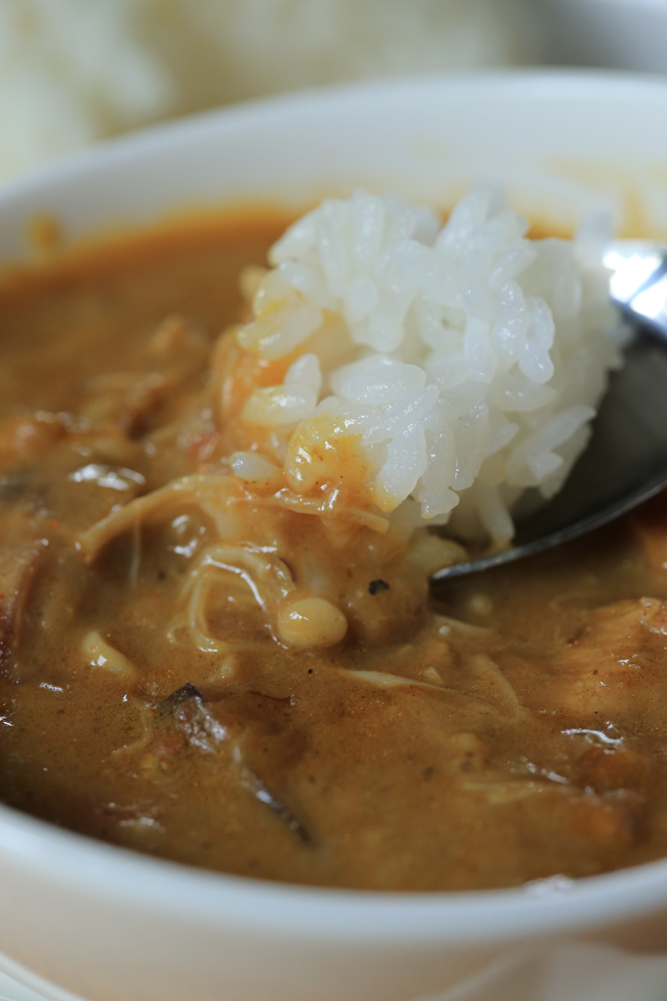
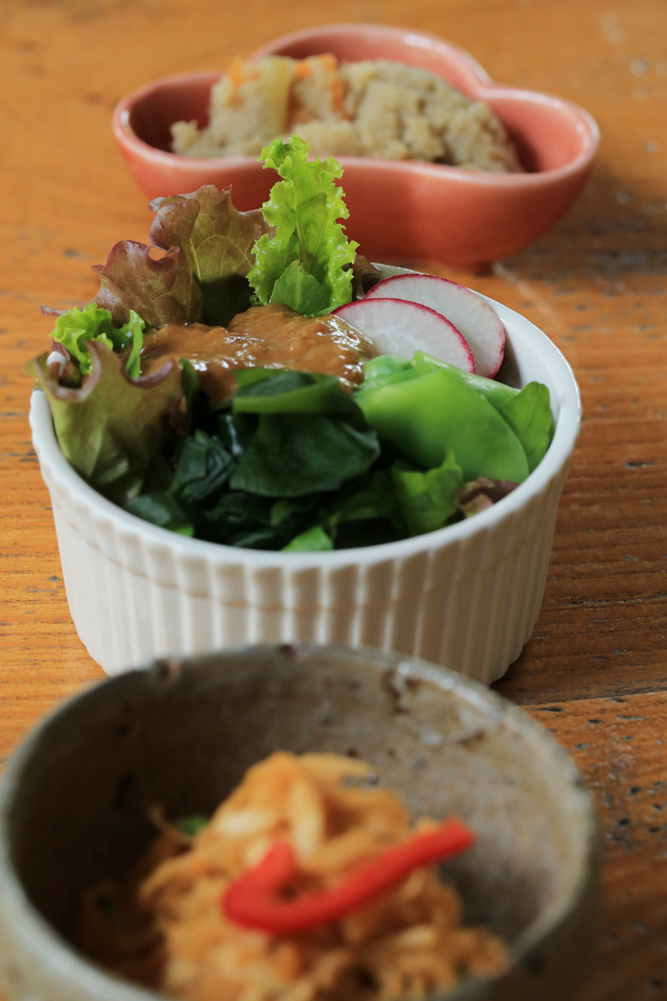
Coconut Curry with Chicken and Mushrooms, 2 side dishes and salad set
The oriental aroma that seems to foretell the beginning of summer and the mildness of the bird's umami oozing out will be addictive! It goes well with rice.
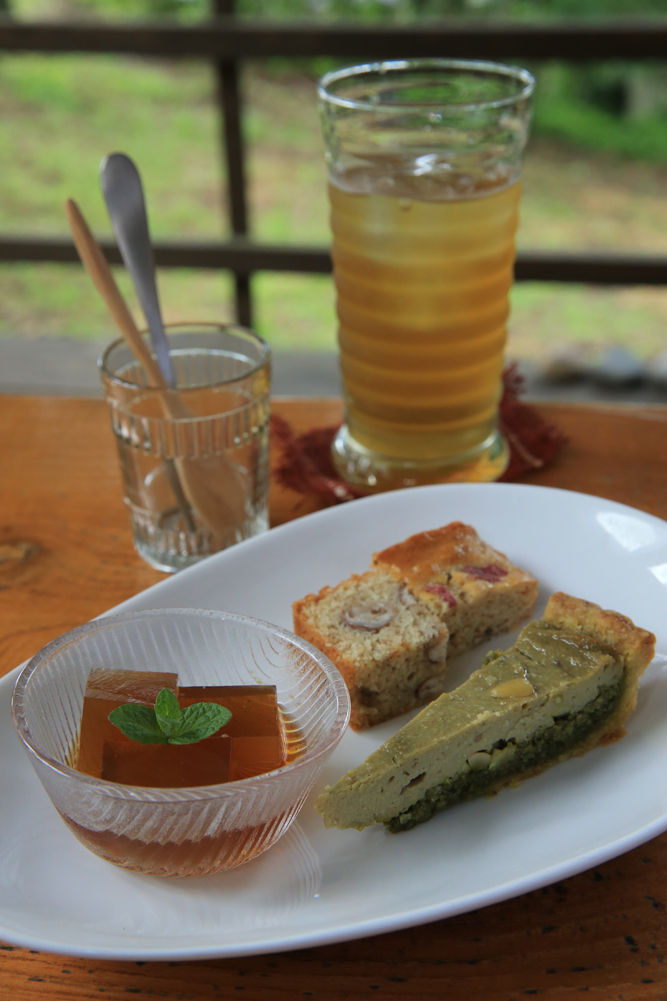
Lunchtime dessert and drink set (+500 yen)
*Dessert set only (+300 yen) / Drink set only (100 yen discount for a choice of your favorite drink)
*Varies depending on season and availability.
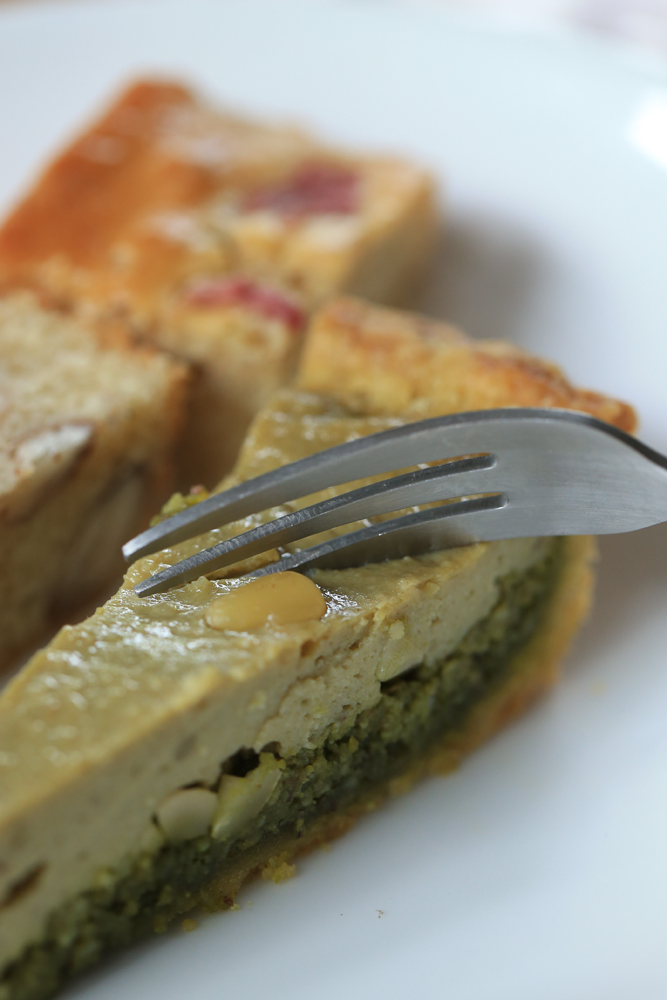
Tea and Sake Lees Cheese-Style Tart (left image)
A dessert for adults with the aroma of sakekasu and the astringent taste of tea. The mild and firm cream has a cheese-like texture! The nuts topping creates a very nice rhythm♪
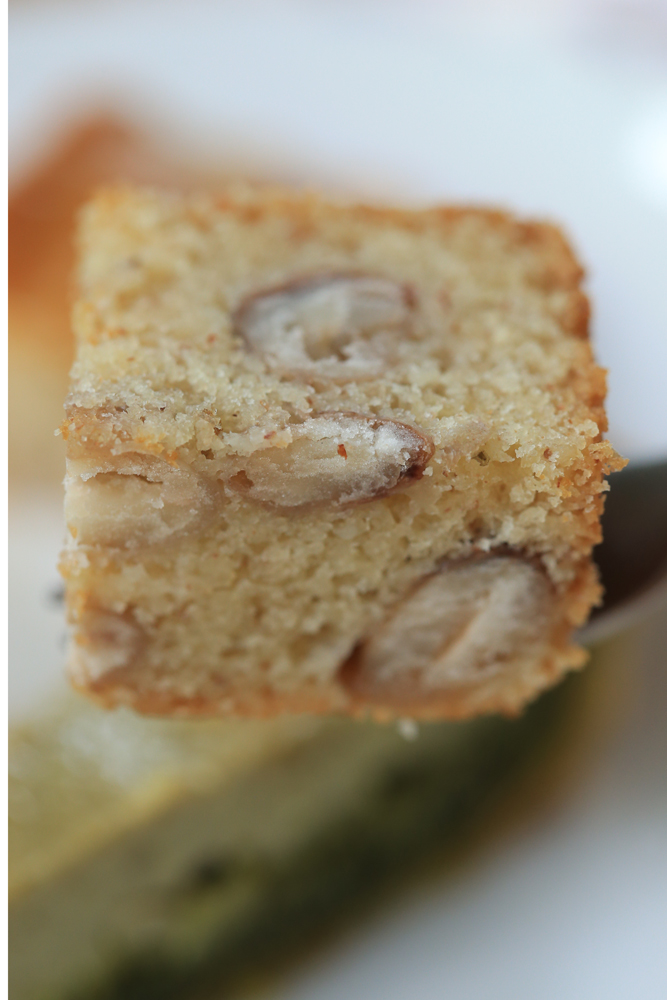
▲Cherry Blossom and Tiger Bean Pound Cake (right image)
The salted cherry blossoms from Takachiho and the sweetly cooked tiger beans create an exquisite "sweet and sour" sweet. The addictive flavor will make you eat as much as you want♪
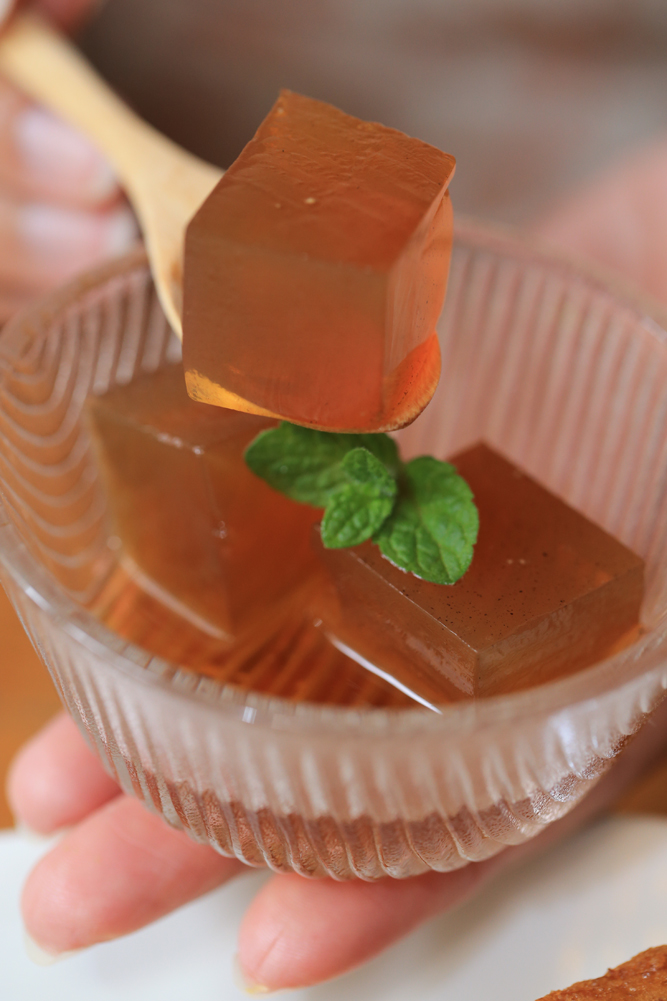
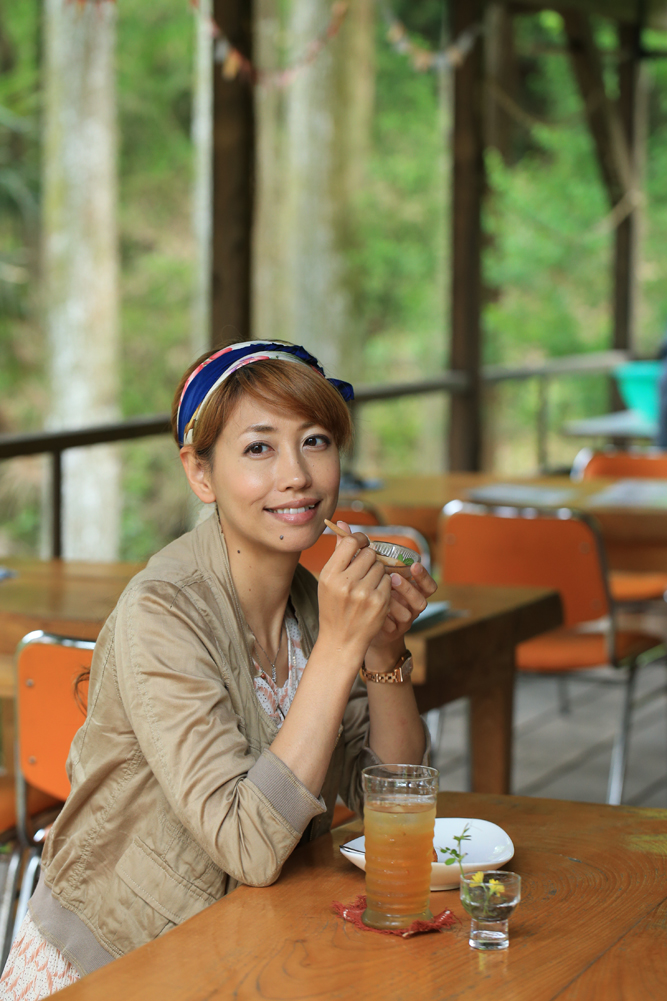
San-nen-bancha (green tea) jelly
This sweet is a limited lunch dessert of the day. The simple aroma and freshness of bancha tea seems to quietly heal your stomach after eating a lot.
Interview Owner: Mr. Tetsuro Fujiki (Representative of Hyuga Jikansha) Manager: Ms. Noriko Hamada
We want to create a place where free minds can gather and connect with each other, a place of "Musubi no Toka.
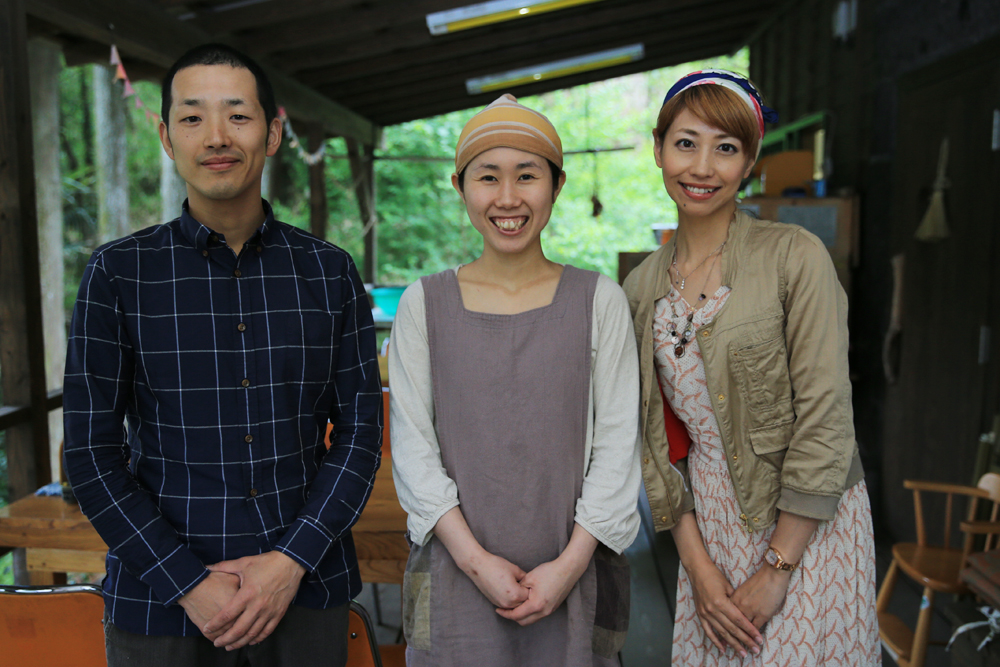
Tetsuro Fujiki, owner of Musubi Cafe Sen-nin-no-Kura and representative of Hyuga Jikansha (left image) Noriko Hamada, manager of Musubi Cafe Sen-nin-no-Kura (center image)
Q: When did Musubi Cafe Sennin no Kura open?
Fujiki: "May 2014."
Q: What are your impressions so far?
Mr. Fujiki: "Ishikura is very charming, and we ourselves who work there are very relaxed. I really felt that a café is a "place of exchange" when friends, acquaintances, and tourists from both local and distant places stopped by the café. It was the first time for me and my staff to manage and operate a café, so we were in a state of groping, and after a year of repeated trial and error, it finally came to pass. I feel both the difficulty and the importance of continuing to exist.
Ms. Hamada: "At first, I started with just what I could do, and changed the menu after I got used to it. Every day is so hectic that I don't have time to cook at home (laughs)."
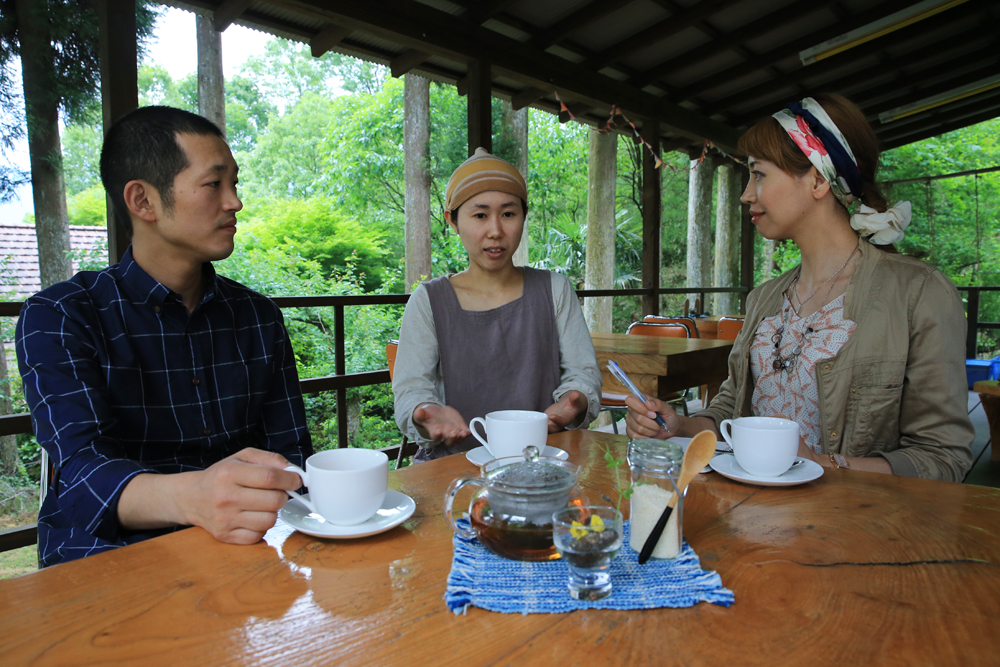 Q: Why a cafe at this location?
Mr. Fujiki: "Actually, the Thousand People's Storehouse itself was started in 2009, and although we have made various efforts in the past, they did not go very well, and we changed the form twice before. At that time, I was unable to help in any way, and despite my advanced age, I was left feeling sorry for the village revitalization group that continued to work so hard. When I was asked if I would be interested in running a café with a group of young people, I was so grateful that I was able to help them. I accepted the offer, feeling a sense of fate. In reality, all I do is administrative work, and Noriko is the one who decides on the menu and develops the food.
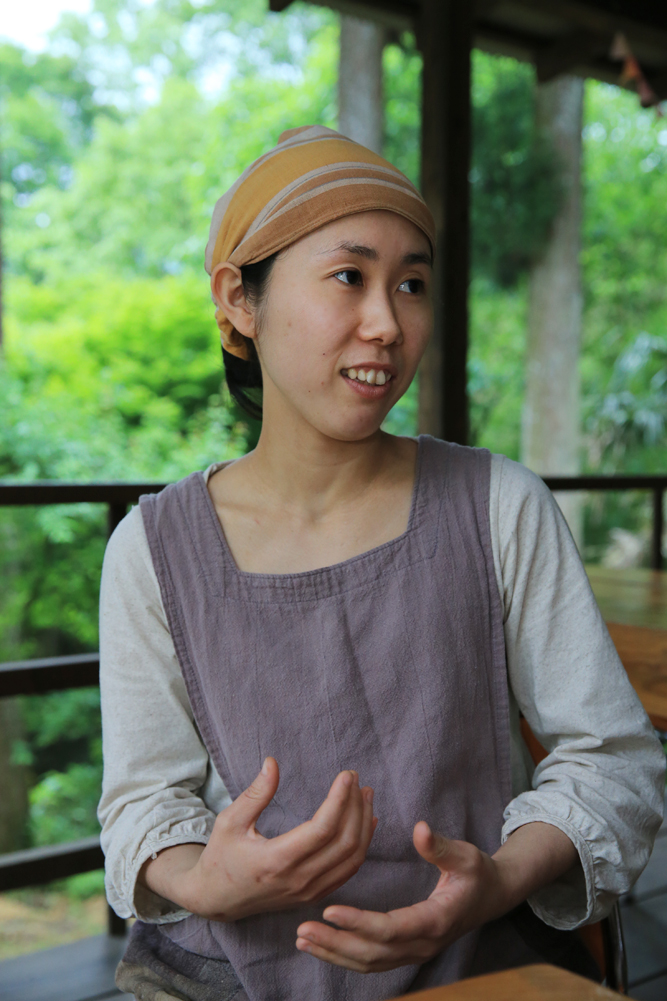 Q: What are your specialties regarding food?
Mr. Hamada: "We make as much as possible by hand. However, we cannot produce basic seasonings such as soy sauce, miso, and oil at this time, so we choose high-quality products. As for seasonings and dressings, we make all of them by hand. We also prepare our menu with a focus on vegetables that cleanse the body, and we also incorporate meat and fish, while paying attention to the 'satisfying' aspect of the meal.
Q: Speaking of handmade, you have a loom in your store.
Ms. Hamada: "Before coming here, I studied weaving and dyeing in Kurashiki City. Works made by hand have warmth, expression, and individuality that is different from machine-made products. I work in the store in the hope that the customers of the café can feel such handiwork as much as possible.
Q: What are your future goals?
Mr. Fujiki: "It would be nice if we could create a place where everyone can relax. I would be grateful if everyone could gather there, and if the storehouse of a thousand people could continue to exist for a long time. I feel that new things could be born from this. As the name “Musubi Cafe Sen-nin no Kura” suggests, I would like to work in such a way as to connect time, connect people, and bring smiles to people's faces. Even before starting the café, we have continued to purchase and sell rice at the “reproduction price,” a price at which farmers do not lose money growing rice. I would like to carry out activities that can connect the beautiful terraced rice fields and the landscape of Takachiho without fear for food. I plan to learn as I go, conduct interviews and photography, and disseminate information about farming, handicrafts, and other aspects of rural culture. One person's power is limited, so I hope that the "power of a thousand" will come together spontaneously to create a rich culture. I would like to create a "kura" where everyone can gather, exchange, transmit, and accumulate such information and culture.」
Hamada: "In the near future, we would like to offer weaving and dyeing workshops and a market featuring handcrafted works.
Thank you for your time!
Access
Musubi Cafe Sen-nin-no-Kura
Address: 92-2 Gogamura, Oaza-Iwato, Takachiho-cho, Nishi-usuki-gun, Miyazaki Prefecture
Phone/Fax: 0982-74-8080
Business hours: 11:00-18:00 (lunch time 11:00-14:00)
Closed: Tuesday
Parking: 10 cars
URL:http://www.amanoiwatoonsenmura.jp
guidance
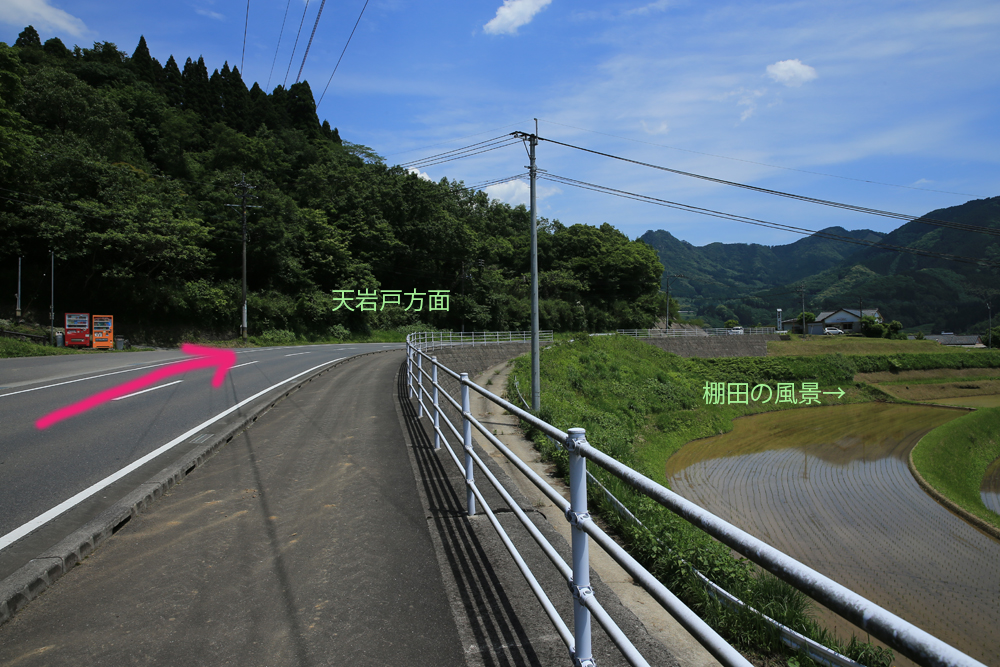
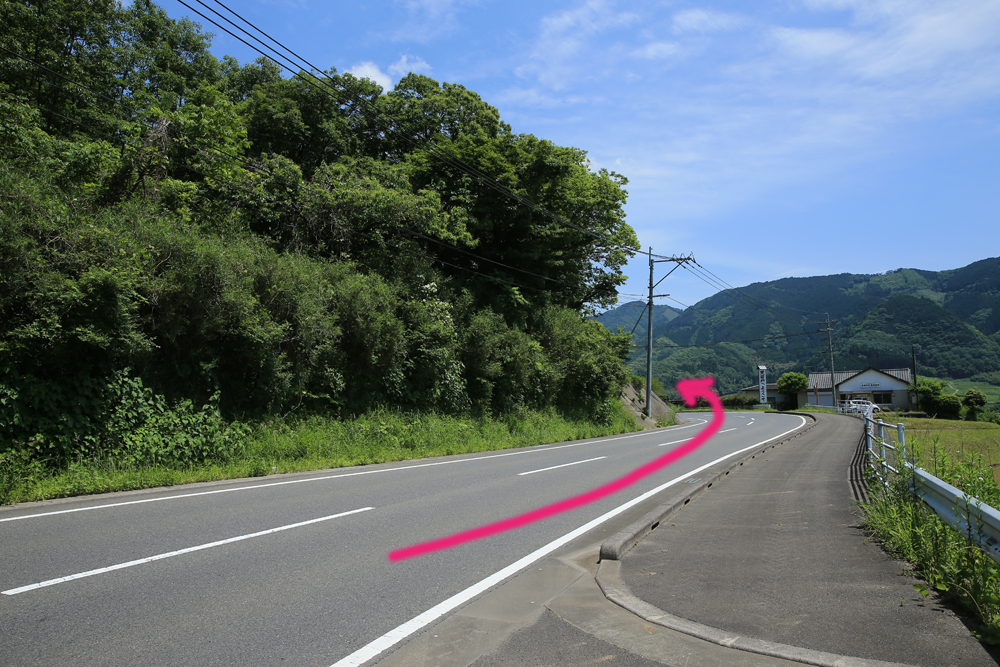
Turn onto Prefectural Route 7 toward Ama-no-Iwato Shrine at the Umamon intersection on National Route 218 (the intersection where the Joyful Miyazaki Takachiho point is located) and follow the road for a while.
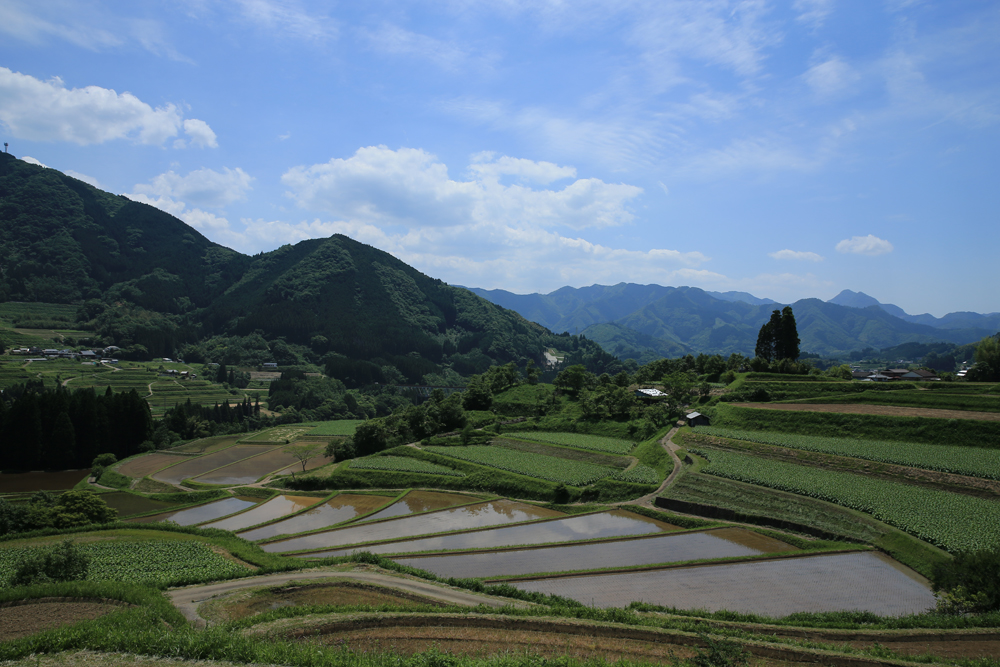
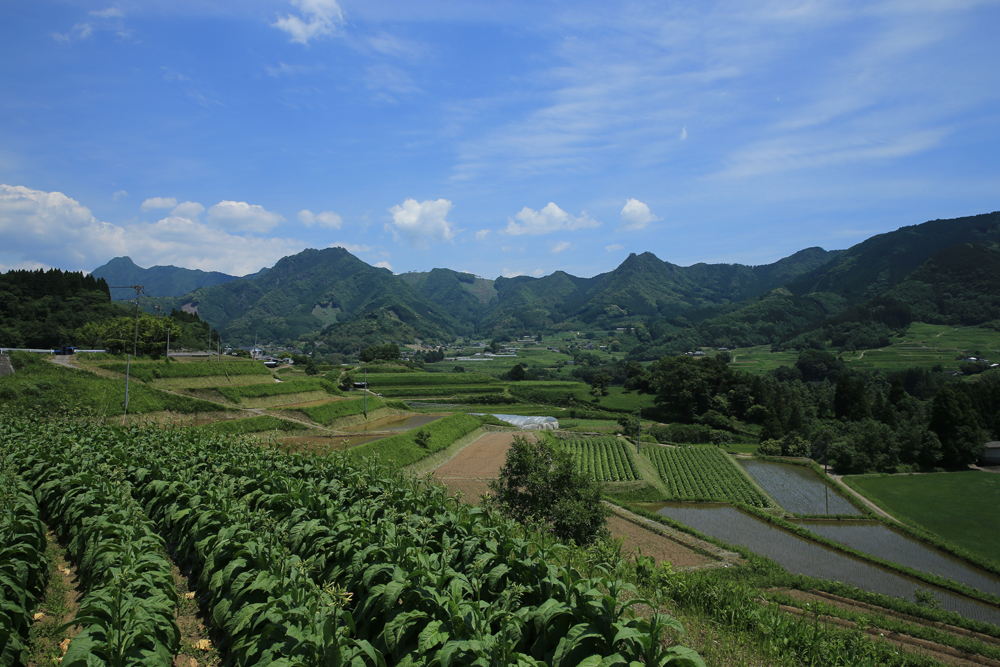
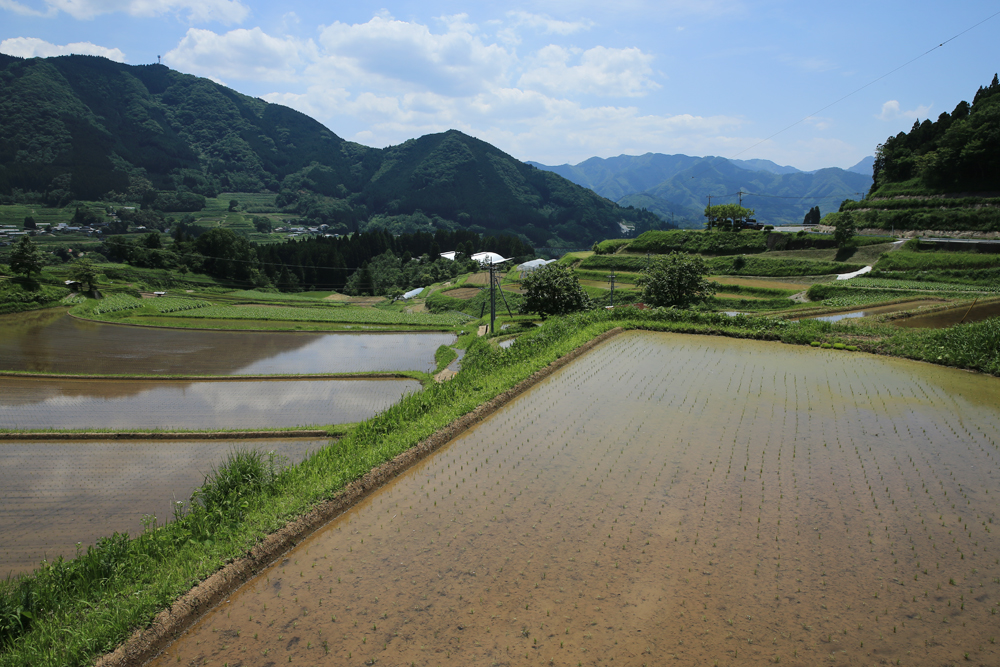
On the way, on the right side of the road, you will see a spectacular view of terraced rice paddies inherited from long ago combined with a rich mountain range.
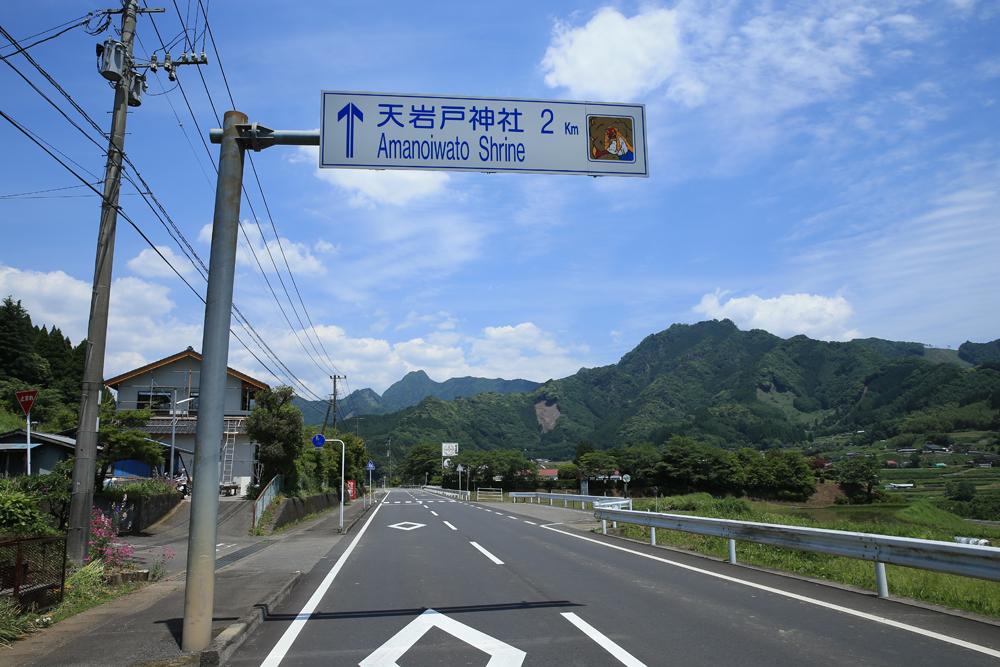
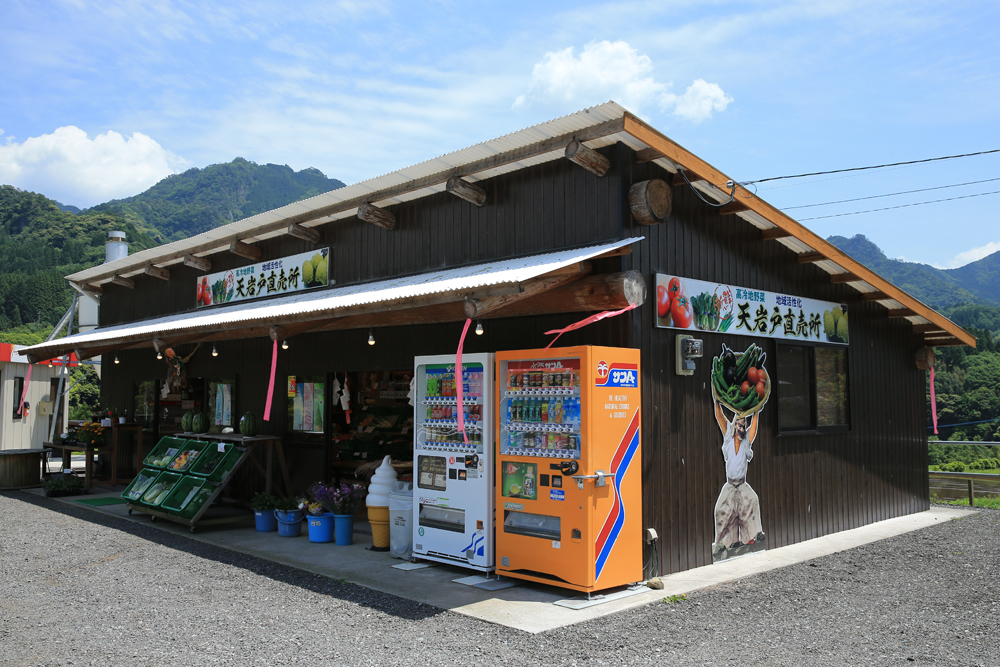
▲At the intersection with a traffic light ahead of the signboard in the image above and the Ama-no-Iwato direct sales shop on the right.
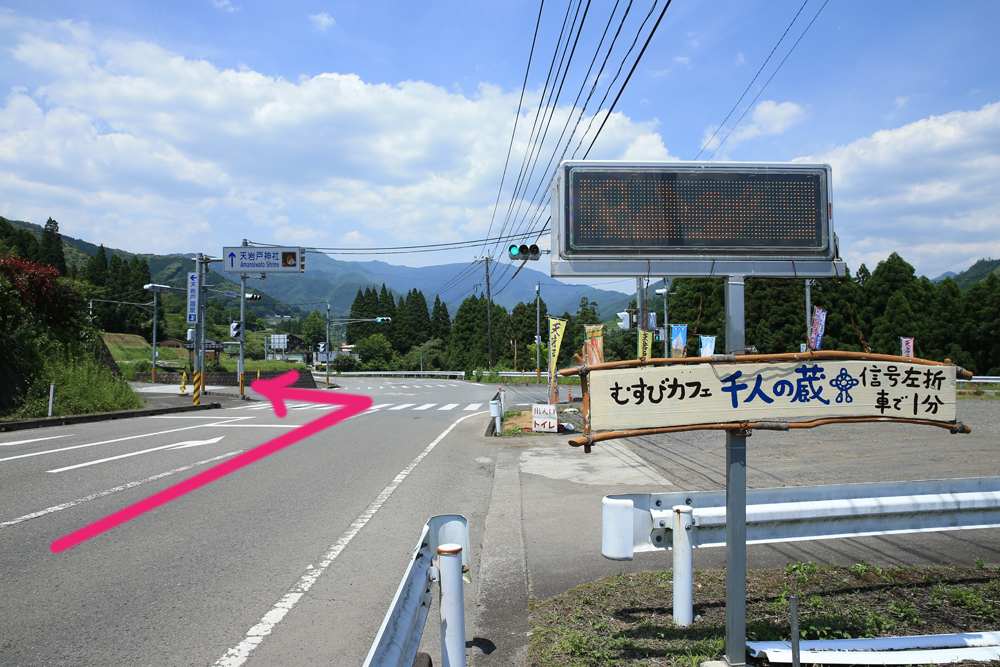
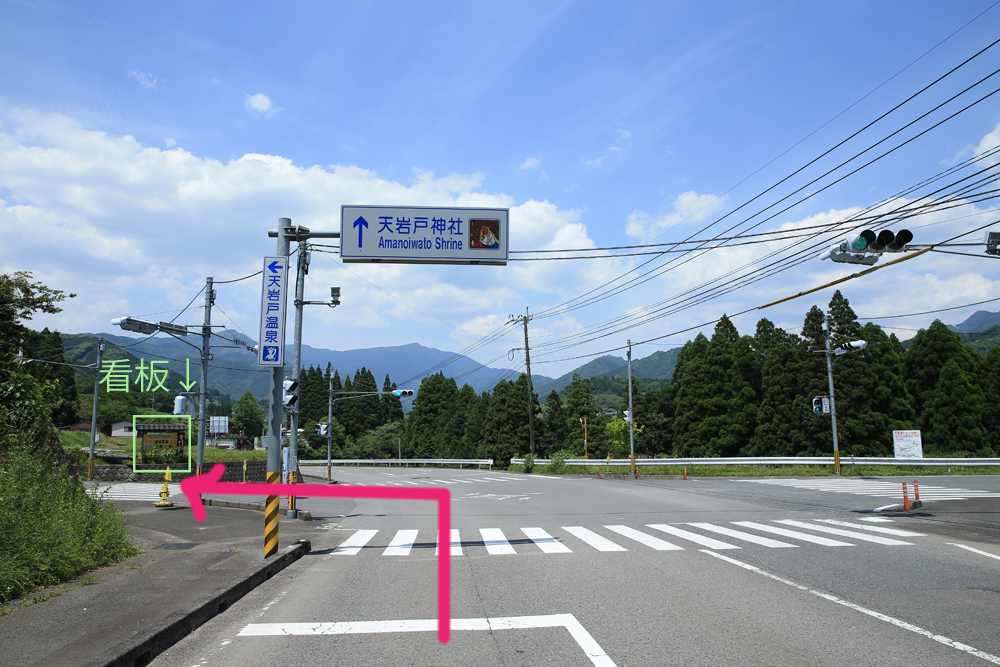
Turn left at the ▲ traffic light.
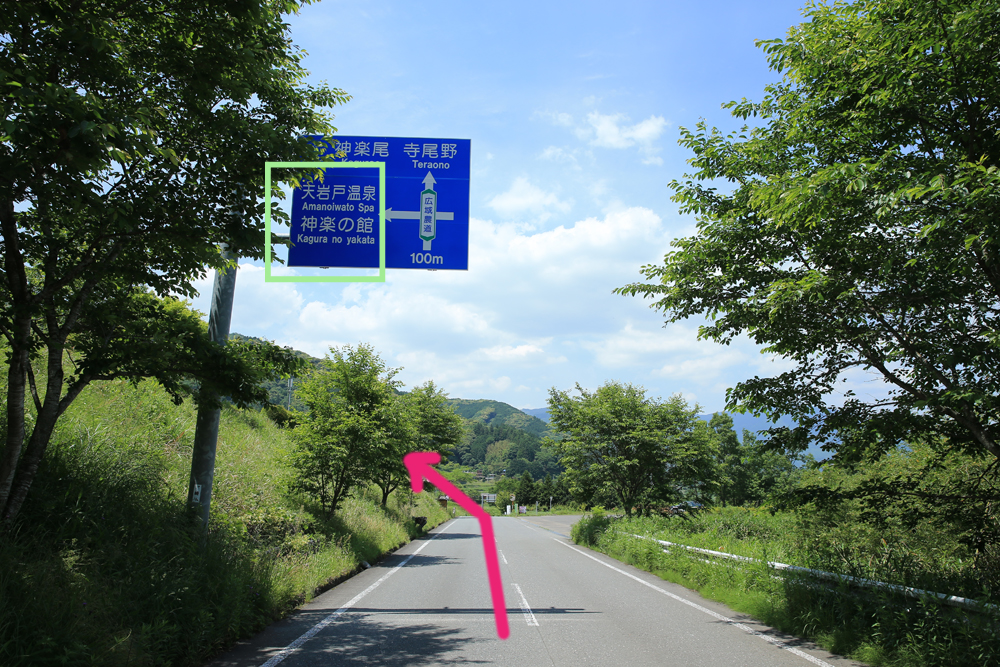
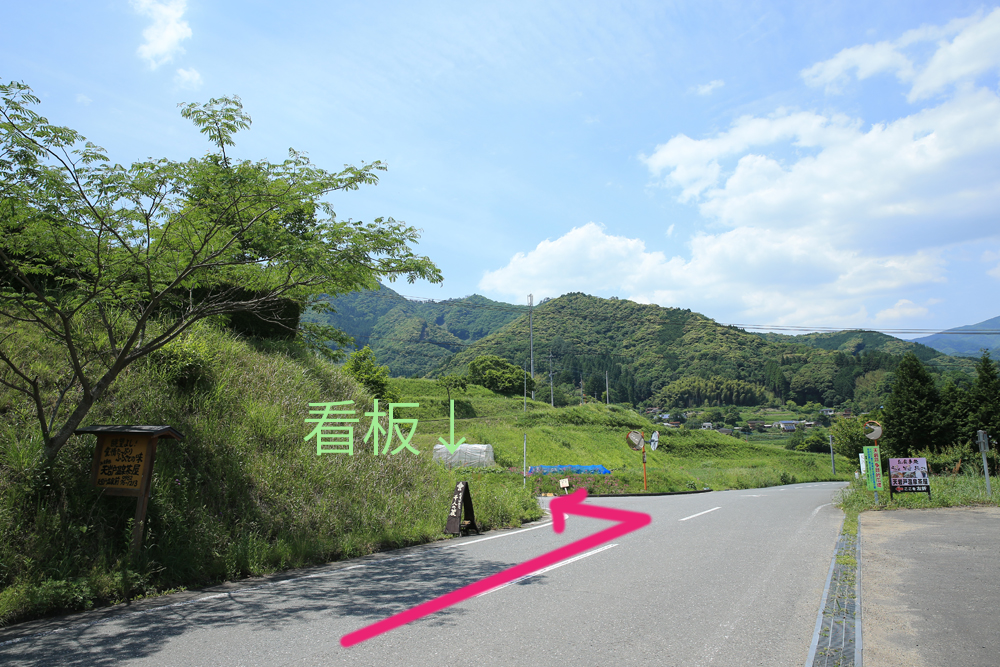
▲A few hundred meters ahead, you will see a sign like the one in the image above. Continue in the direction of Ama-no-Iwato Onsen.
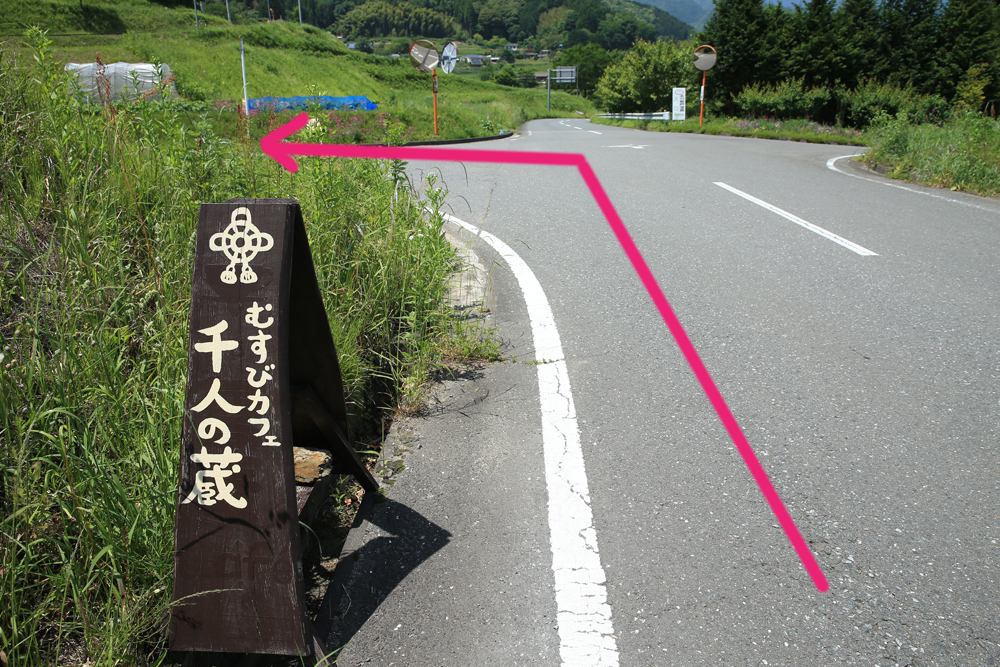
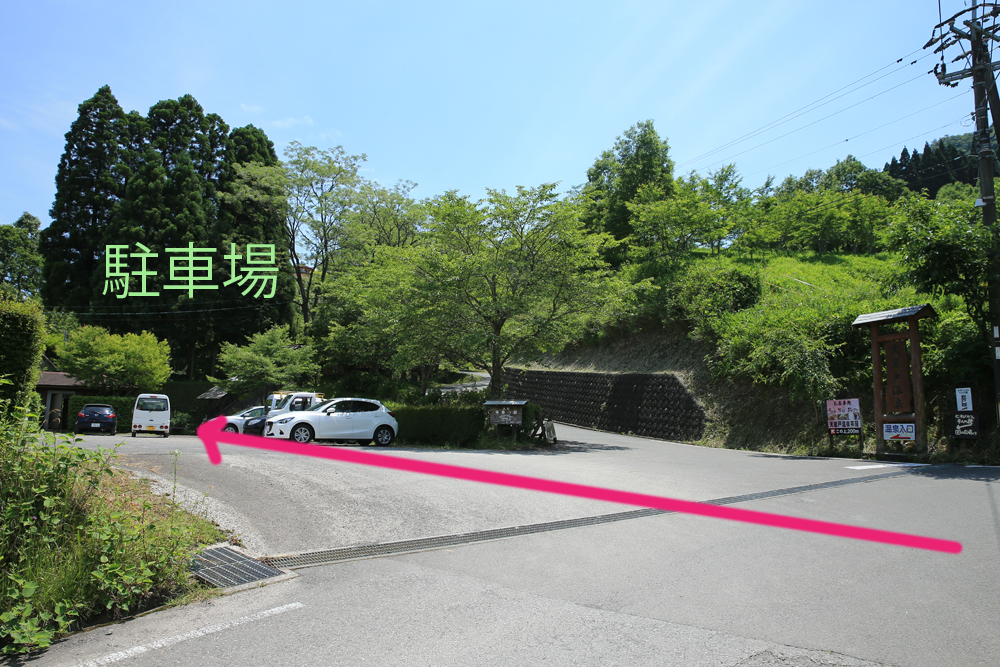
When you proceed in the direction of ▲ Onsen, you will see a large parking lot on your left. This parking lot is available for visitors to the Musubi Cafe Sennin no Kura.
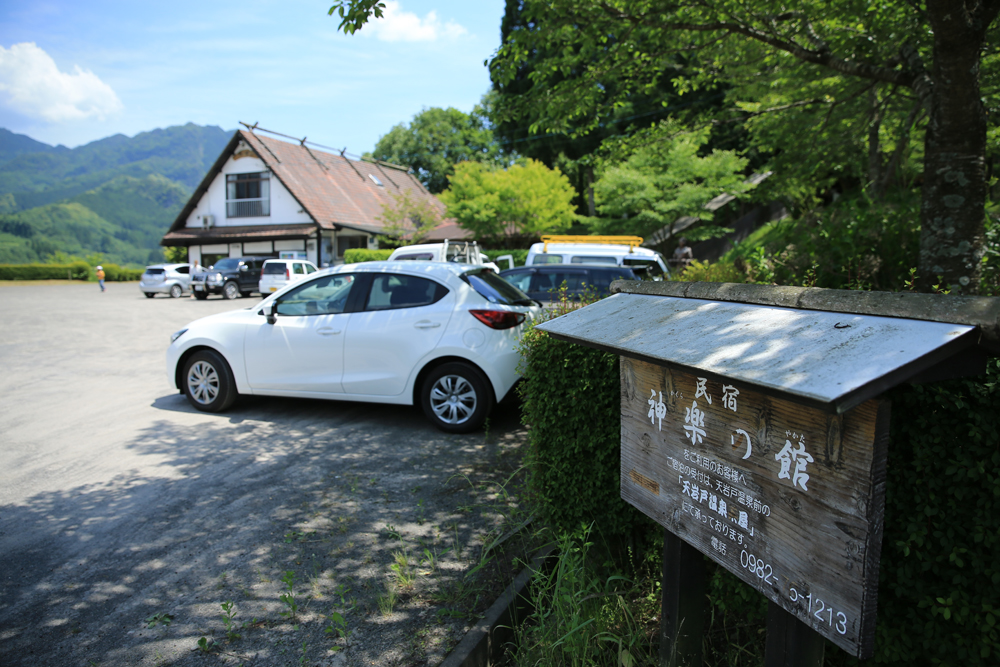
The old Gassho-zukuri private house seen in the back is the "Minshuku Kagura no Yakata.
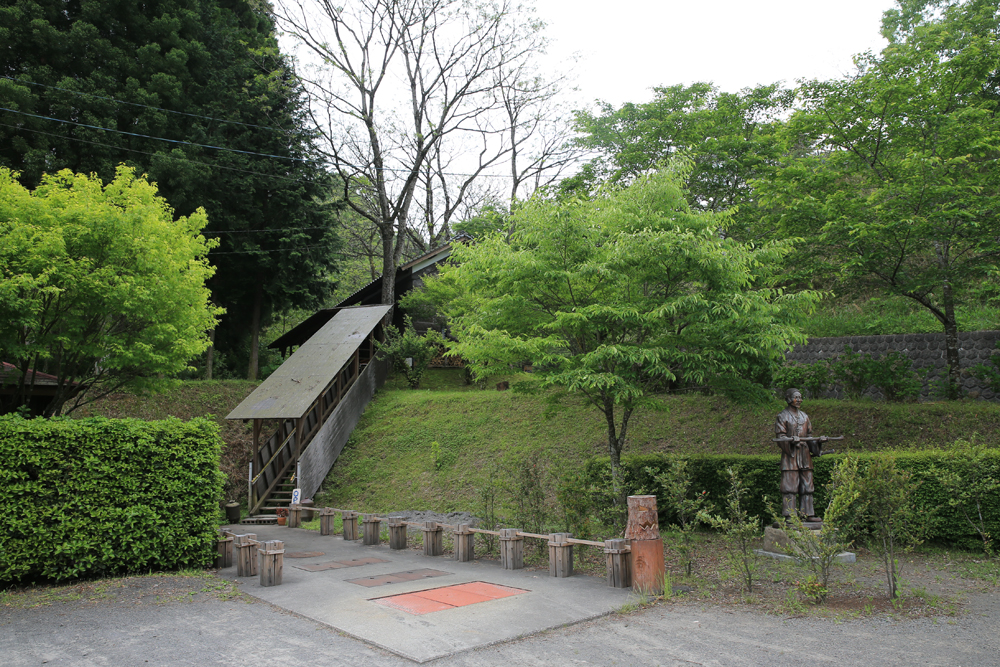
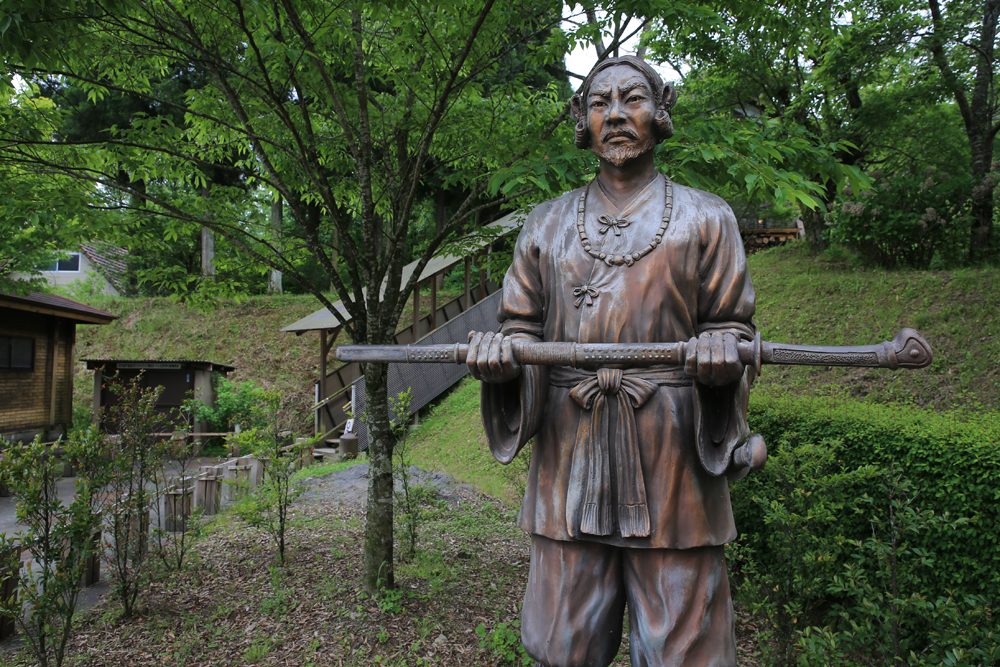
Climb the stairs next to the parking lot to reach the store terrace. The right image above is "Susanoo-no-mikoto," the guardian deity of the Ama-no-Iwato hot spring village.
MAP
92-2, Iwato-Gokamura, Takachiho-cho, Nishi-usuki-gun, Miyazaki 882-1621, Japan
Interview and editorial staff
Model Report: Nozomi Nakamoto
Photography and production: VOKE Ltd.