


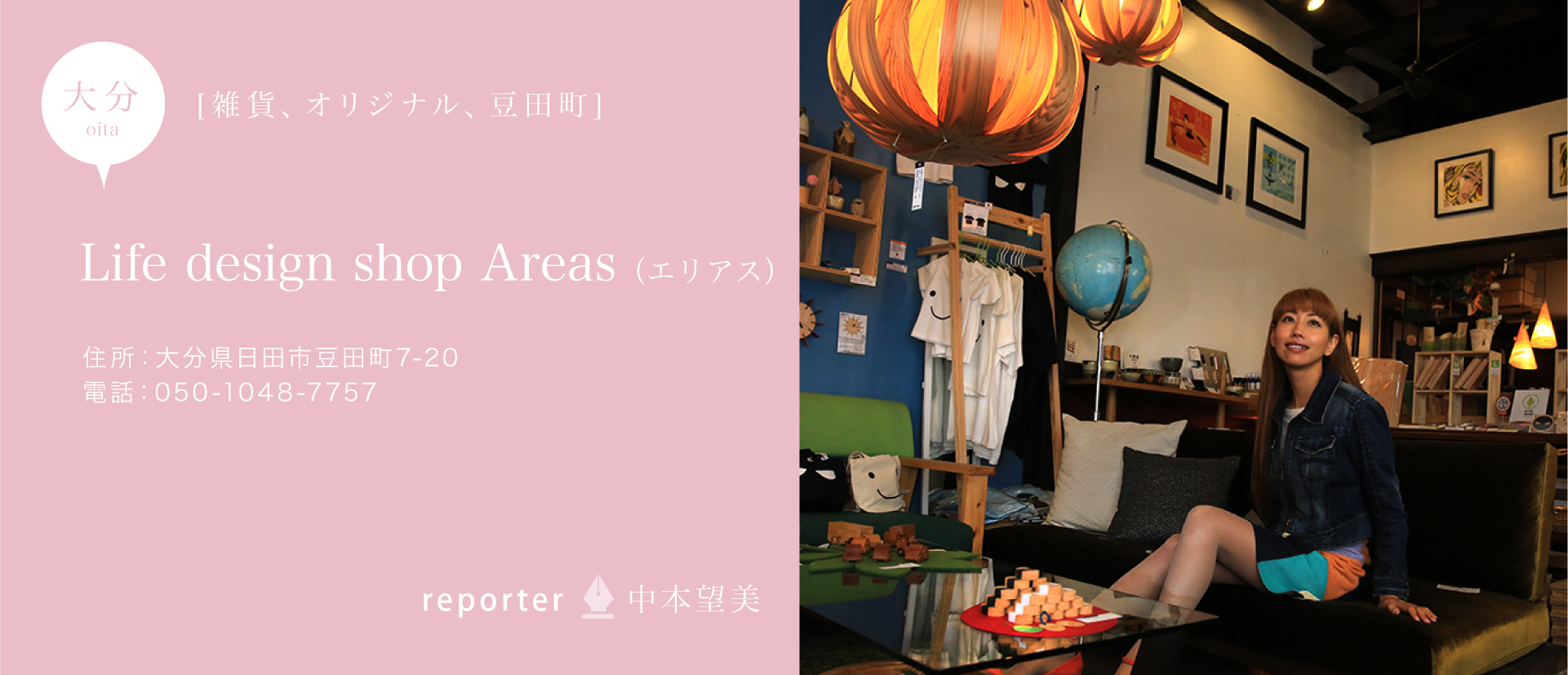

Combining the traditional culture and craftsmanship that live in Hita City with creative ideas,
Planning and producing original products.
In addition, we have carefully selected items from Japan and overseas to match
“Total design for your life,
Life design shop Areas, a furniture and sundries sales and café
Life design shop Areas proposes a total design for your life.
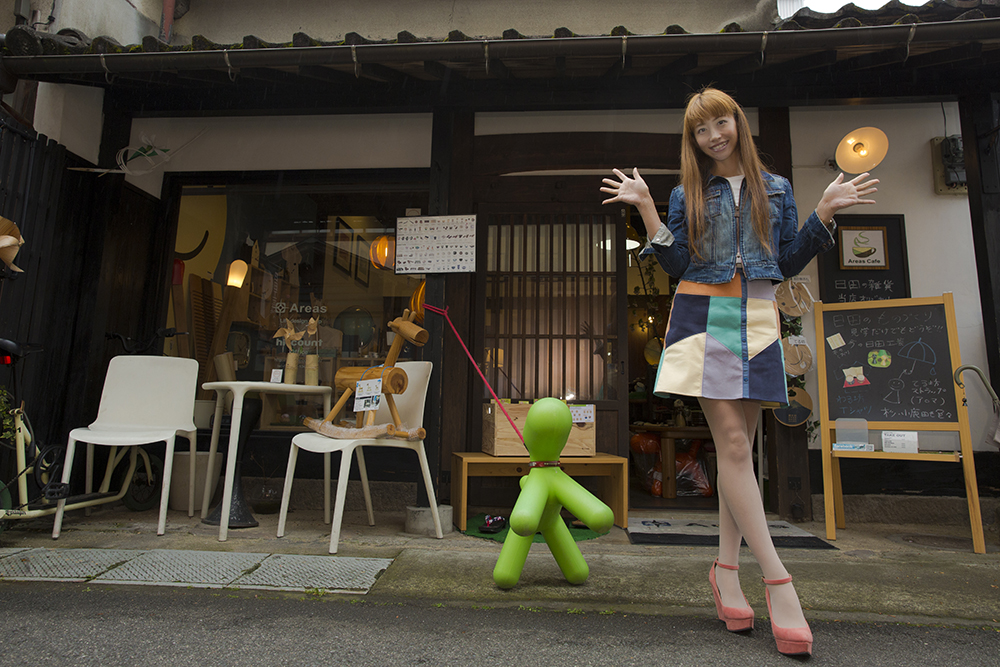
Hita City, Oita Prefecture, was known as a ”natural estate” in the Edo period (1603-1867), and Mameda-cho in particular was home to a concentration of merchant houses that served the shogunate.
The shop is located in a renovated old private house in Mameda-cho, and under the theme of "proposing total design for daily life," it plans and produces new products by combining its own selection of sundries and the culture of Hita City, including traditional craft techniques, with creative ideas, and has launched a project to develop products using Hita cedar. Life design shop Areas" is developing while placing importance on its relationship with the local community, such as by launching a project to develop products using Hita cedar.
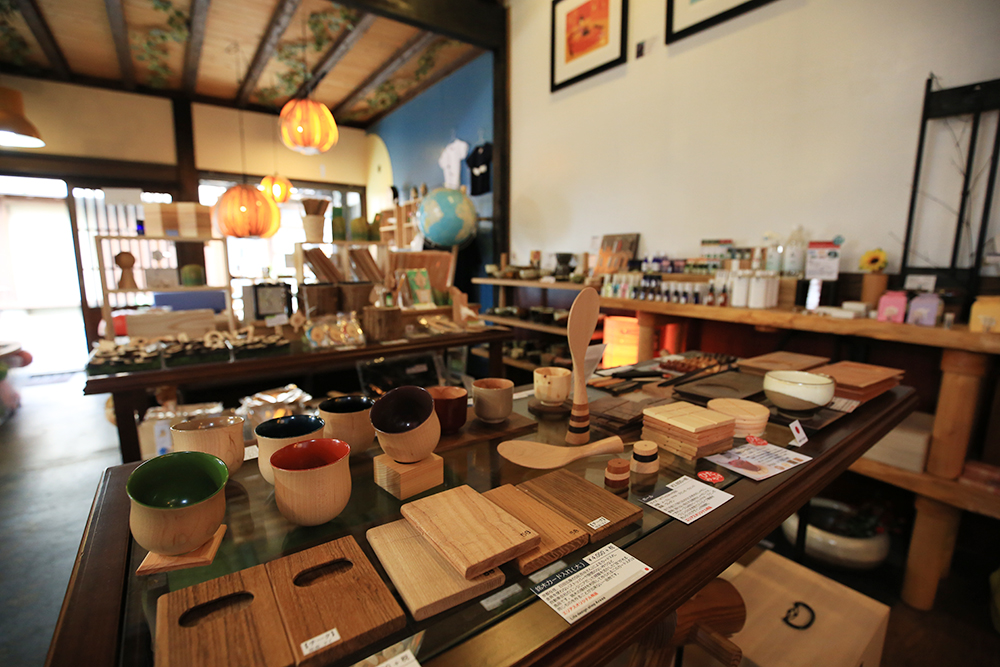
I was fascinated by the world of furniture when I was in college studying design," says owner Masahiko Senzaki, a native of Kitakyushu City. He moved to Hita about 16 years ago after tracing his roots in the furniture industry with the desire to become a full-fledged furniture maker. He saw Hita's unique "monozukuri" culture and techniques, which are filled with the wisdom of the ancestors who coexisted with the rich nature of the city, and he came to believe that he would like to pass on the traditions to future generations while evolving the culture and techniques into a new style required in the current era. The store was opened in 2009. Inside the store, you will find a variety of works created as a result of a project initiated by the owner Senzaki, as well as "skillful! The store is lined with a variety of works created by Senzaki's projects, as well as "skillful!
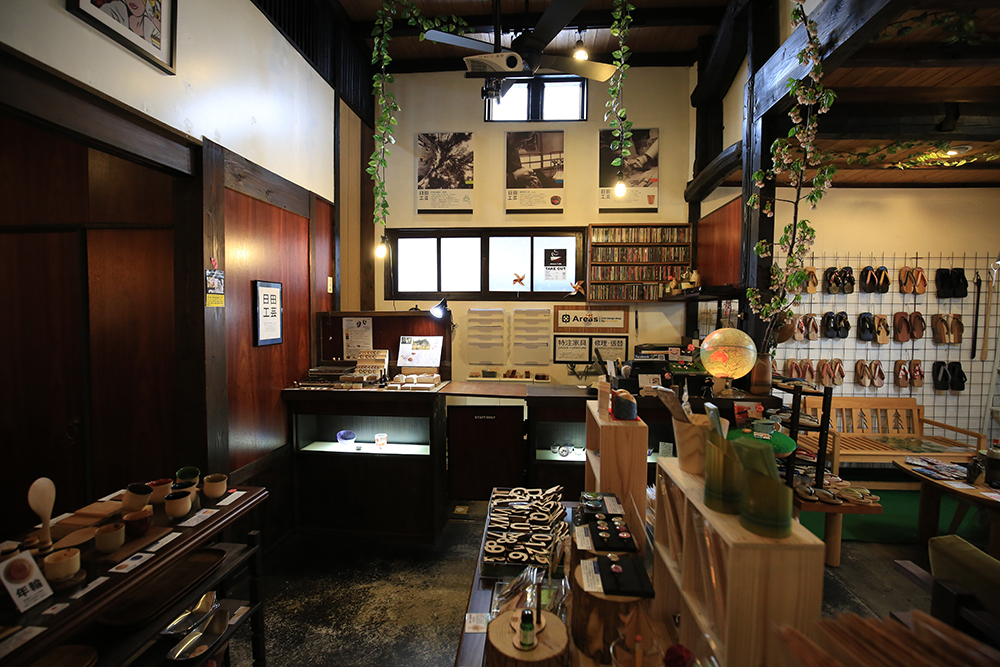
Store Introduction Traditional crafts and original products are displayed in the store.
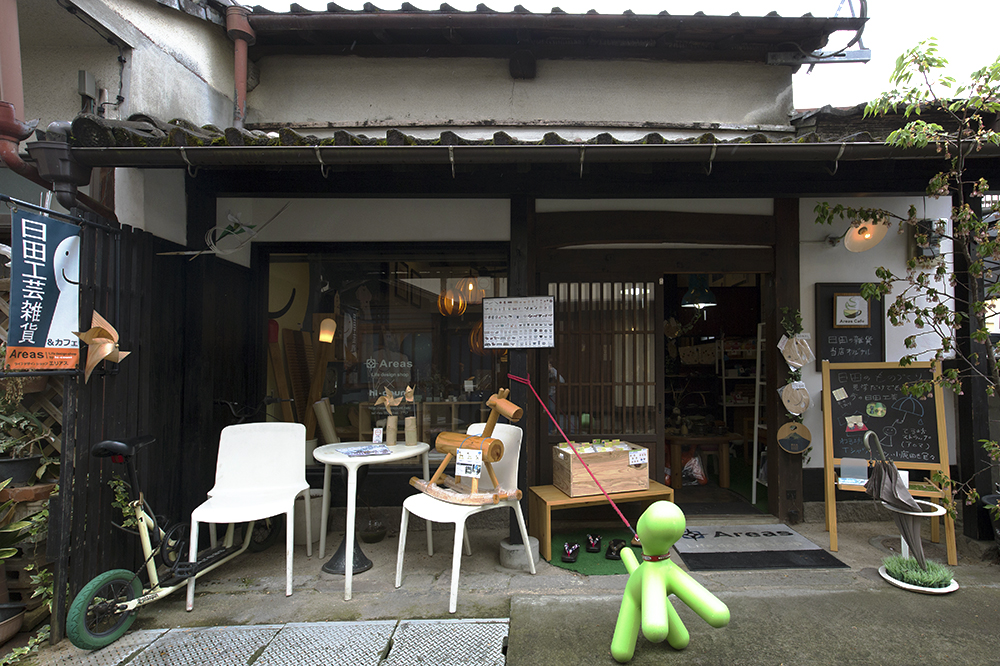
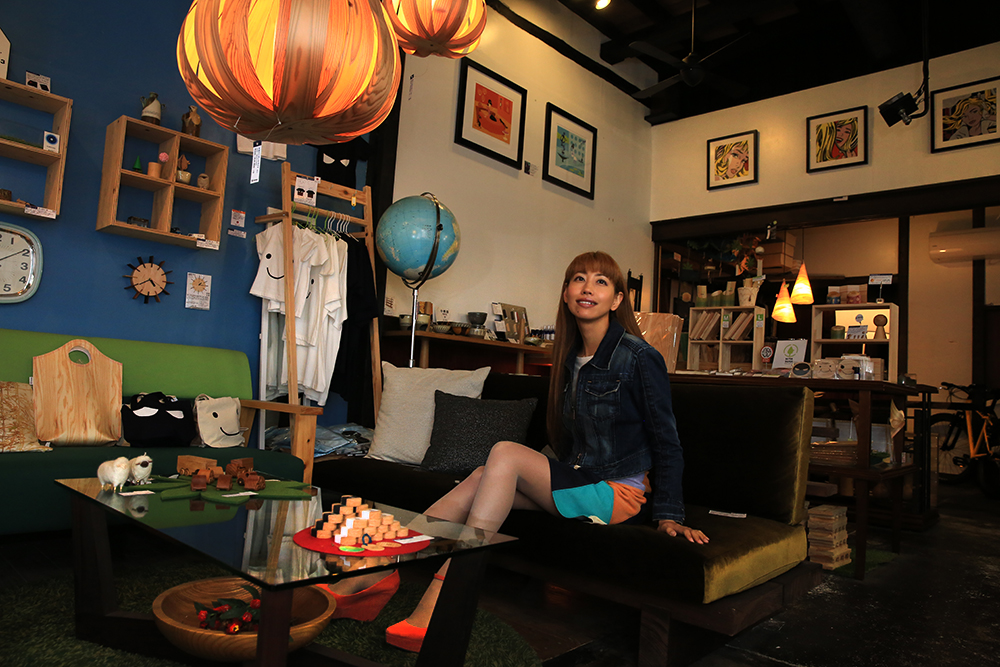
The interior is stylishly decorated with traditional Hita crafts such as "Ojakada-yaki," a traditional handicraft of Hita, and furniture made using techniques born from coexistence with nature, as well as a variety of unique and well-designed goods selected by the owner, Mr. Senzaki. The shop is filled with unique and well-designed goods selected by the owner, Mr. Senzaki.
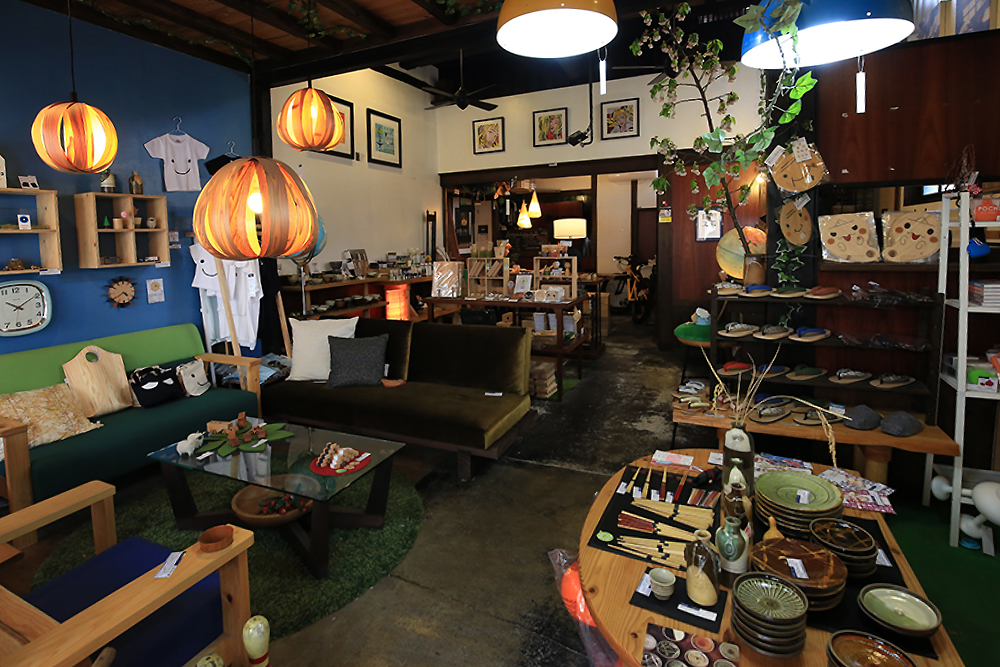
Particularly eye-catching are the various original products produced by Senzaki's owner, which incorporate traditional craftsmanship while taking advantage of the characteristics of Hita cedar.
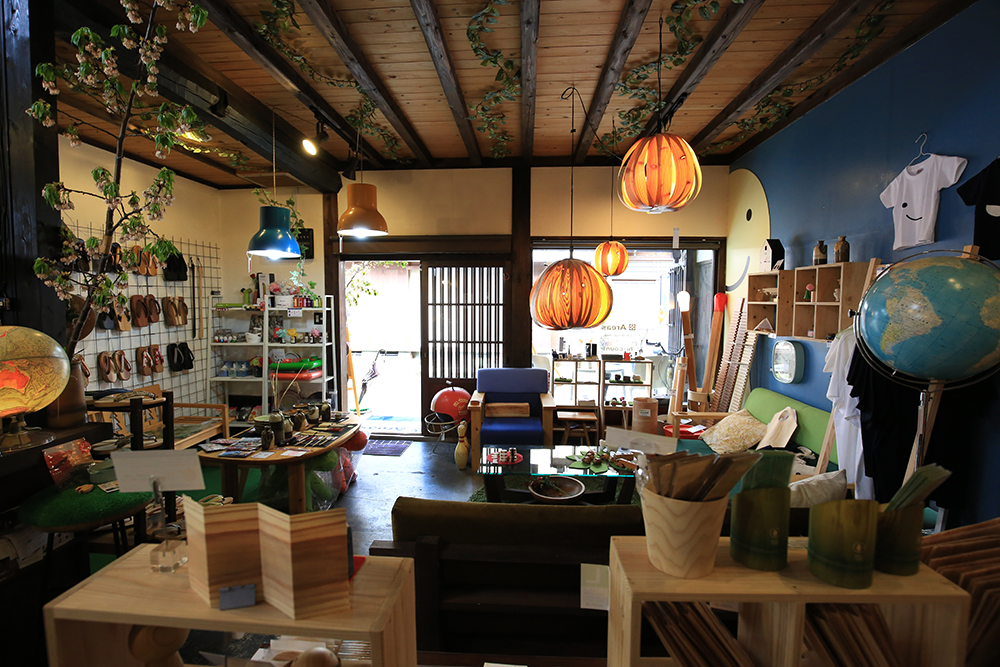
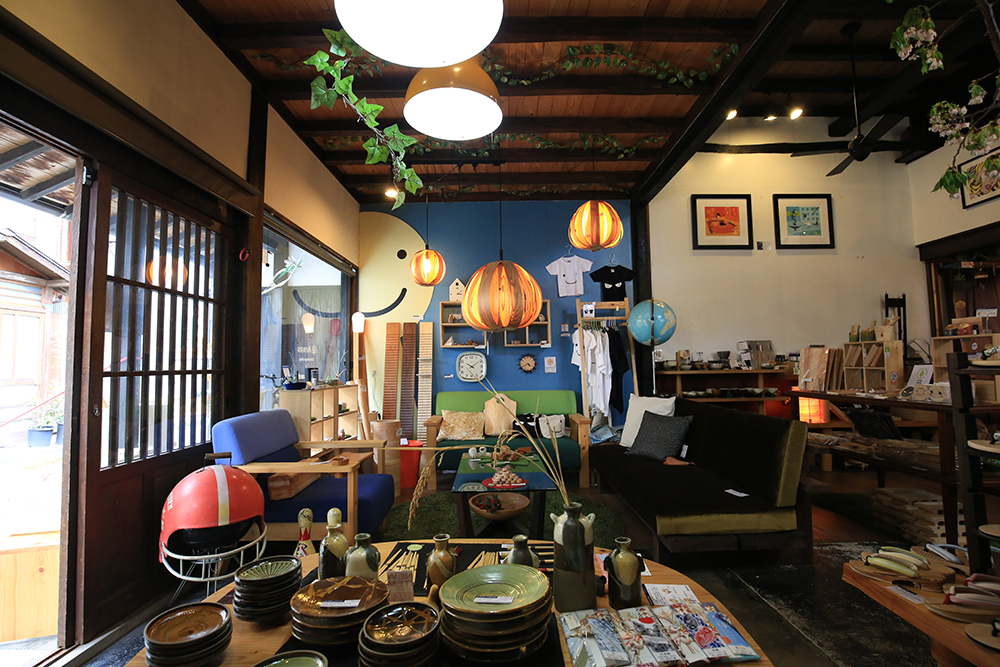
The rhythm of the natural light and lighting changes pleasantly, and I was impressed by how the look of the store changes dramatically depending on the angle from which you look at it.
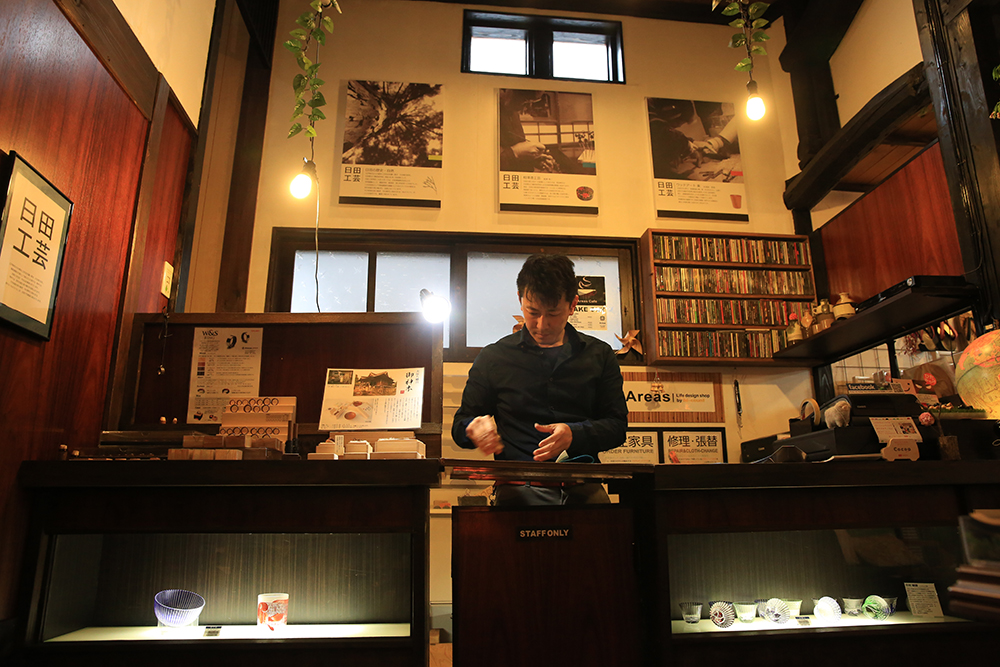
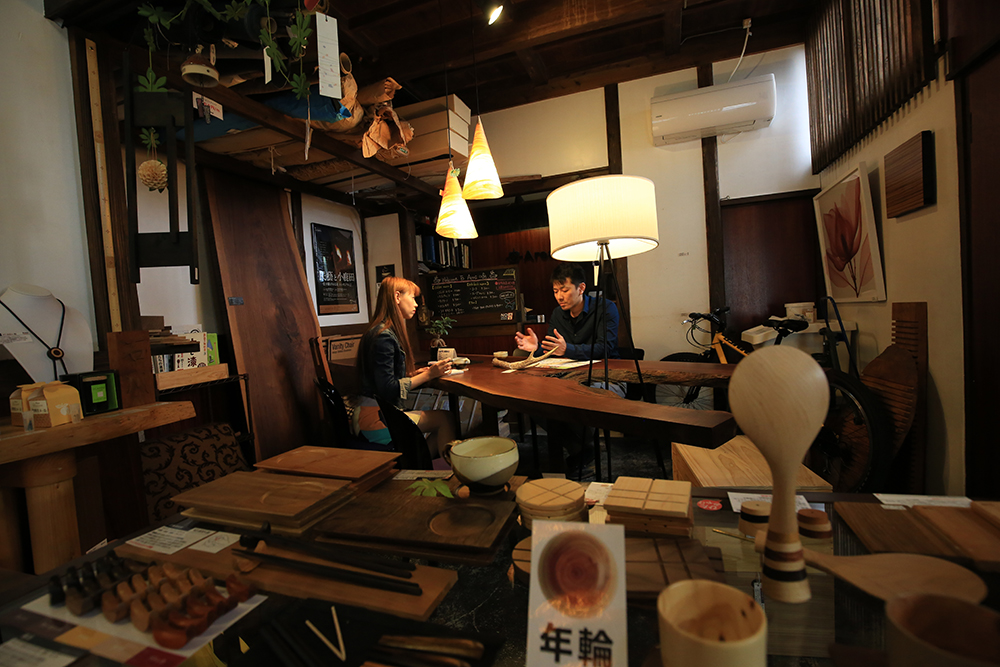
Masahiko Senzaki, the owner, stands at the counter and ponders product development. The "HITA SUGI Project" (described in detail in the "Pick Up" section below), which develops products and contributes to the local community mainly using Hita cedar, the pride of Hita, and the creation of a team to hand down traditional crafts in Hita, are examples of how the store's operations promote the transmission, transmission and evolution of "craftsmanship and tradition. The shop is a place that promotes the transmission, transmission, and evolution of "craftsmanship and traditions".
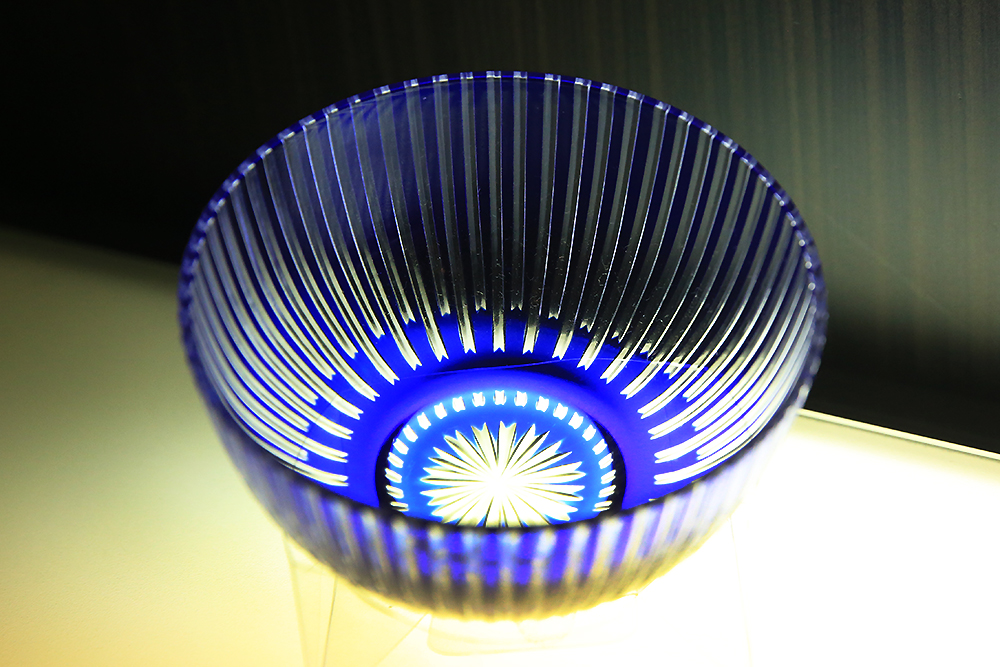
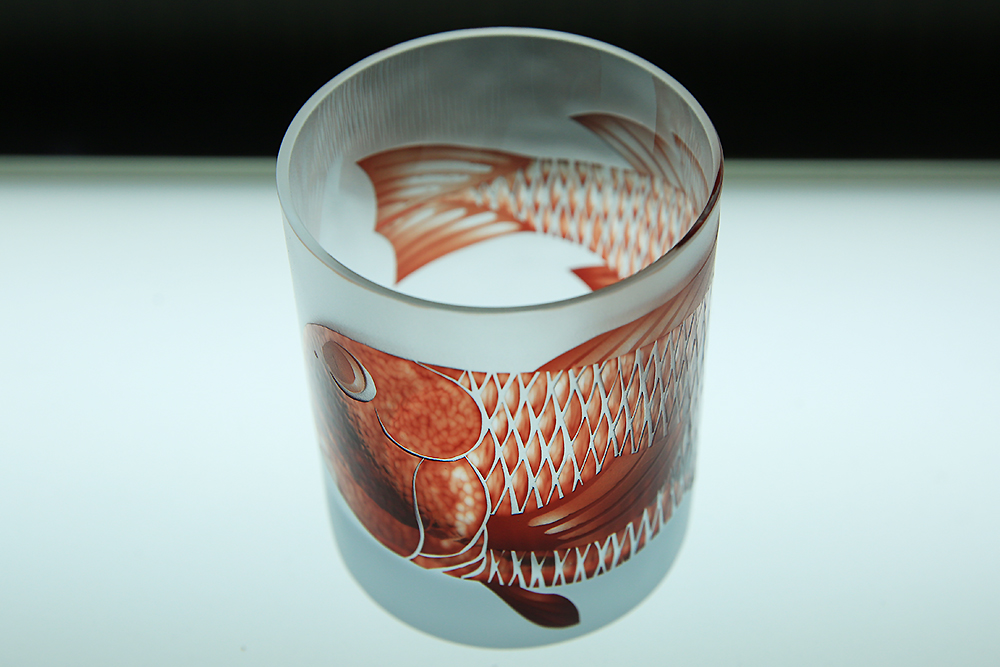
The showcases and lighting embedded under the counter are wonderful!
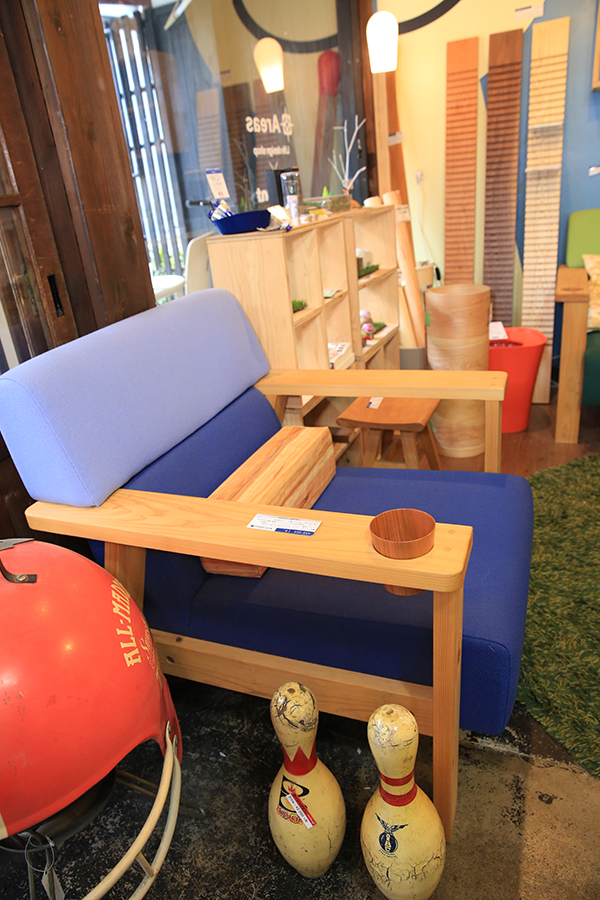
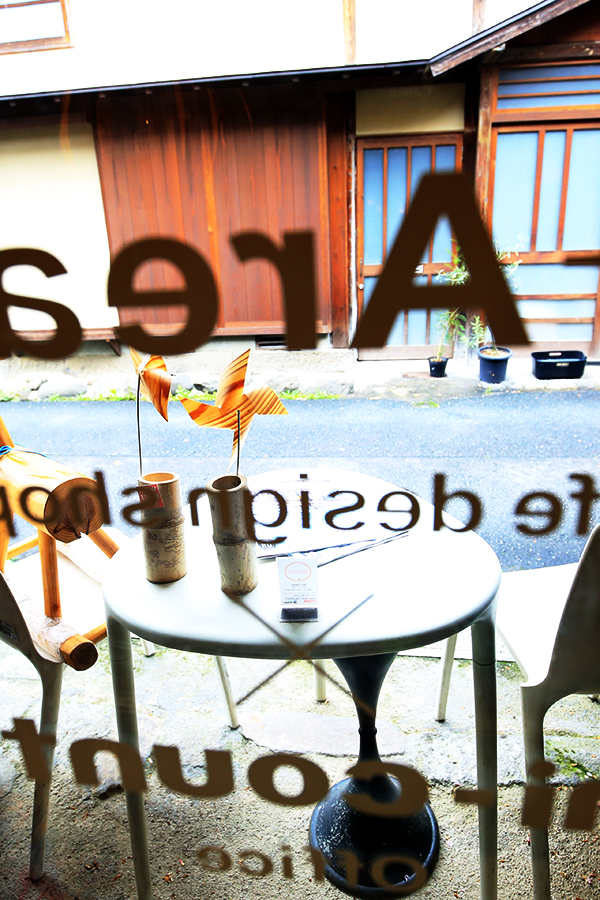
The products in the store include sofas and pendant lights developed mainly from Hita cedar produced in the mountains of Hita, one of the three most beautiful forests in Japan, cups and coasters made with lacquer work, and traditional crafts such as Ojikada-yaki.
Incidentally, Hita cedar is characterized by its hard surface and soft center, which makes it easy to process in detail.
(See below for a list of pickups.)
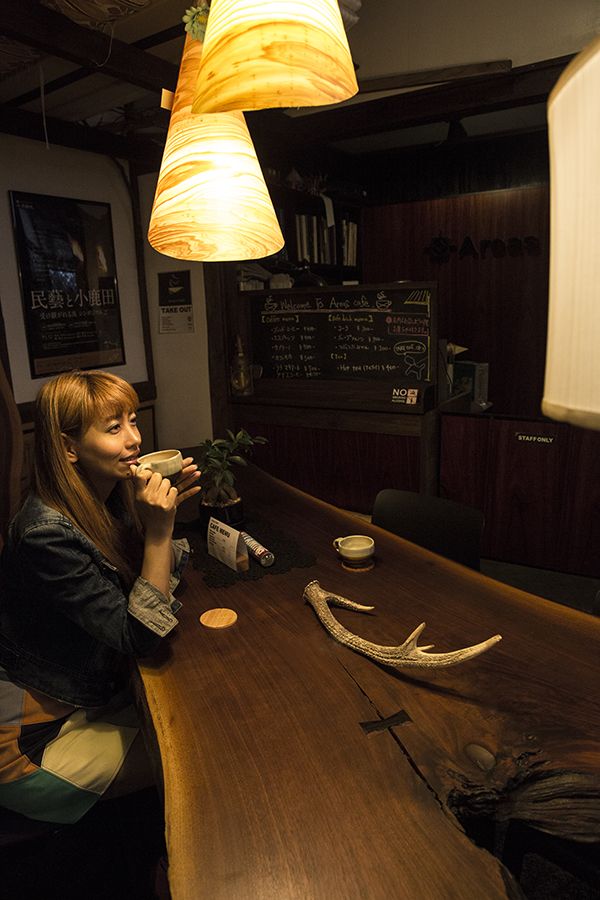
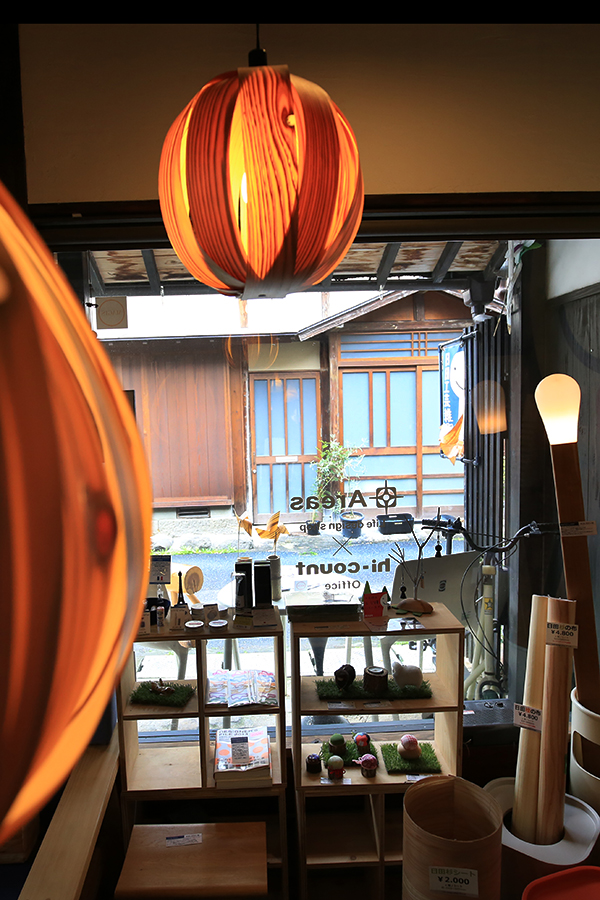
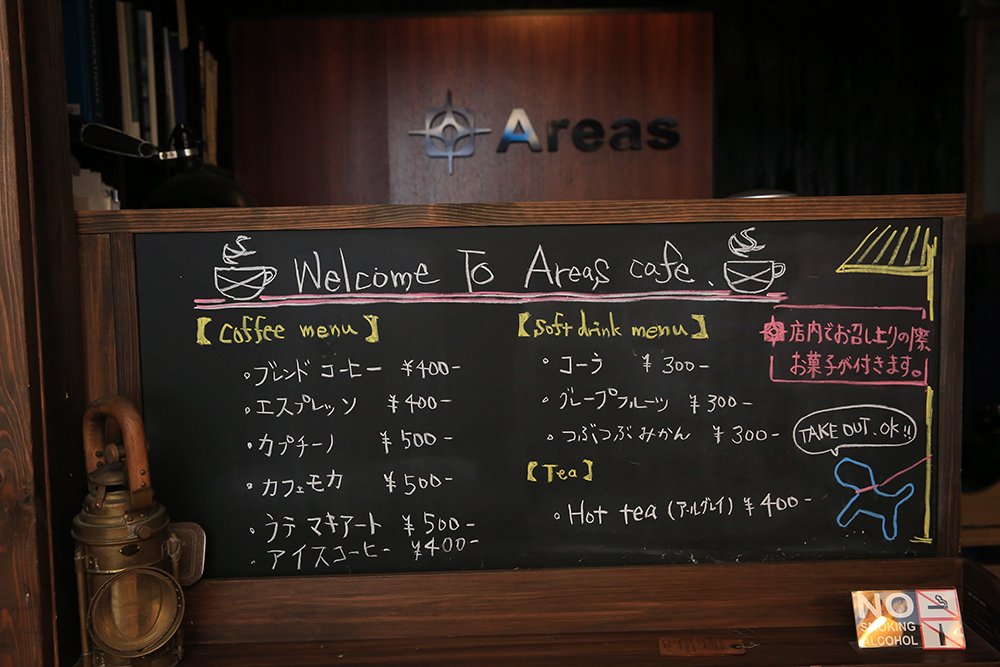
At the far end of the store is a café space with a set of magnificent tables made of a single piece of wood. The cups are made of "Kogada-yaki," which is also sold in the store, and the coasters are Areas' original products made of Hita cedar, allowing customers to enjoy their café time!
Pick Up: Idea goods that make the most of manufacturing techniques
About HITASUGI PROJECT
By utilizing "Hita cedar" grown in Hita City, Oita Prefecture, this local resource utilization project aims to nurture the forest as a source of life, protect the balance of circulation, and pass it on to future generations while passing it on to a wide range of fields.
Hita cedar is coated with a film called "cedar sheet. Wood fabric" is made by laminating film-coated "Hita cedar" or "Hita cypress" with cloth to enable sewing. We have also developed "simple wooden plates" made of thin "Hita cedar" laminated together, and have produced a variety of products in collaboration with craftsmen of traditional culture who are active in Hita.
In addition, a portion of the proceeds is used to support forest and tree-planting activities.
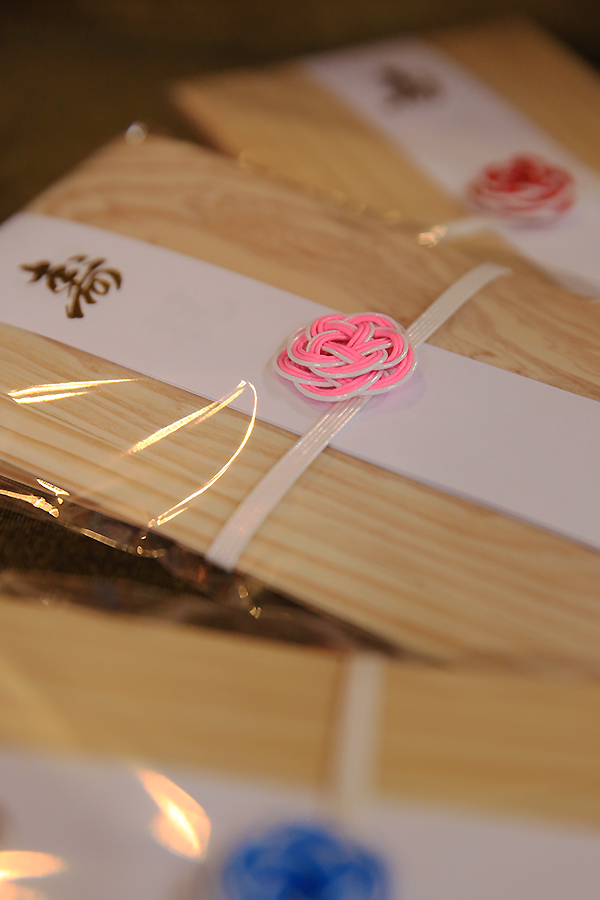
▲Congratulatory gift bag 1,000 yen (not included) (left image)
A congratulatory gift bag made of "cedar sheet". It is a gift that will be different and freshly surprising! The set also includes 3 strips of paper and 1 inner bag.
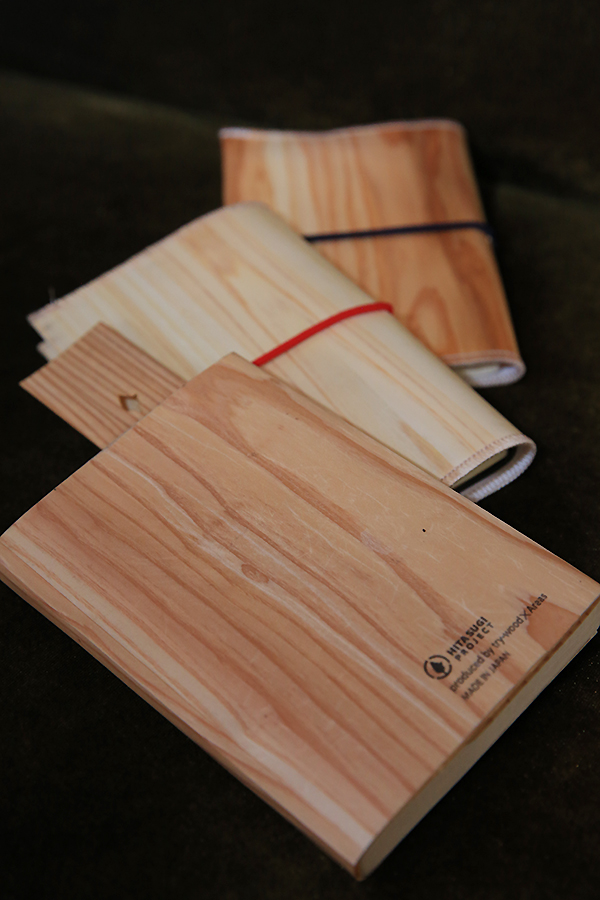
Book cover size M/L 450 yen (not included) / Wooden bookmark 200 yen (not included) (front right in the image)
Wooden cloth book covers (Hita cedar and Hita cypress) 2,700 yen (not included) (two at the back right of the image)
A paperback-size book cover and bookmark made of simply folded "cedar sheet," and an original "wooden cloth" made of cloth pasted on wood, made with local sewing improvement. The smooth texture and warm atmosphere will make your reading time more tranquil.
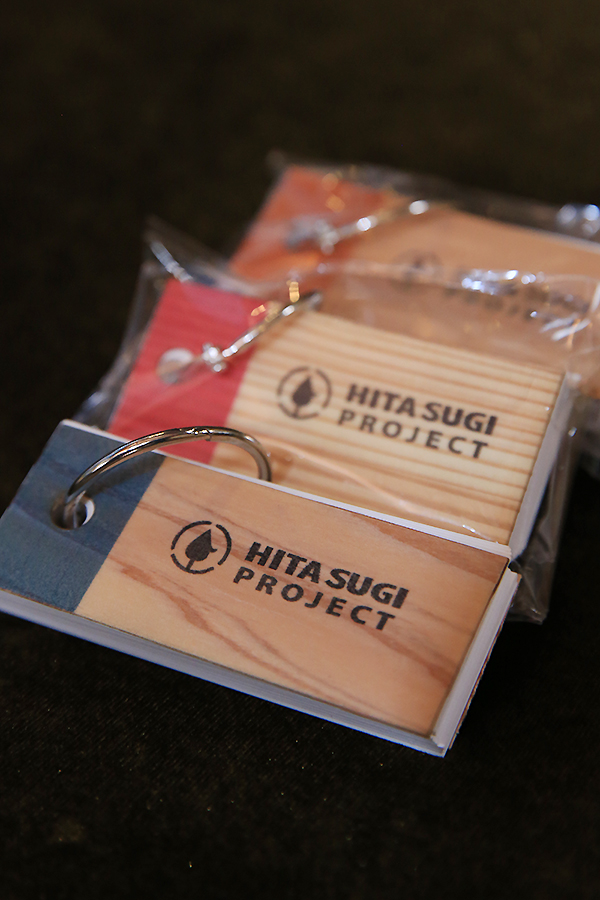
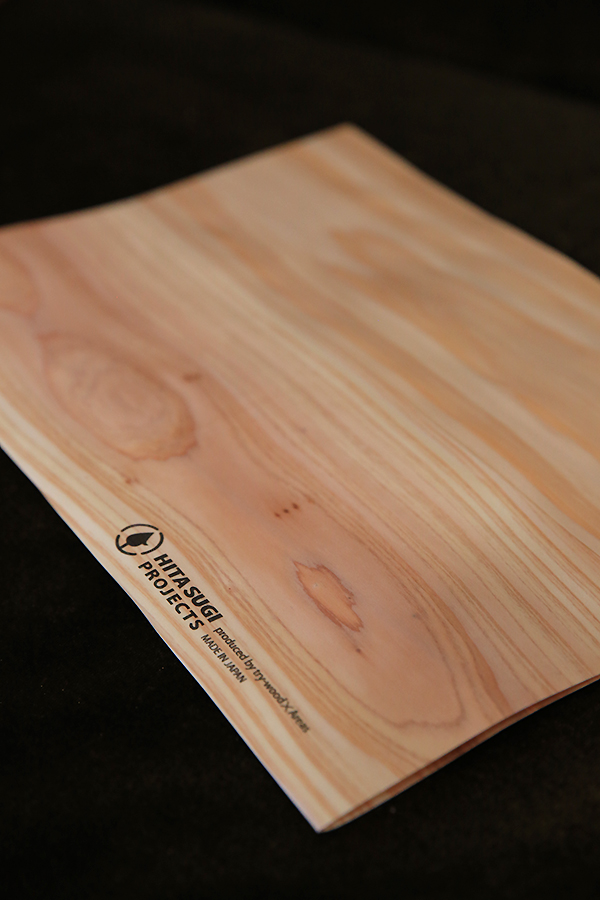
▲Memorization book 280 yen (not included) (left image) / Wood file 450 yen (not included) (right image)
Made of film-coated "cedar sheet". Just by holding it, you will be the center of attention.
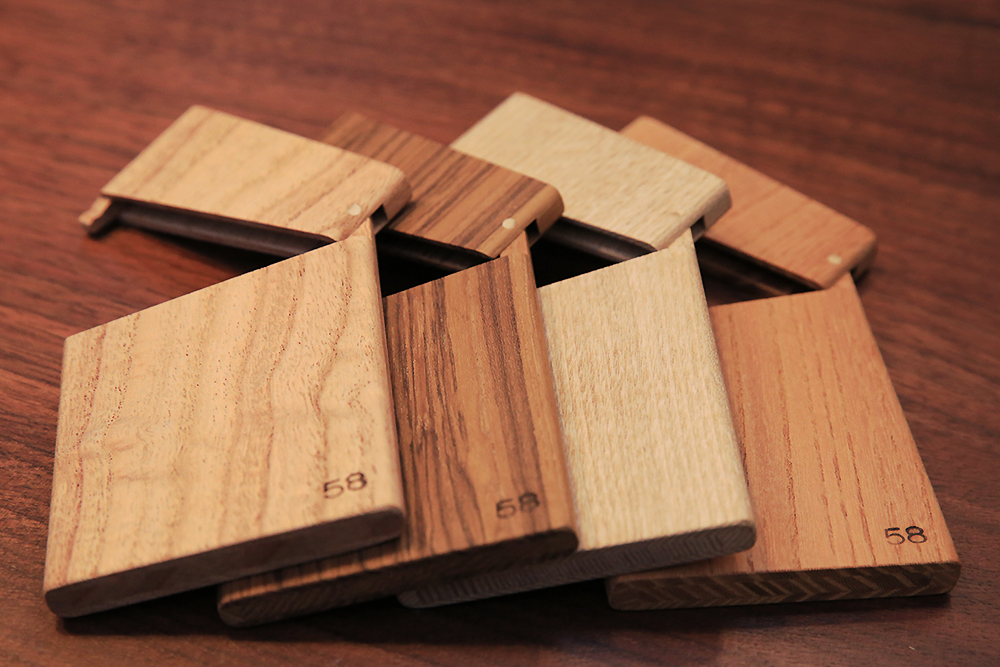
Named wood card case (large) 4,000 yen (not included)
This is a one-of-a-kind product made by Mr. 58 (Goya), a former automobile manufacturer engineer from Hita and resident of Kyoto. The ”no metal fittings” stopper that prevents cards and business cards from slipping out when inserted, and the treatment of the gap between the cards and business cards, are examples of his meticulous workmanship that are sure to draw admiring looks from the viewer!
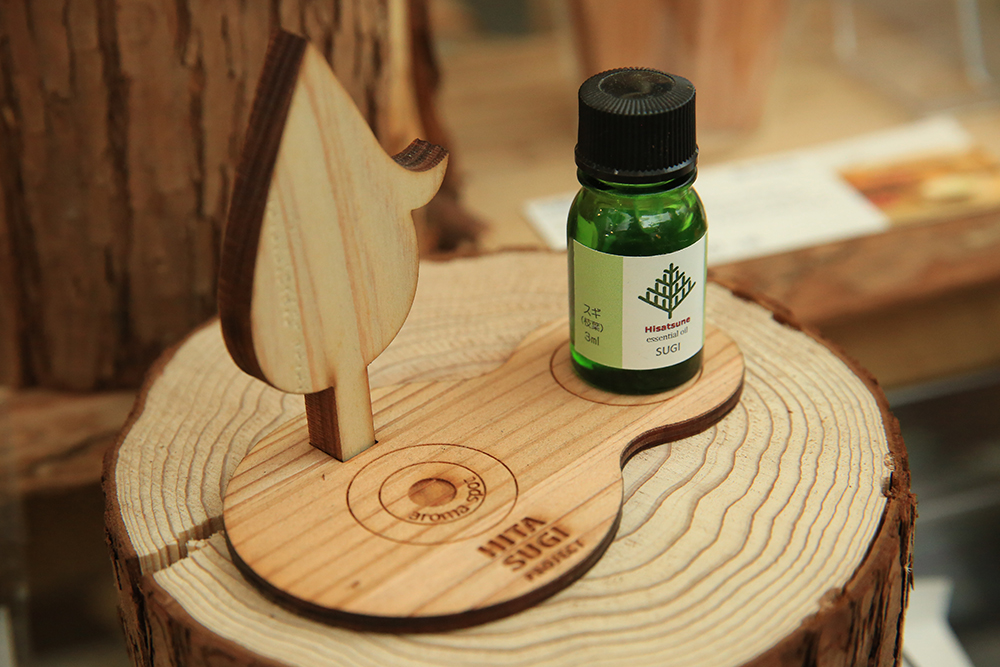
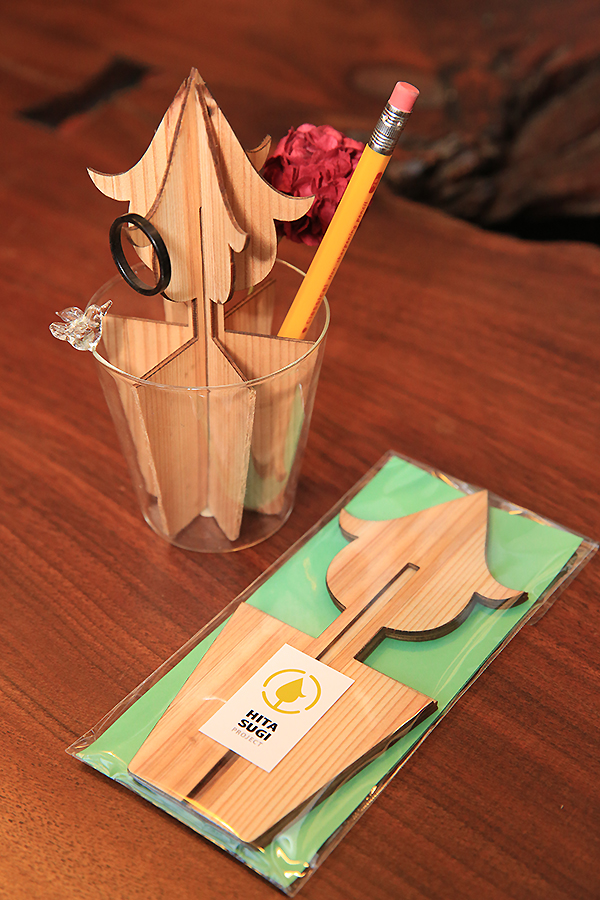
▲Sugi aroma kit 900 yen (not included)
An assembled aroma kit in which the parts in the shape of the project logo are erected and the oil is directly soaked into the center of the circle. Since you enjoy the naturally volatile aroma, there is no need to use fire and it is safe! There is also a space to set a bottle, so it is recommended as an interior decoration☆.
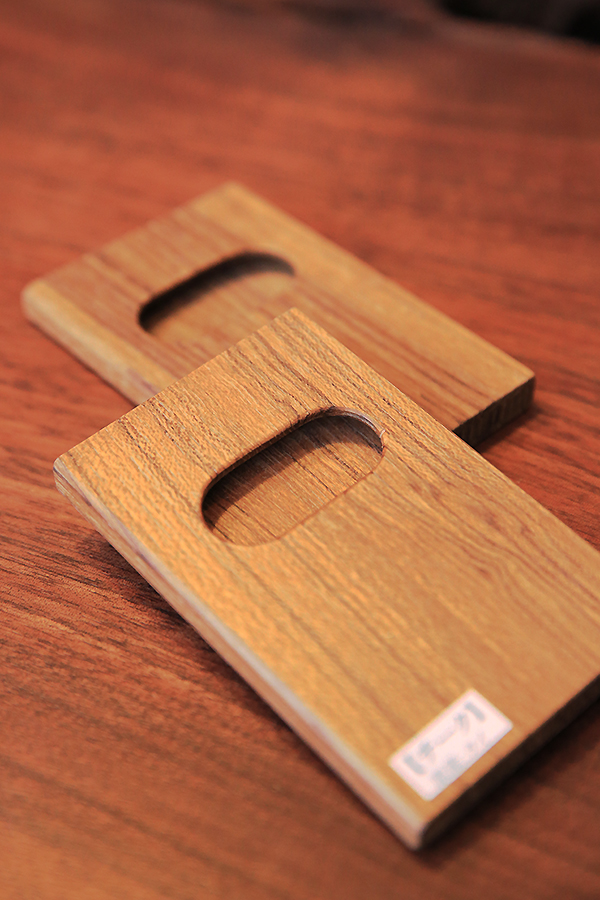
Small card case made of a famous tree, 2,500 yen (not included) (left image)
This is a case with a ”technical” feature that prevents cards from slipping out even when they are inserted. It is smooth and comfortable to use, whether adding or taking out a card. Each design is one-of-a-kind, as the wood has a different look!
▲wood stand 1,000 yen (not included) (right image)
By adding dividers to the cups, they can be turned into pen holders or display space for accessories!
Terubo-Warubo Series
The series began with an aroma strap to enjoy the rain, which was the brainchild of Senzaki's owner, and has gone on to become a popular series of aroma diffusers, cedar fans, fashion items such as coasters and T-shirts, and even the family character of Terubou.
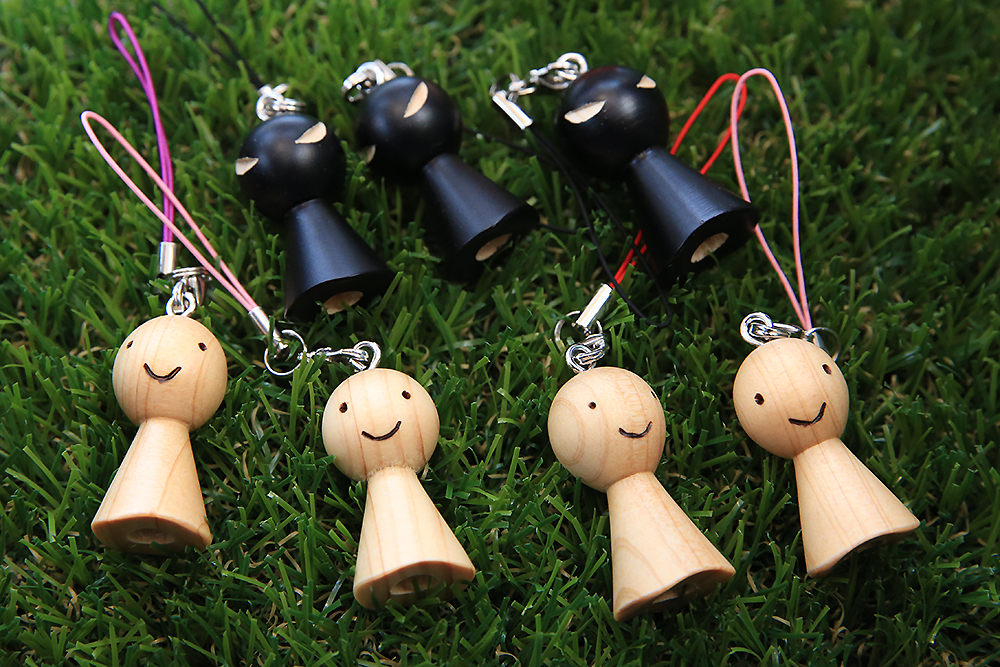
▲Terubou strap 900 yen (not included) (bottom image), Warubou strap 1,200 yen (not included) (top image)
Senzaki's idea of ”I wish I had something like this,” sparked an idea that soon became a product: an aroma strap with a hole in the bottom that allows fragrance to seep in. When you put it on the end of your umbrella, the cute little ”teru teru bozu” will sway and the fragrance of your choice will turn the annoying rain into a moment of healing. and he wants to be friends with ”Teru Teru Bozu”.
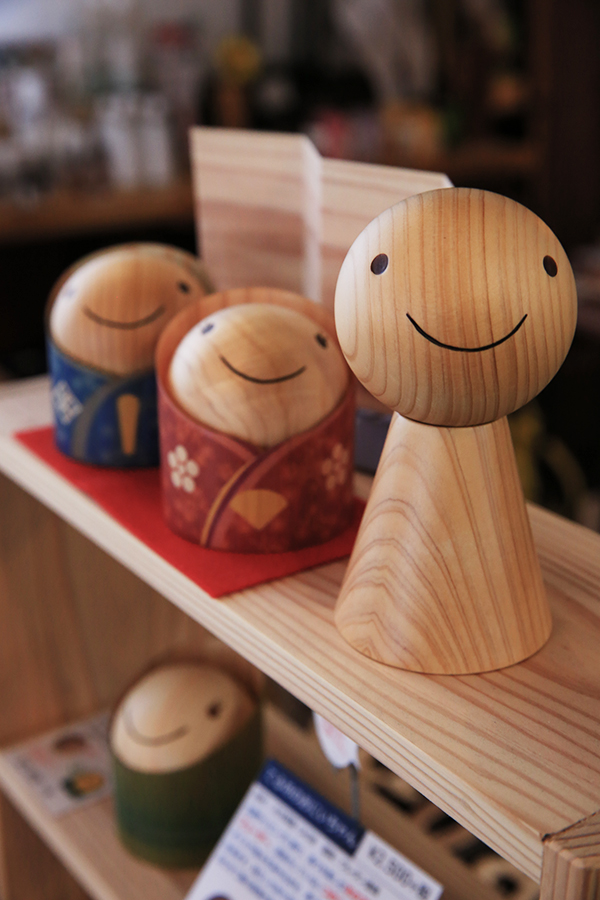
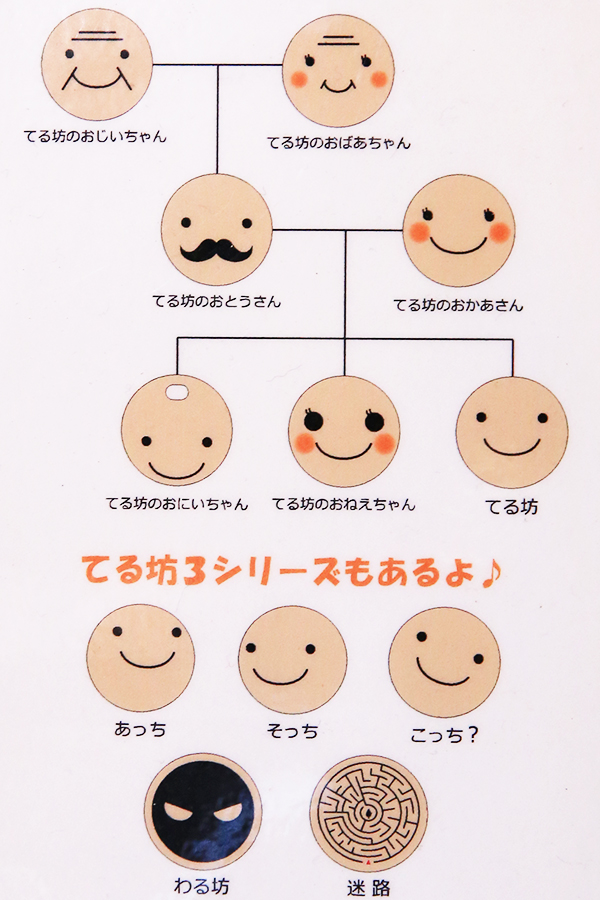
Hinoki no Terubou
Front: Terubou no Oniichan 2,500 yen (not included) / Back: Terubou no Hinamatsuri 4,800 yen (not included)
Terubo-no-torubo-chan is a natural aroma diffuser that can be scented by soaking aroma oil or perfume into the ”whirlpool” of its head!
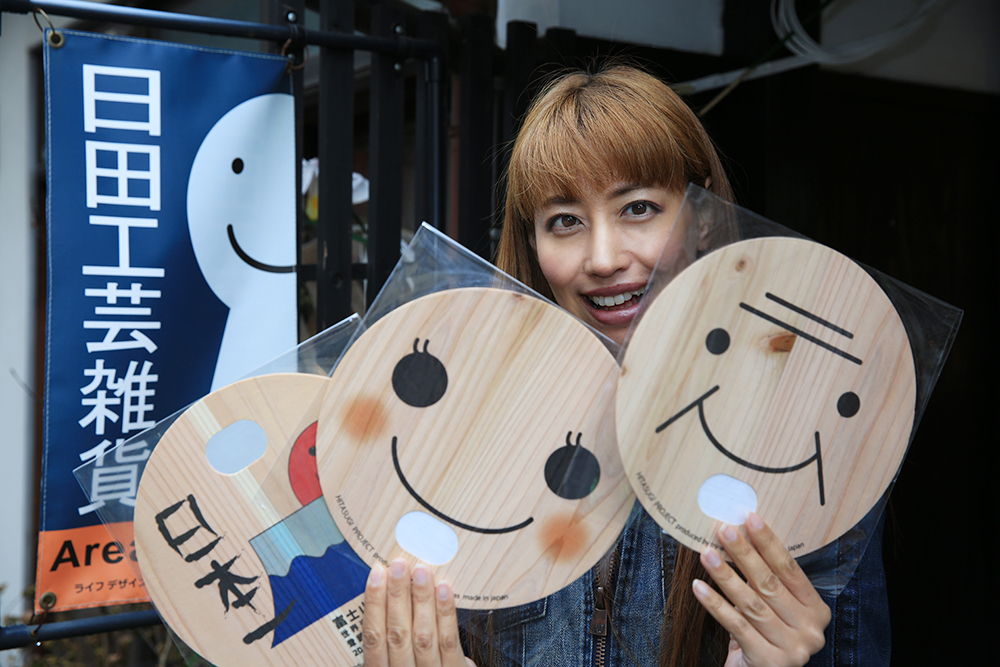
▲Terubo-Warubo-Sugi Uchiwa (cedar fan) 360 yen (not included)
This fan is made of thinly processed Hita cedar, with three pieces laminated together with the fibers crossing each other in different directions. Every time you use it, you can smell the natural fragrance of the wood and feel a refreshing breeze.
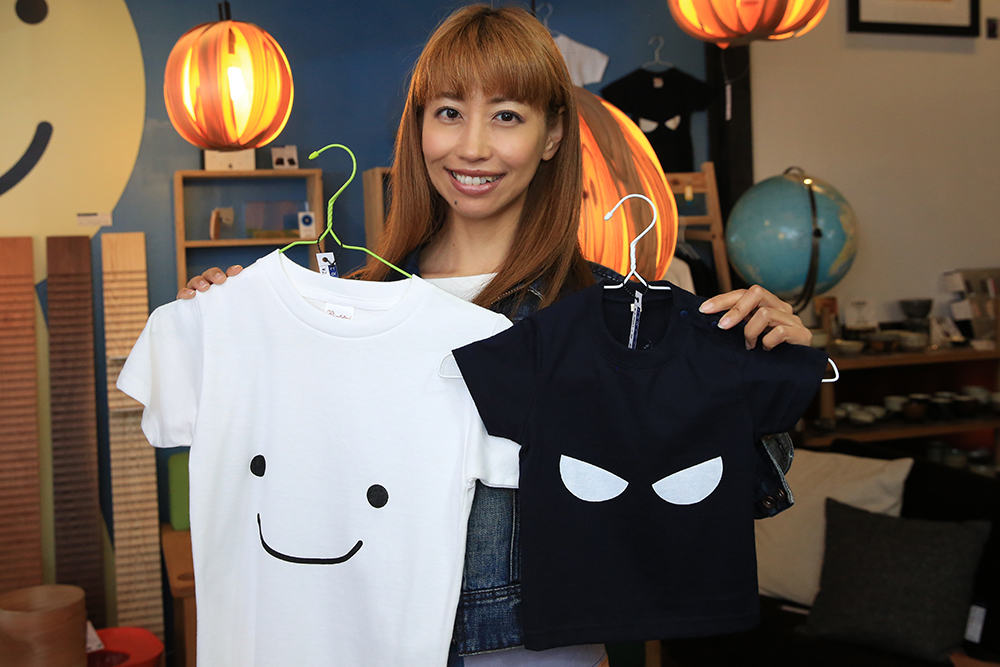
T-shirts for kids 80~L size 2,800 yen (not included)
The smooth and comfortable fabric of the Terubou and Marubou T-shirts. Many parents and children wear matching T-shirts.
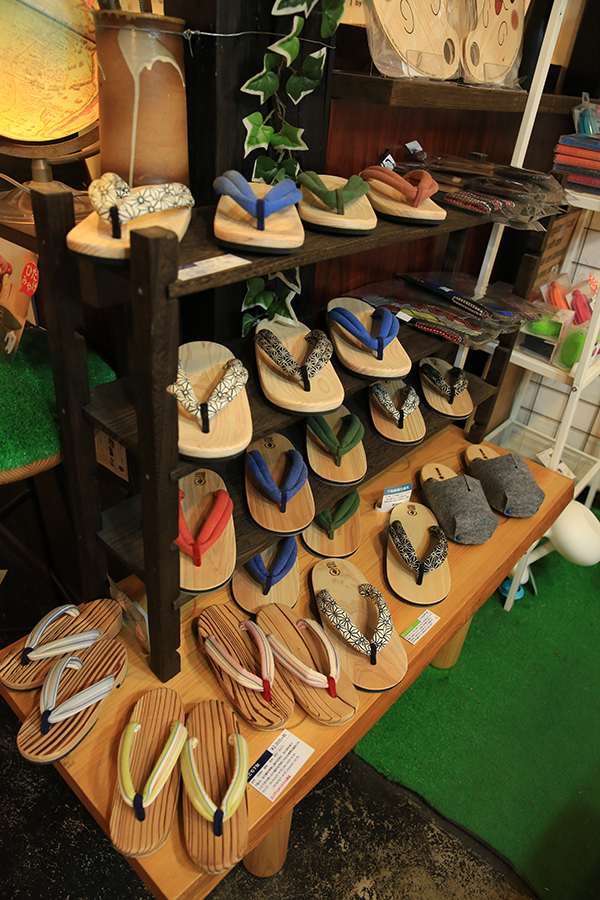
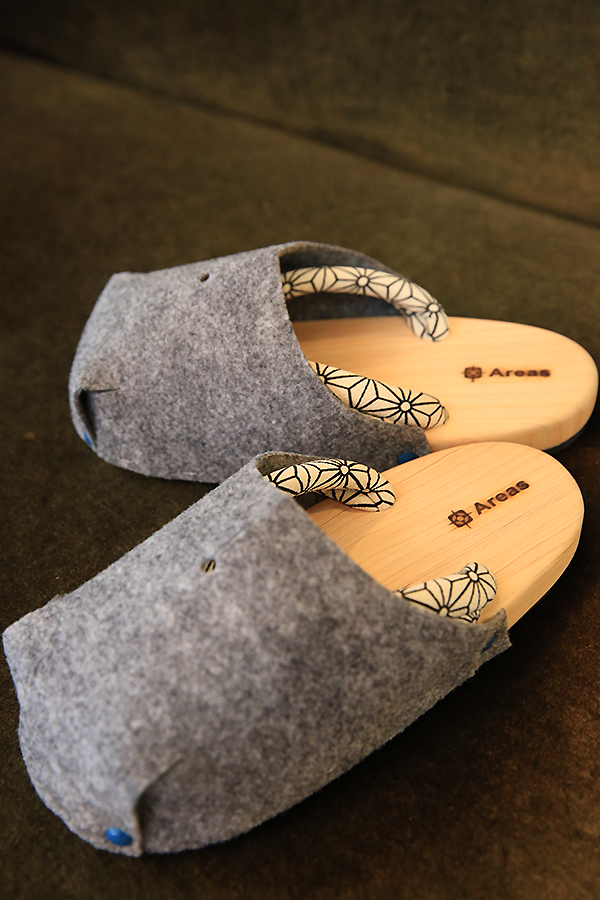
▲wood slippers 4,500 yen (not included) (left image) / Sabo under development by Senzaki owner (right image)
Indoor wooden slippers that look like they are always on the flooring. No need to worry about damaging the floorboards because a genuine leather sheet is attached to the bottom.
Sabo” is an idea work in which carefully selected felt fabrics of different colors and textures are hammered onto geta (Japanese clogs). It softly protects your toes while creating a fashionable footwear! (Children's clogs are also available!)
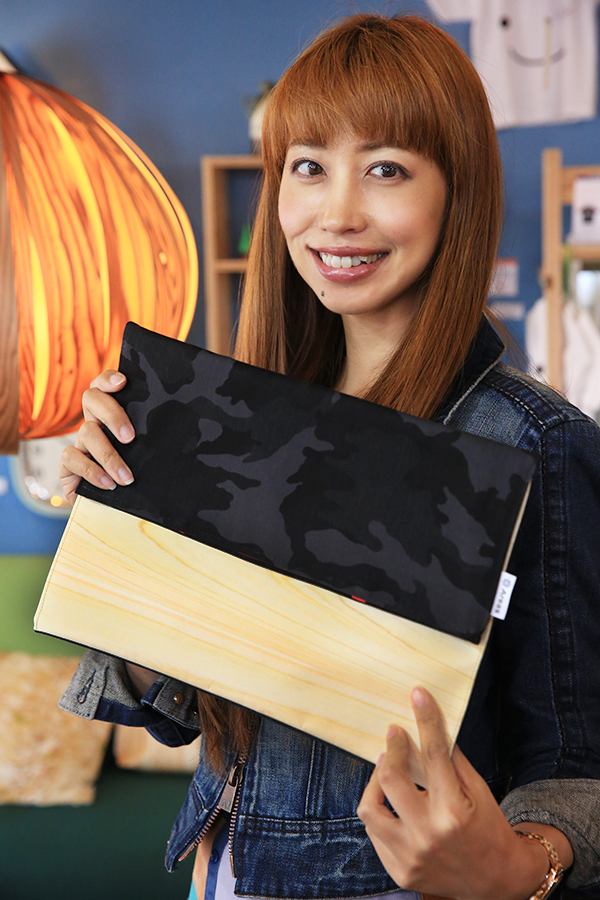
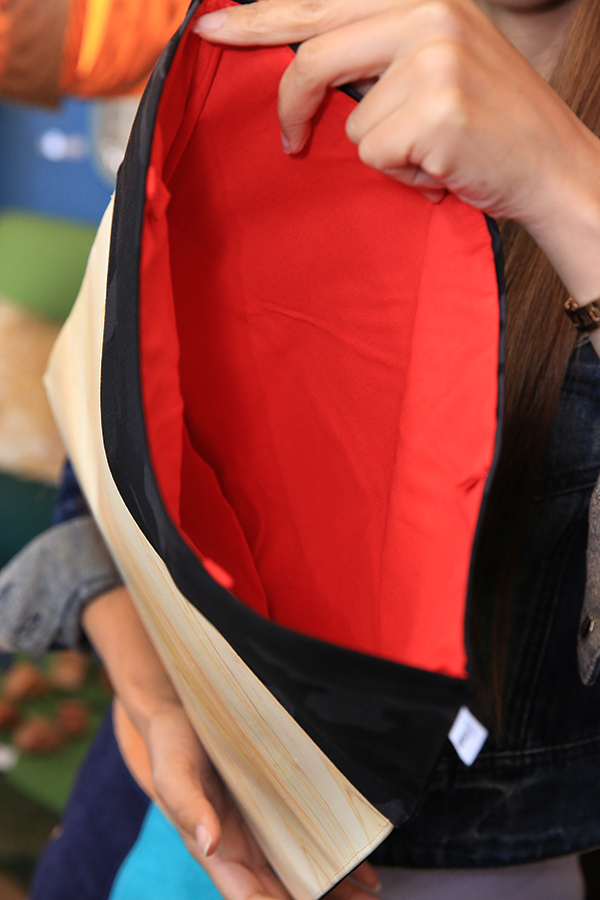
Clutch bag: 12,000 yen (not included)
This clutch bag is made of ”wooden cloth” developed by the HITASUGI project and a camouflage pattern cloth designed by an individual artist! The inside is a dazzlingly bright vermilion color, with a small pocket and excellent functionality.
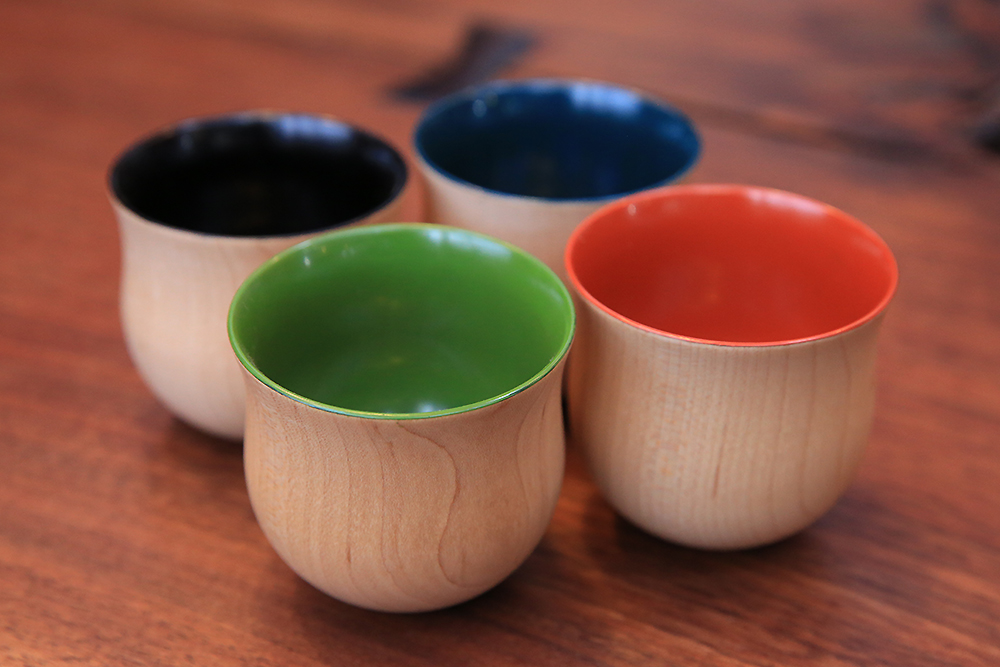
▲Yuragi 3,600 yen (extra)
This ”ultimate” sake cup is the result of the combined skills of Hita's lacquer and wood craftsmen. The color of the lacquer applied over and over again and the texture of the wooden pattern are beautiful, and the wavering gesture when the sake is poured is an emotional gem.
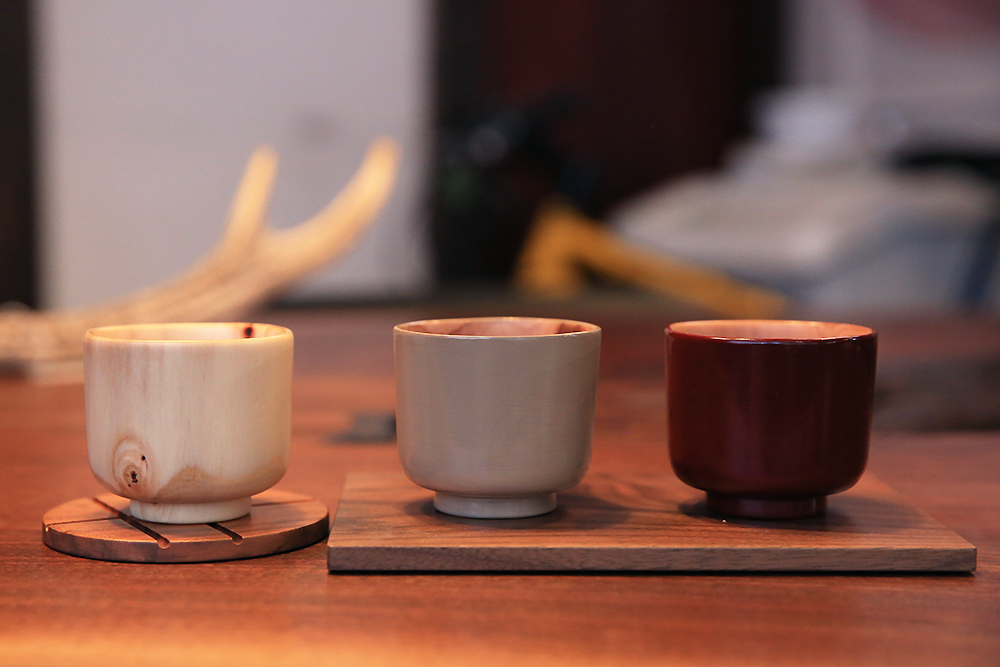
▲Shibori log boar cup: 2,700 yen per piece (not included) / Hita coaster: 700 yen (not included) (left image) / Wood coaster: 1,800 yen (not included) (right image))
The uneven pattern of the shibori logs is utilized to represent the ”snake's eye cup” used to check the transparency of sake in the sake brewery.
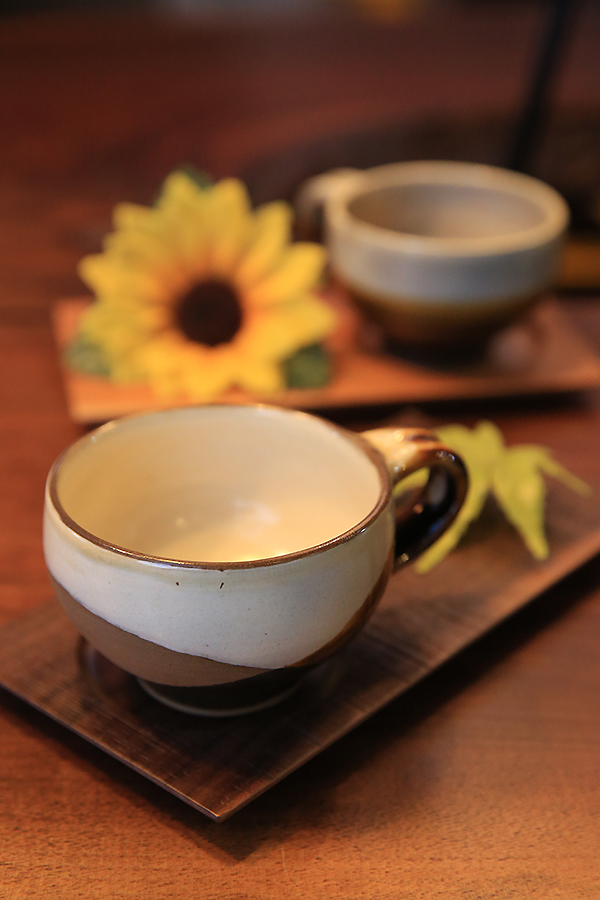
▲Okada-yaki coffee cup 1,600 yen (not included) + wood saucer 1,800 yen (left image)
Kogada-yaki is a traditional pottery that has continued since the mid-Edo period and was designated as an Important Intangible Folk Cultural Property of Japan in 1995. Even today, the tradition is maintained through consistent handcrafting by a single family. A variety of pieces developed jointly by Ojakada-yaki and Areas are available for sale. Wood saucers are practical with space for small plates and snacks to be set with the cups!
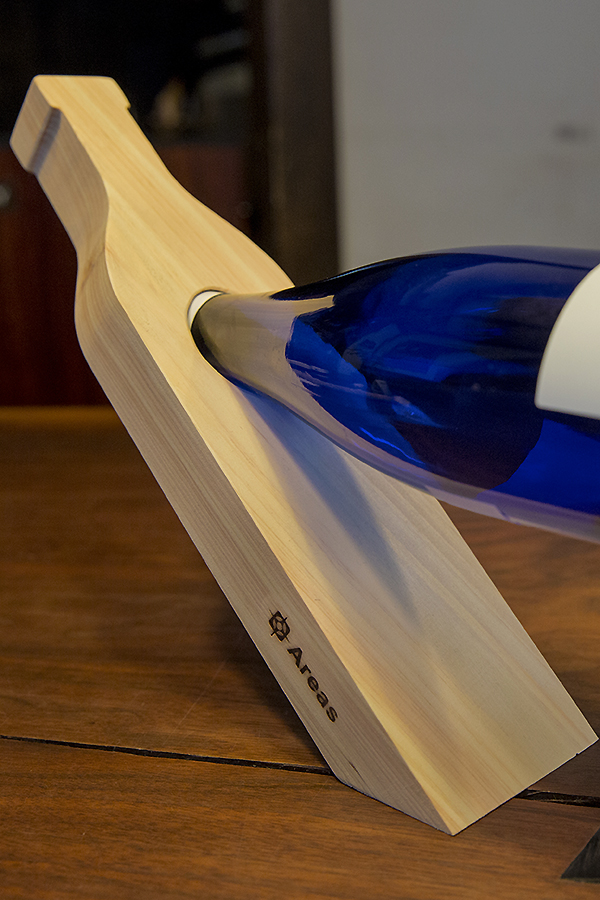
▲Bottle stand 2,200 yen (not included) (right image)
The stand, which holds bottles in perfect balance, is useful as a wine keeper and for displaying empty bottles!
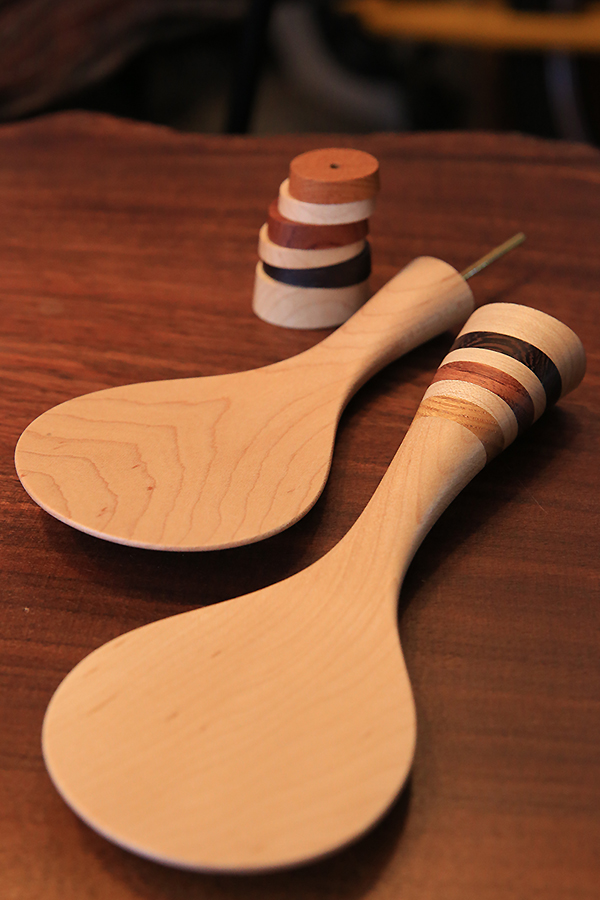
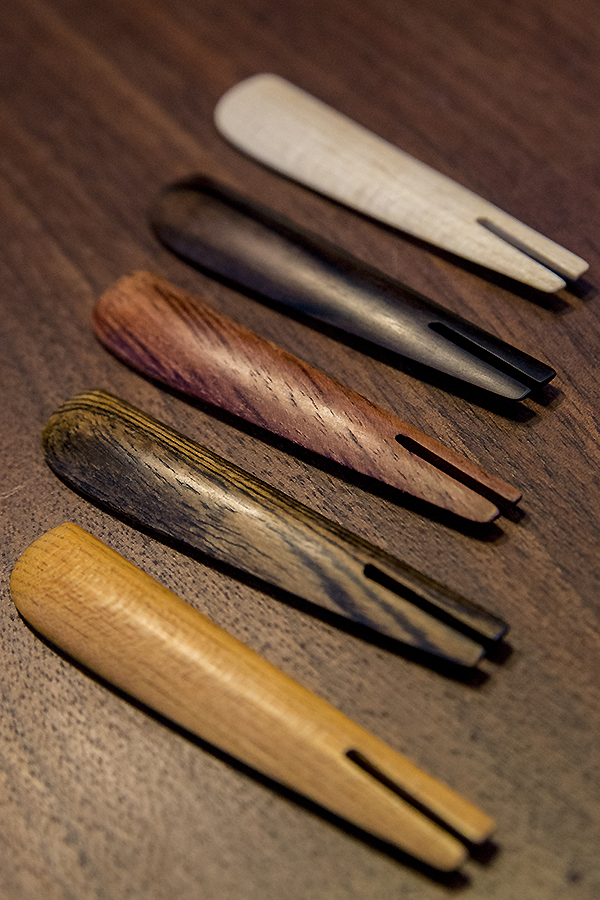
▲Pole 3,800 yen (not included) (left image)
All natural wood shakuhama, carved out entirely by hand. The design is based on a single piece of maple wood, striped with the natural colors of zelkova, bubinga, and uengi, and is surprisingly functional, standing on its own without being cramped for space.
▲1,200 yen (separate confectionery cutter)
The exquisite arch that feels soft and comfortable in the hand, the edge of the blade that takes into account the function of "cutting and stabbing," and other craftsmanship with practicality are enchanting.
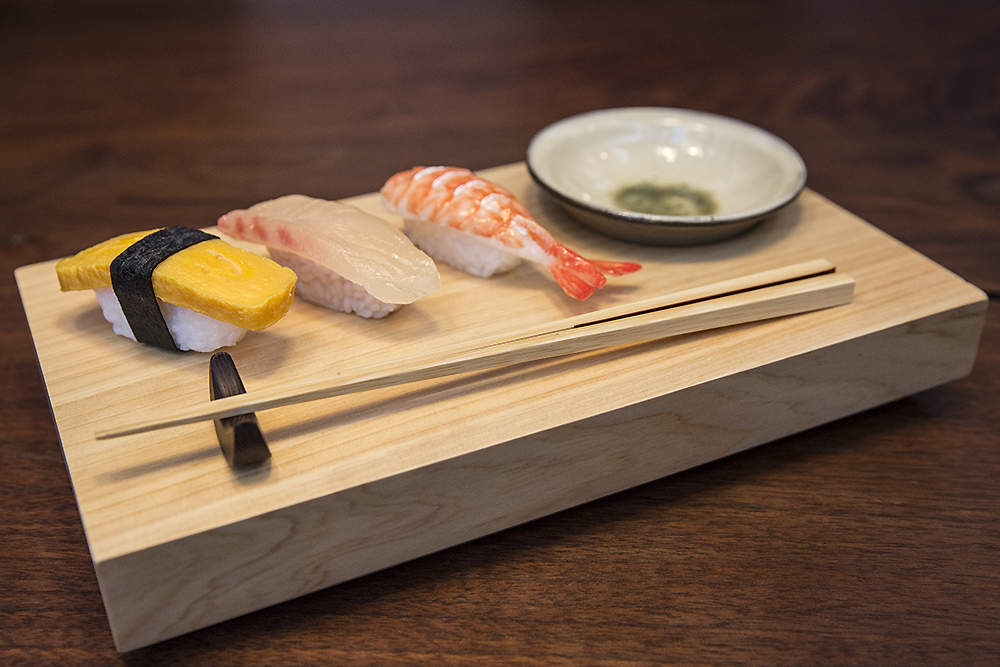
Hinoki dining table plate: 3,600 yen (not included)
A dining plate made of a single piece of Oita cypress with a set of small plates made of Oshikada-yaki porcelain. The bottom part is notched for easy carrying! Putting sushi from the deli on it as a display makes you feel like a sushi chef at home.
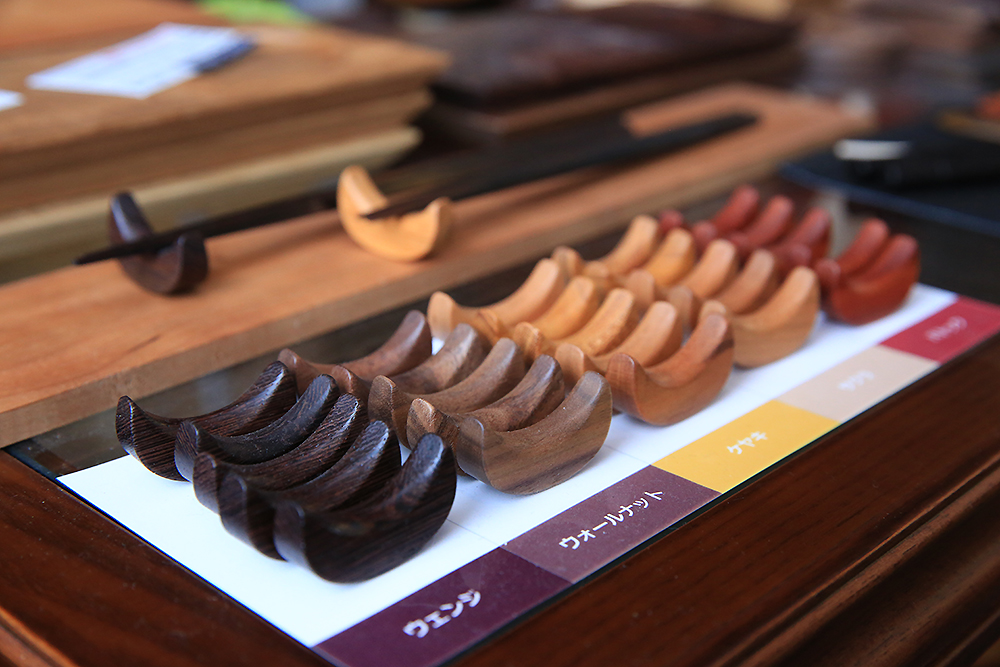
▲Chopsticks and Moon 600 yen (not included)
A chopstick rest in the shape of the moon that makes use of the natural color of the wood. The moon shape is cute as it shakes when you put chopsticks on it.
Cedar ball pendant light
This pendant light is made of Hita cedar and has a spherical shape. The brightness can be adjusted by the width of the gap! The grain of the wood is transparent by the light and the light that spills out will create a gentle space.
L: 16,800 yen (extra) M: 12,000 yen (extra) S: 10,000 yen (extra)
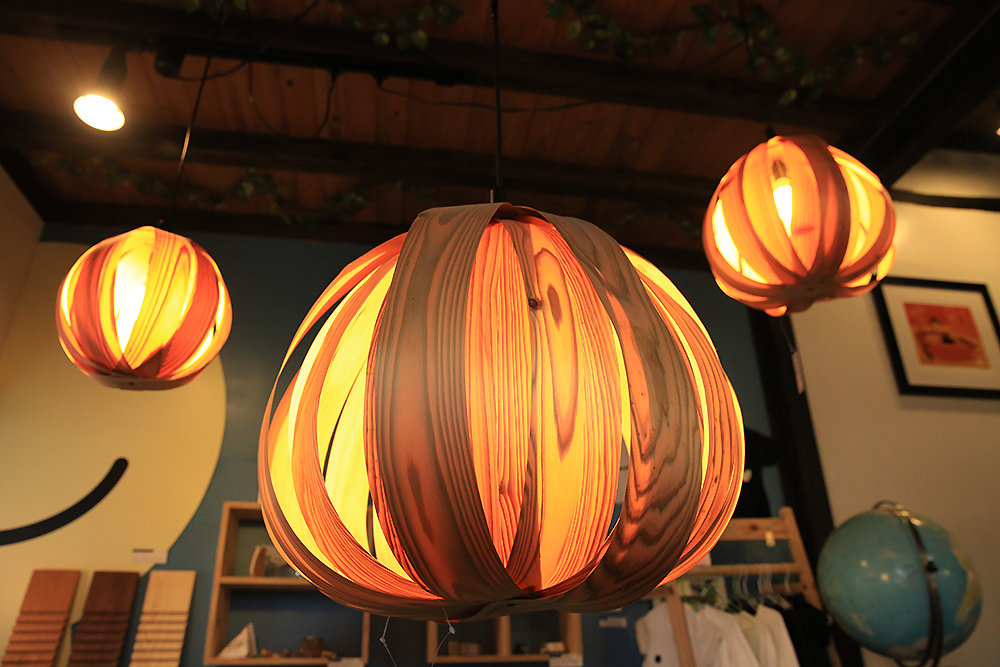
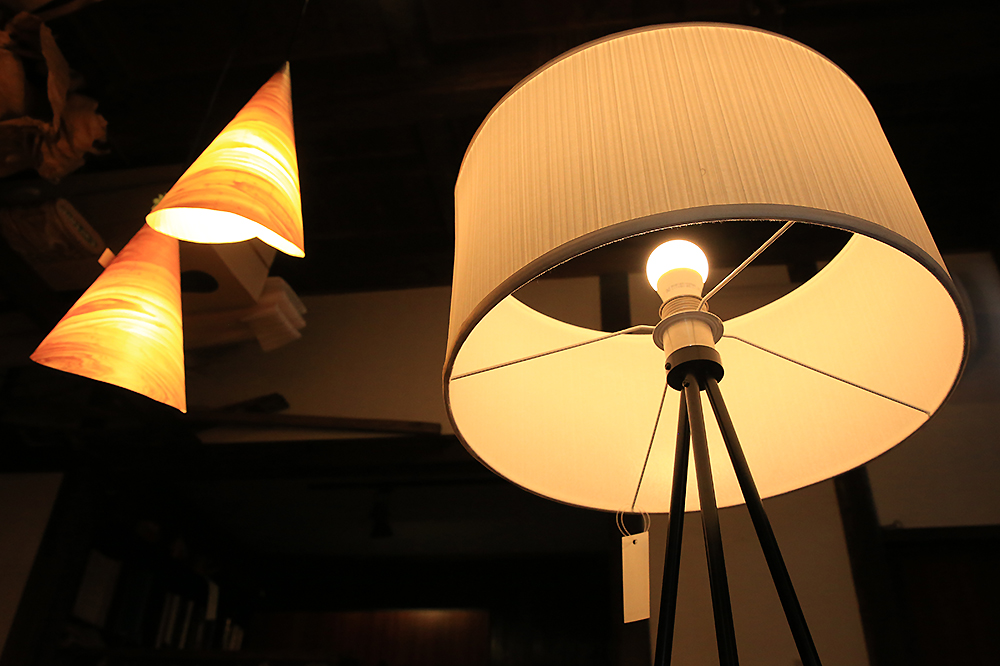
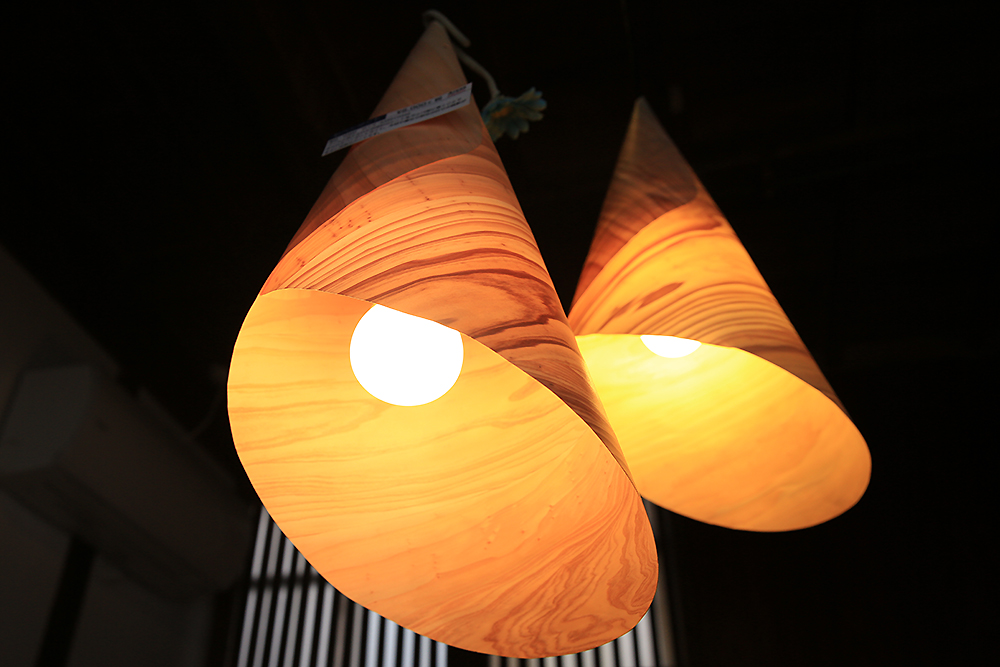
▲Sugi pendant 8,000 yen (extra)
A pendant light with film-coated "cedar sheet" wrapped around it in a trumpet shape. The art of interweaving natural wood grain and light is fantastic.
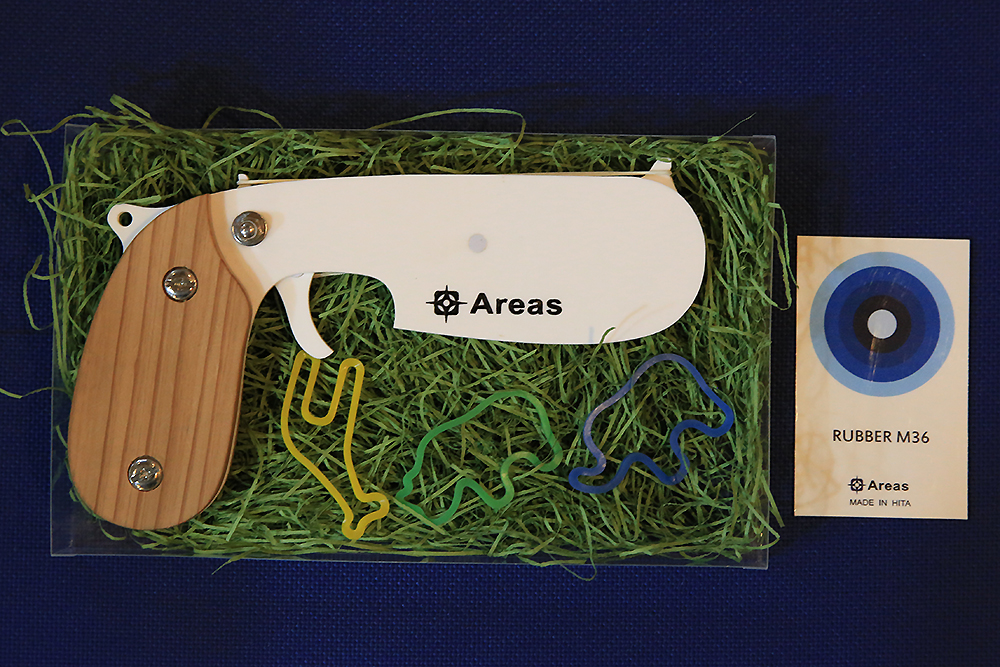
▲RUBBER M36 2,700 yen (not included)
This is a rubber gun made of Hidasugi cedar! The case can be used as a target, and the Hidasugi grip is removable for your own customization! This model will not be produced, so there are only a few left of this valuable item!
Interview with Masahiko Senzaki, Owner
The craftsmanship (monozukuri) that supports Hita's traditions and culture, which was created to coexist with nature, should not become a thing of the past, and developing and disseminating excellent works will contribute to the local community by protecting the mountains and resources. Through these activities, we would like to protect traditional culture and further "evolve the culture" to meet modern styles.
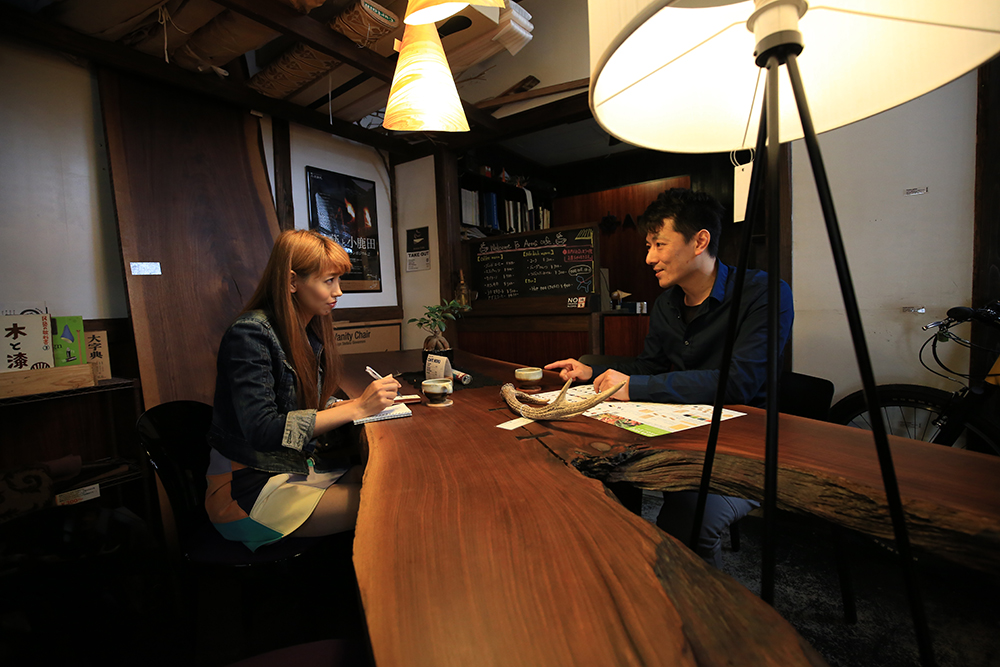
Masahiko Senzaki is the owner. Originally from Kitakyushu City, he moved to Hita about 16 years ago.
Q: When did you open your restaurant?
It's 2009; six years have passed."
Q: Why did you move to Hita?
I was fascinated by furniture when I was studying product design at university, and my pursuit of the roots of furniture making led me to 'Hita. I then found a job at one of the major Hita furniture manufacturers, where I was in charge of development planning and design. During that time, I met craftsmen who pursued "craftsmanship" in furniture, lacquer, pottery, etc., utilizing the wisdom of the ancestors who lived with nature in Hita. Every time I came into contact with these craftsmen's skills, I realized that I wanted to work not only in furniture making as I envisioned, but also in activities that would make the most of their craftsmanship, so I decided to set up my own business in Hita.
Q: What made you decide to open a store?
Hita has such a diverse range of craftsmen that you could build a house in Hita 100%. They maintain uncompromising old-fashioned traditions and produce high quality products that cannot be found in other areas. One of the first things we wanted was to have a place where we could disseminate our excellent craftsmanship. And then I wanted a ”business” opportunity where I could start a project to develop new products and sell them, and pay the makers a fair price for their work.” I thought that unless the region became a business field, we would not be able to protect this wonderful traditional culture.”
Q: What were the first products you put together?
I selected Hita crafts such as geta (wooden clogs) and ogada-yaki pottery, as well as furniture that I work on, using my own sensibilities, and requested designs for them. Later, I developed relationships with craftspeople from various genres of Hita crafts, such as lacquer craftsmen, pottery craftsmen, and sewing craftsmen, and planned and commercialized original items."
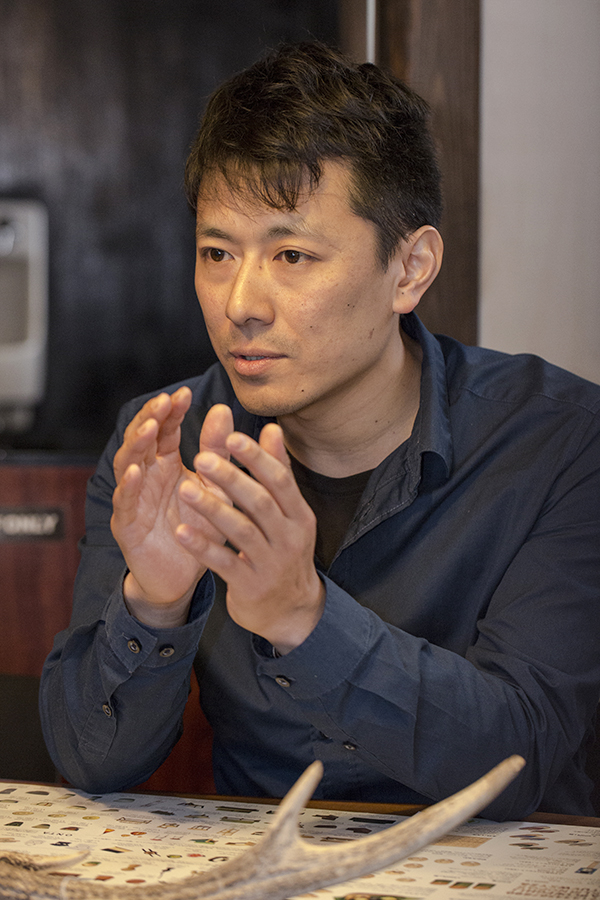 Q: How did you meet the craftsmen?
I am always on the lookout for new ideas for ”monozukuri,” so when I find something that catches my attention or sparks an idea, I naturally connect with the person I am talking to. I am introduced to people, and from that person, it spreads to the next one. ......
Q: How are ideas born?。
Cooking is a lot like making things. I select from many ingredients and seasonings to create the dishes I envision! However, even if we talk about ”ideas” in a few words, the ingredients are the brain stock of various events that you have experienced since your birth, so if you have little experience, you will only be able to create the same kind of dishes, right? I think it is important to have a wealth of experience and a broad perspective. Furthermore, if a chef's senses and skills are dulled, this will also hinder the creation of good food. That is why I always make something with a knife and a twig in my hand to prevent my senses from dulling. Sometimes it's simply because I'm inspired to create (laughs).” If those who are involved in ”making things” and those who are about to get involved in ”making things" do not enrich their senses by seeing, hearing, and touching various things on a regular basis, they will not have a stock of materials in their brains and will not be able to freely move them in and out of their brains. If that is the case, I don't think they will be able to come up with good ideas or create good things.
Q: Do you have a theme or concept for commercialization?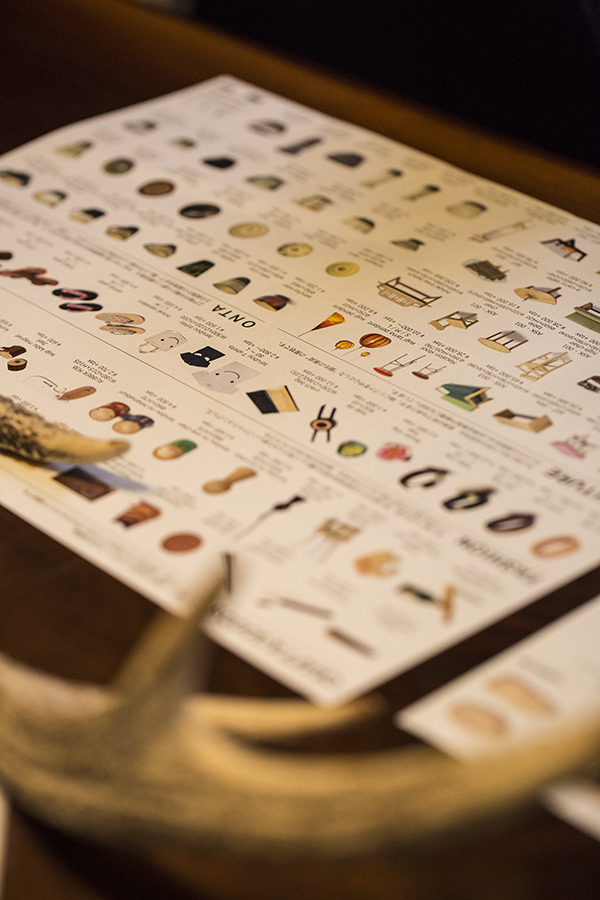
No matter how great the materials used and the technology used to complete a product, if the product is too sophisticated, impractical, or expensive, people will not reach for it, and the result will be nothing more than self-satisfaction. I believe that my role is to take a neutral stance, bridging the gap between the superior technology and the customer's needs, and bringing it to fruition.
Q: Do you sometimes make products based on ideas from customers?
Of course. What I really like about running the store is the conversations I have with customers! I once met an interesting elementary school student who said, 'I like mazes so much that I draw them myself,' and he showed me his work. I was reminded of how I used to draw mazes on the edge of the blackboard titled "Today's Maze" when I was a student, and the conversation got really lively (laughs). (Laughs) That conversation led to the creation of the "Maze Coaster," a wooden coaster with a maze carved into it. It's a good way to pass the time while waiting for your coffee, don't you think?
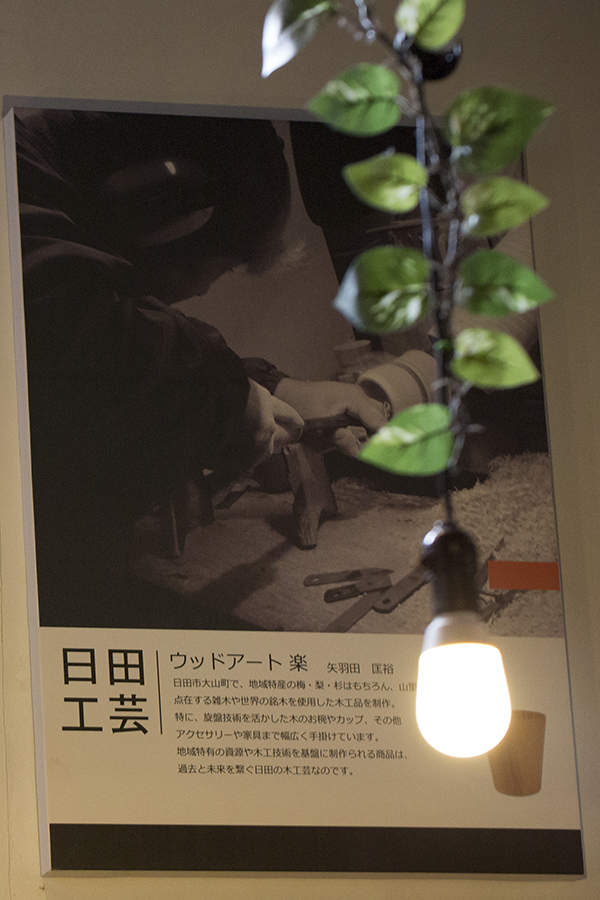
Q: What are your current activities?
Hita is a cedar production area, so we launched the "HITA SUGI Project" about two years ago with the aim of utilizing and protecting the cedar trees. We have developed "cedar sheets" made of film-coated cedar and "wood cloth" made by laminating cedar with cloth, and we make furniture and sundries using these sheets and cloth. From the sales of these products, we subsidize groups engaged in tree-planting and forest protection activities. By making products from cedar, we are protecting nature, protecting people who work in the mountains, and solidifying the loop that preserves tradition and culture.
Q: What are your future goals?
I would like to hold workshops and classes where children, who have the kind of ”spirit of craftsmanship” I mentioned earlier, can come into contact with natural wood and tools. They will be able to use all five senses to feel the imagination of the process of making something, the fun of giving it shape, the warmth of the wood, and the importance of the tools. When these children become adults, I am sure they will be involved in manufacturing. At that time, I believe that the traditions and culture of the present will be fused with the forms of the times, evolve, and be handed down to future generations. I believe that such efforts to connect the future will become future business, and the result of such efforts will be ”contribution to the community,” so I would like to engage in activities that can create a good cycle.
Thank you for your time!
Access Center of Mameda Town, Hita City
Life design shop Areas
Address: 7-20 Mameda-cho, Hita City, Oita Prefecture
Phone: 050-1048-7757
URL:http://www.hi-count.net/
Getting to the store
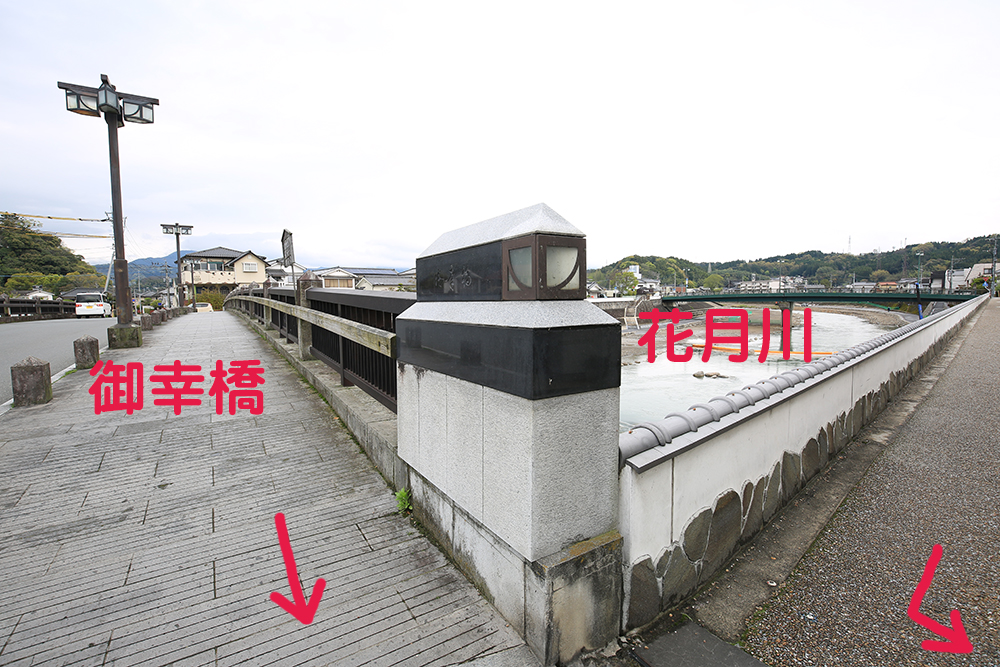
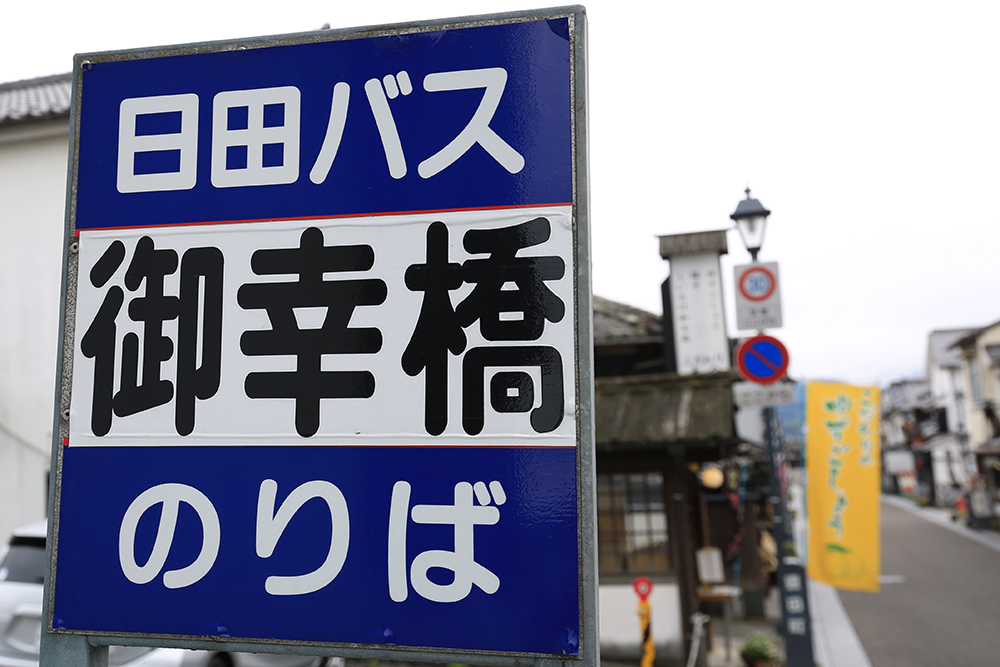
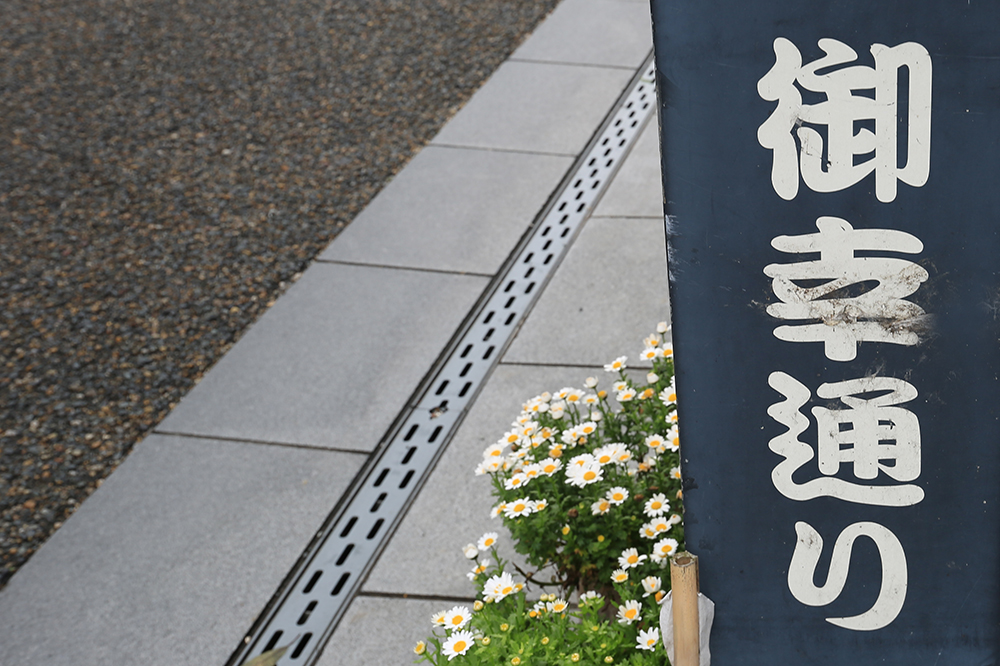
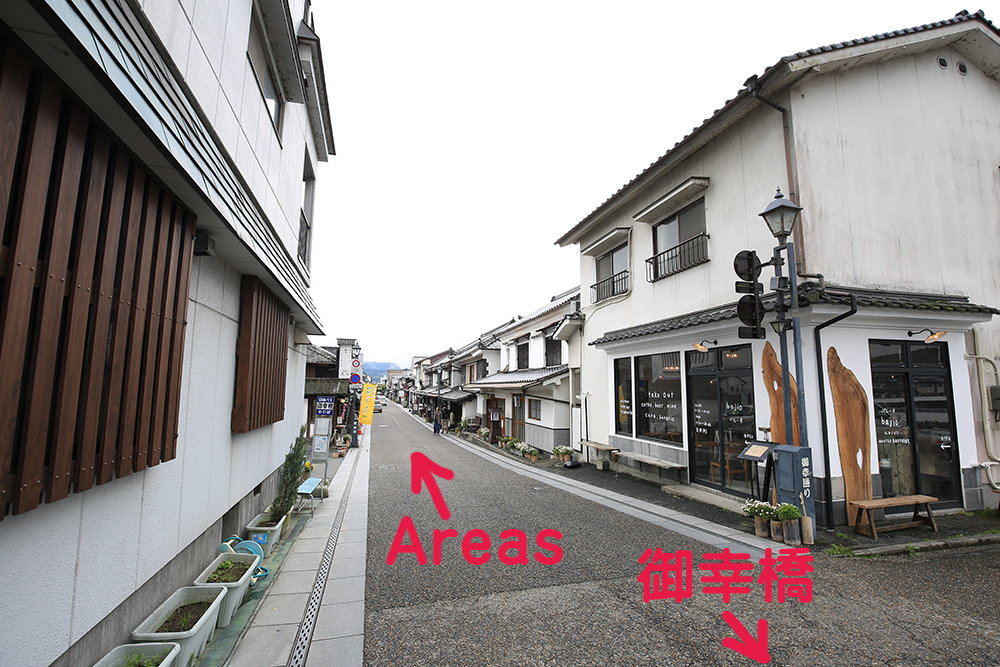
Turn onto Route 212 toward Mameda-cho and go straight to the main street, "Kamimachi-dori," but it will be easier to understand if you follow the western side of the street, along the axis of "Miyuki-bashi Bridge.
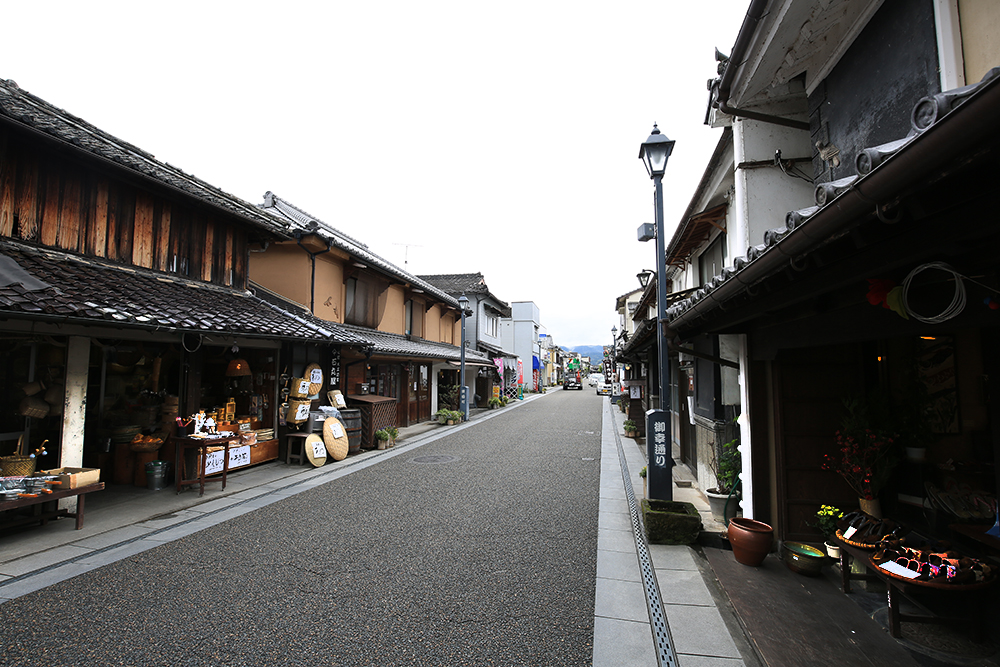
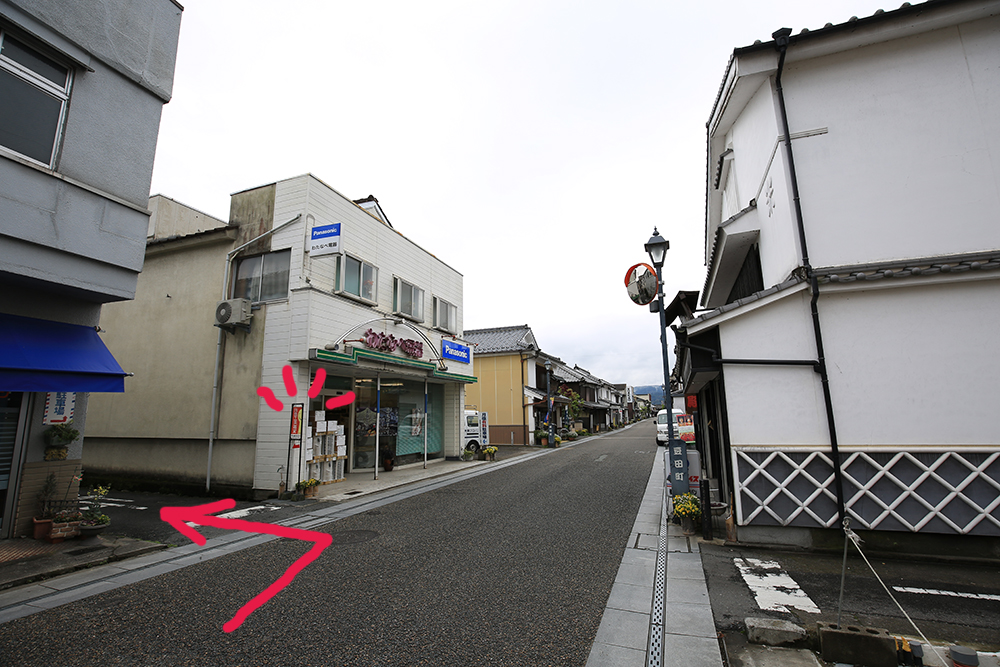 Cross the ▲Gokobashi Bridge toward the center of Mameda Town, continue straight, turn left at the first block, go a few meters and you will see the sign on your right.
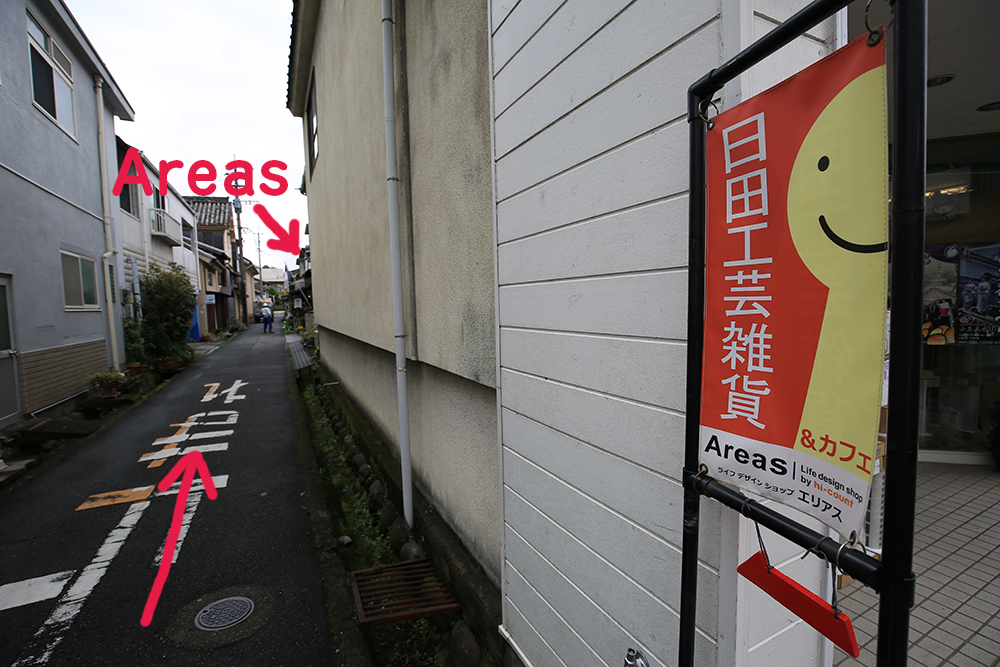
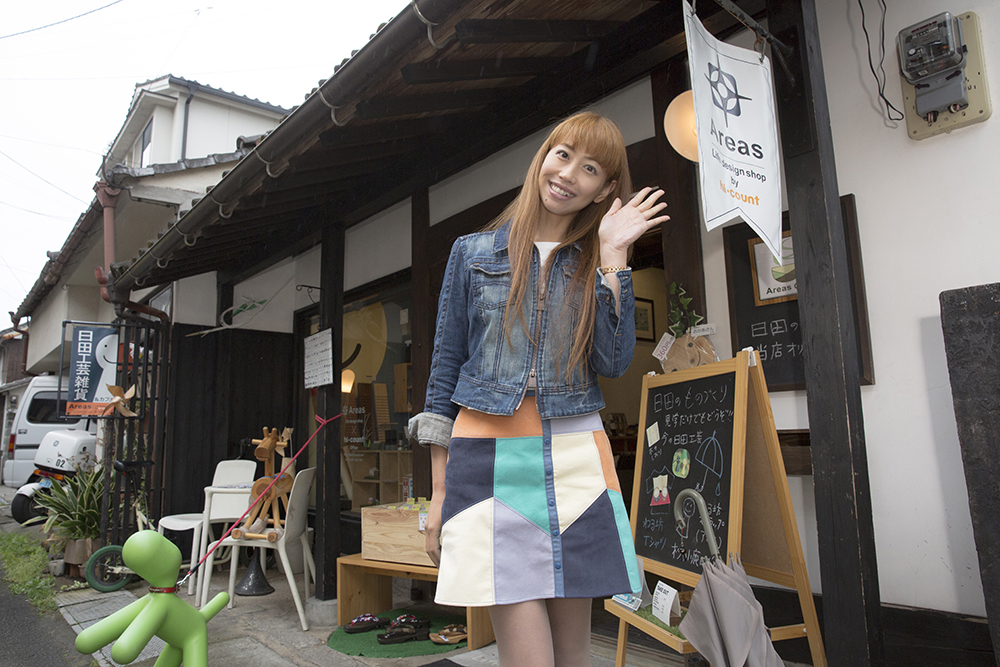
The white mountain-cut flag with the Areas logo on it is a landmark.
MAP
7-20 Mameda-cho, Hita-shi, Oita 877-0005, Japan
Interview and editorial staff
Model Report: Nozomi Nakamoto
Photography and production: VOKE Ltd.